
Slay the Spire 2 didn’t suddenly become a bad game this week. What cratered was not the quality of the runs, but the patience of a very online playerbase smashing into the blunt instrument that is Steam’s review system.
Table of Contents (9)
Key Takeaways
- Over 4,800 negative Steam reviews hit Slay the Spire 2 in roughly a day after balance patch 0.103.2, sending its recent rating back down toward “Mixed”.
- The patch’s most controversial nerfs primarily affected players who had opted into the beta branch, yet they used the main store page reviews to protest.
- This is the second review-bombing flare-up in under two months, with a large share of the latest negatives coming from Chinese-language accounts.
- The incident exposes a deeper problem: Early Access balance work and Steam’s binary review system are structurally at odds, especially for live, meta-heavy games.
This wasn’t a “the game is broken” moment – it was a “don’t nerf my deck” revolt
Patch 0.103.2 for Slay the Spire 2 rolled out with three core ingredients: updated art, UX/UI tweaks, and sweeping balance changes that had been cooking on the beta branch. The flashpoint wasn’t the new visuals or menus. It was nerfs.
According to coverage from IGN and 3DJuegos, the patch dropped on April 16 and was followed by at least 4,800 negative reviews in about a day, yanking the game’s recent rating down to “Mixed”. This is on a title that launched into Early Access on March 5 with “Very Positive” reception and strong sales.
Here’s the important bit that gets buried under the word “review bombing”: many of the changes that caused the outrage were being tested primarily on the beta branch. In other words, a subset of more invested players deliberately opted into experimental builds, didn’t like the direction of the nerfs, and then downvoted the entire game on the main public storefront – even though the standard live version hadn’t yet been impacted in the same way.
Mega Crit’s social response acknowledged the hostility without pretending it was anything else. The studio jokingly told players to “lower your Shivs” while promising follow-up adjustments. That line isn’t random; Shiv-based builds and other high-velocity, high-power archetypes are exactly the kind of thing balance passes tend to sand down first, and the kind of thing players cling to hardest.
So no, this isn’t a case of a beloved game suddenly shipping unplayable code. It’s the classic live-service card game problem: the moment you touch people’s favorite broken toys, the volume goes up to eleven.
Steam reviews have quietly turned into weaponized patch notes
What’s happening to Slay the Spire 2 is less about this one patch and more about what Steam reviews have become in 2026.
In theory, the review score tells you whether the game is worth your money. In practice, it’s become a running commentary on everything: political controversies, regional pricing disputes, server outages, anti-cheat decisions – and, increasingly, individual balance patches.
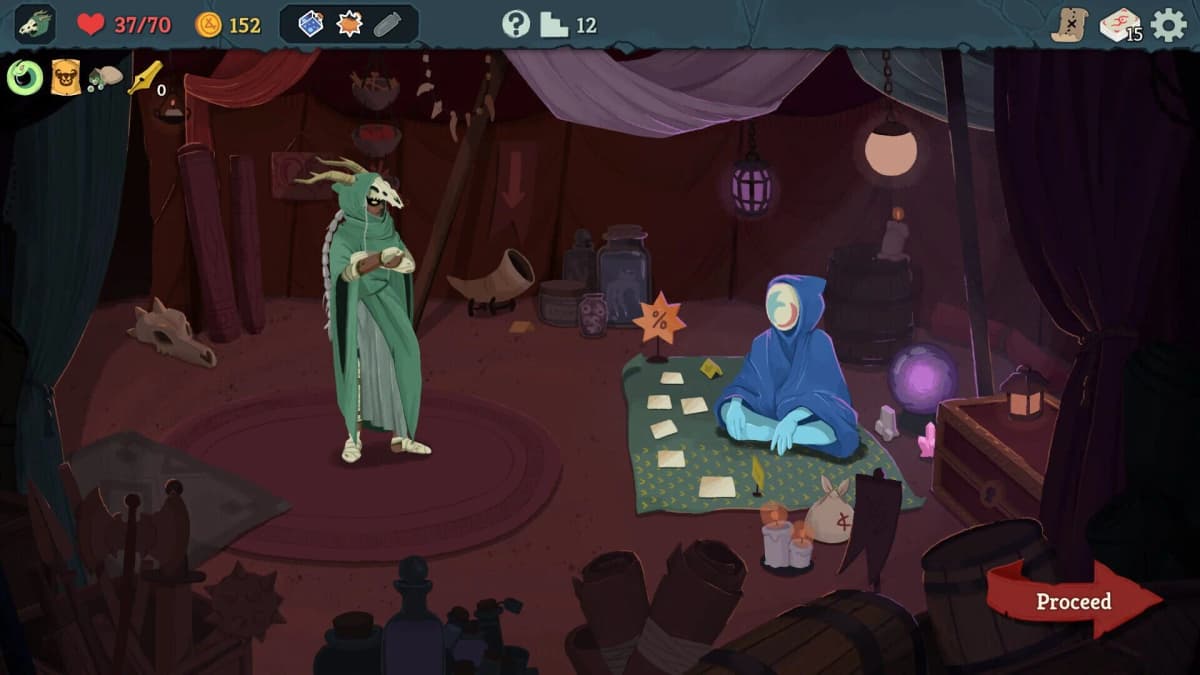
Card games and roguelike deckbuilders are especially prone to this. They’re meta-driven by design. Your enjoyment is tied to a handful of busted interactions you discover and refine. When a patch hits, it doesn’t just tweak numbers; it kills identities. The Ironclad build you’ve been refining for 40 hours? Gone. That Shiv storm you were using to speedrun ascensions? Now a drizzle.
From the player’s point of view, a thumbs-down review becomes leverage. Steam doesn’t give you a “please revert the Silent’s kit” button, but it does give you a way to tank the “Recent” score and scare off new buyers. Enough people do it at once and it becomes a story, not just feedback. The IGN and 3DJuegos pieces you’re seeing are proof that tactic works.
The uncomfortable part for developers is that the scoreboard doesn’t distinguish between “this build is literally crashing on launch” and “my favorite relic got nerfed by 20%”. They both show up as the same red thumbs-down and feed the same “Mixed” label.
Early Access was sold as “work in progress” – players treat it like a live service
Mega Crit hasn’t exactly been quiet about the game’s status. As Rock Paper Shotgun pointed out, the studio has repeatedly reminded players that Slay the Spire 2 is Early Access. Patch 0.103.2 is the latest step in a month-long process of “haggling with players” via a test branch, pushing out big reworks to core characters like Ironclad and Silent, adding new relics, art, scoring systems, and more.
That’s textbook responsible Early Access: iterate fast, test on an opt-in beta, move changes to main when they feel ready. The problem is that the market no longer treats Early Access as a disclaimer. It treats it as a marketing phase.
Slay the Spire 2 launched on March 5 and very quickly became “one of the best-selling games on Steam in 2026,” as Spanish outlet 3DJuegos notes. That’s not a tiny test audience willing to accept broken builds. That’s a mass-market card game sequel with millions on the line, existing alongside Twitch metas, tier lists, and theorycrafting spreadsheets.

So you get the worst of both worlds: a developer trying to use Early Access as a sandbox for bold reworks, and a community behaving like this is a fully launched live-service title where every nerf is a betrayal. Every big patch since launch – including an earlier one in March that triggered a similar review-bombing wave – turns into a referendum on the game itself, instead of on the specific build.
It’s worth noting that while reviews tanked, player engagement didn’t. IGN points out that peak concurrent counts stayed high through the drama. People are still playing; they’re just slamming the thumbs-down while they do it. That’s less “I regret buying this” and more “I want to win this argument.”
The regional spike: when one market can drag the whole score
3DJuegos highlights another detail that matters: a huge chunk of the new negative reviews came from Chinese users. That’s not unique to Slay the Spire 2; we’ve seen similar regional surges drive review drama for other games when a particular community feels ignored or targeted.
On Steam, there’s no per-region rating. A wave of frustrated players from one territory can hammer the global “Recent” score for everyone, regardless of whether the issue they’re angry about is universal. In this case, the complaints are still about balance – not geopolitical drama or censorship – but the mechanism is the same. A local flashpoint becomes a global signal.
This is the part where I’d be asking the PR team a specific question: if one region’s backlash can drag the game’s score globally in a single day, how are you prioritizing whose feedback shapes balance? Is it the loudest territory, the most engaged, or the one that matches your long-term design goals?
Developers are learning to patch for the meta and for the Steam page
There’s a playbook forming here, and Mega Crit is not the first or last studio to follow it. We just watched Crimson Desert climb from “Mixed” to “Mostly Positive” on Steam after a rapid-fire patch and a public mea culpa for missteps, as covered in other industry reporting. Fix friction fast, communicate clearly, and the score recovers.
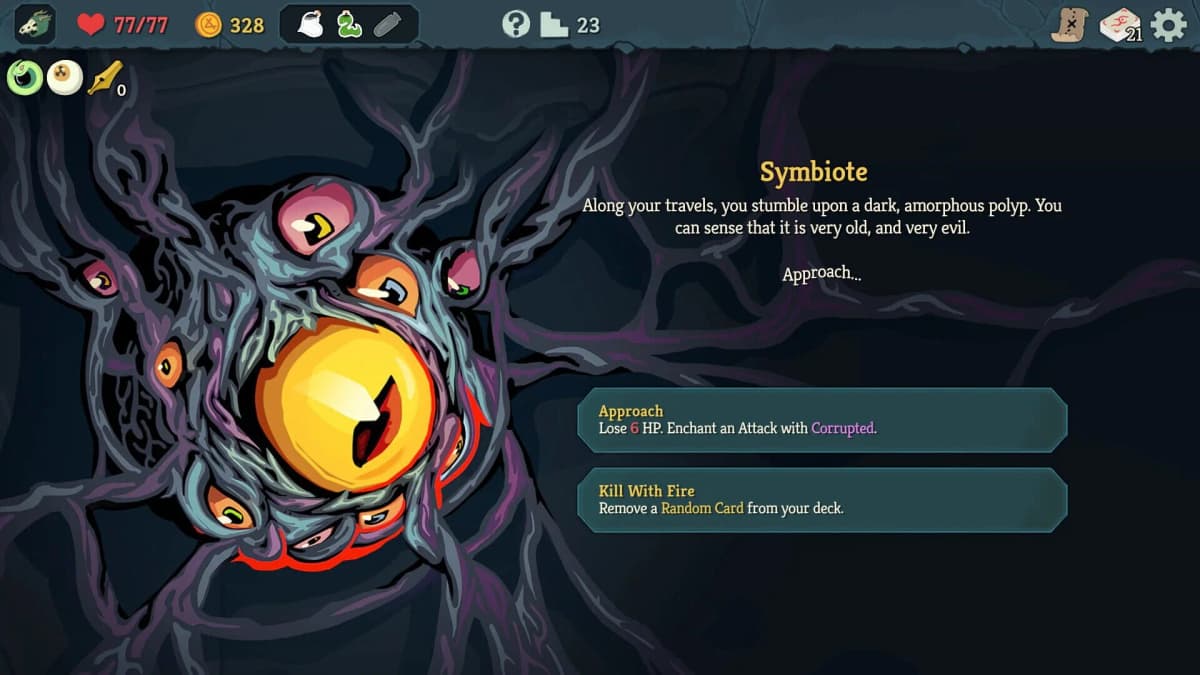
Slay the Spire 2 is in a slightly different bind because its “bug” isn’t broken controls or missing features. It’s a chunk of the audience being mad that the game is getting harder, weirder, or less degenerate in ways the designers want. You can’t just “fix” that without undermining the whole point of Early Access balancing.
This is where Mega Crit’s track record matters. The original Slay the Spire was one of the cleanest examples of slow, considered balance tuning in the genre. Numbers were nudged, archetypes were sharpened, but the game rarely felt like it was lurching from one busted meta to another. The sequel’s Early Access run so far has been much more aggressive: full character reworks, system changes, new scoring, and frequent beta-driven patches.
The studio can either pull back and smooth the ride – fewer dramatic nerfs, more incremental tweaks – or keep pushing and accept that every big shift will come with a fresh “Mixed” badge and a day of headlines. Neither option is free.
What this actually means for players looking at the Steam page
If you’re trying to figure out whether Slay the Spire 2 is “worth it” based on that yellow “Mixed” label, here’s the honest read:
- The flood of negative reviews is real and large, but it’s tied closely to balance anger around patch 0.103.2, not to the game suddenly breaking.
- The most aggrieved players are the ones deep enough to opt into betas and care about specific nerfed archetypes – i.e. the invested core, not drive-by newbies.
- Player counts staying high during the backlash strongly suggest people are still hooked; they just hate the direction of certain numbers.
- Because this is Early Access, balance will keep shifting. If you buy in now, you’re signing up for that ride, not a frozen meta.
The more important question isn’t “is the Recent score green or yellow today?” It’s “do you trust Mega Crit’s long-term sense of what a good, fair, and interesting run looks like more than you fear losing your favorite busted combo?”
What to watch next
- The next balance patch notes: When Mega Crit follows up on its “lower your Shivs” comment, look at whether they’re fully backpedaling on nerfs or just smoothing edges. That will tell you how much review pressure is steering design.
- Review score recovery over the next 2–4 weeks: If the Recent rating climbs back to “Mostly Positive” without a complete design U-turn, it means the outrage is more of a flash flood than a climate shift.
- How they message future beta changes: Clearer separation between “beta experiments” and “live direction” – possibly even beta-only feedback channels – could reduce the incentive to use the main review page as a protest wall.
- Launch 1.0 positioning: When Mega Crit starts talking about 1.0, watch whether they promise “stable metas” or double down on continued shakeups. That will signal what kind of live game Slay the Spire 2 wants to be.
TL;DR
Slay the Spire 2’s Early Access patch 0.103.2, packed with balance changes tested on a beta branch, triggered a second major review-bombing wave and dragged its recent Steam rating back toward “Mixed”. The backlash is driven far more by anger over nerfed builds – especially among highly engaged players, including many from China – than by any collapse in basic game quality. The real test now is whether Mega Crit can keep iterating aggressively on balance without letting Steam’s weaponized review scores dictate what Slay the Spire 2 is allowed to be.
FinalBoss // Gear
Level up your setup
01Graphics cardson Amazon→02Gaming laptopson Amazon→03High-refresh gaming monitorson Amazon→04Discounted game keyson Kinguin→Affiliate links · As an Amazon Associate, FinalBoss earns from qualifying purchases.
Want to Level Up Your Gaming?
Get access to exclusive strategies, hidden tips, and pro-level insights that we don't share publicly.
Ultimate Gaming Strategy Guide + Weekly Pro Tips