
Slay the Spire 2 patch 0.104.0 matters because Mega Crit is doing the thing more Early Access games should do and fewer actually manage: admitting the baseline was overtuned without flattening the whole game into mush. This update makes lower Ascensions more forgiving, reworks some cards and relics that were flirting with “why would I ever take this,” and takes another pass at Doormaker without pretending the Act 3 boss problem can be solved by one lazy nerf.
The short version is simple. If you bounced off the beta because Ascension 0 felt like the game was already testing for a doctoral thesis in pain tolerance, this patch is aimed at you. If you were worried Mega Crit would respond by sanding off all the sharp edges, that does not seem to be the plan. The important distinction here is that patch 0.104.0 is not a global difficulty rollback. It is targeted tuning.
Table of Contents (5)
This is a philosophy patch more than a numbers patch
Mega Crit’s stated goal is to make lower Ascensions more accessible while preserving the intended challenge at higher ones, and the details back that up. Several enemies saw asymmetric health changes depending on Ascension level. Scrolls of Biting, Owl Magistrate, and Slimed Berserker all got less HP on the low end and more HP on the high end. That is the real headline. The studio is widening the gap between entry-level runs and expert-level runs instead of pretending one tuning pass can satisfy both audiences.
That sounds obvious, but a lot of developers still miss it. They hear “too hard” and either ignore the complaint or hit everything with a universal nerf bat. Mega Crit is doing something smarter: making Ascension actually mean something. In the original Slay the Spire, the climb from baseline to brutal worked because the game taught you the rules before it started actively trying to ruin your week. If the sequel’s floor feels too close to its ceiling, the learning curve stops being motivating and starts being annoying.
The Axebots rework fits that same logic. The encounter has been redesigned from multiple enemies into a single stronger Axebot. That is not just balance housekeeping. It is readability. One of the fastest ways to make a deckbuilder feel unfair is to overload players with noisy board states before they have enough tools to parse what matters. Simplifying the encounter while keeping it threatening is a clean fix.
The card changes are Mega Crit admitting some picks were trap options
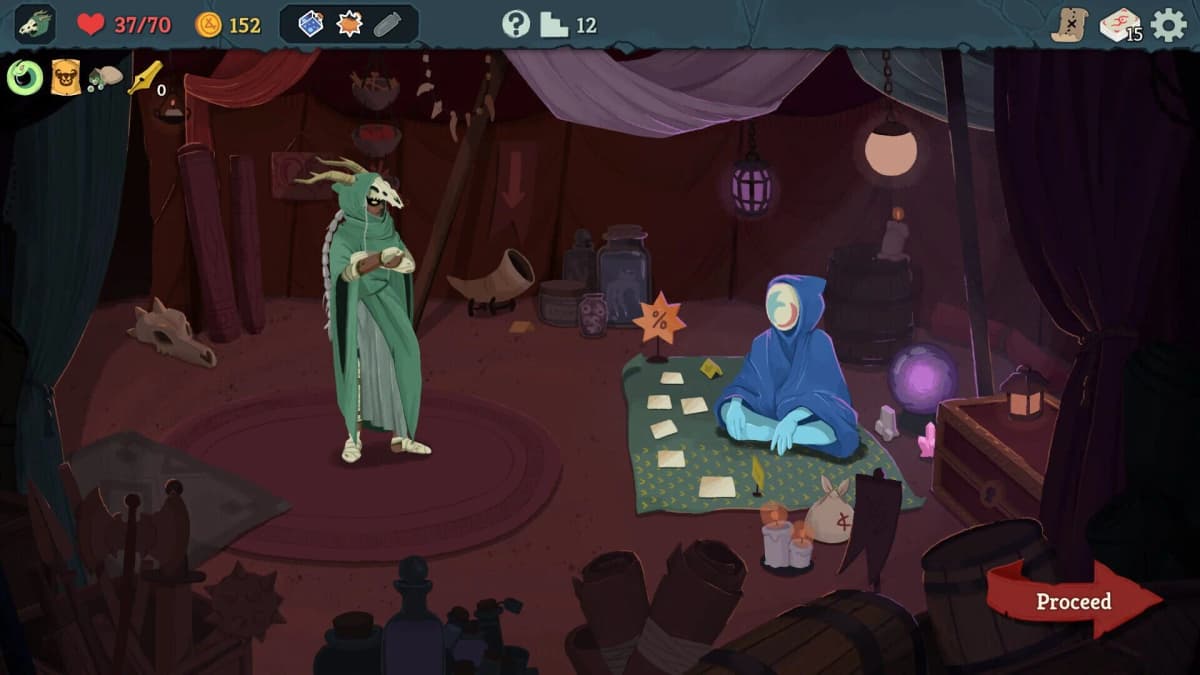
Patch 0.104.0 also reworks several underperforming cards, including notable Ironclad changes to Conflagration and Drum of Battle, alongside adjustments to some Regent cards. That is the kind of patch note casual readers skim past and experienced players immediately clock as more important than a dozen tiny stat tweaks.
Why? Because bad cards in a roguelike do not just lower power. They poison decision-making. A card can be “interesting” on paper and still be dead weight in the actual economy of fights, upgrades, relic synergies, and pathing. If a card repeatedly shows up as a fake choice, players stop experimenting and start drafting around a known safe subset. That is when a deckbuilder starts shrinking.
Reworking weaker relics like Neow’s Fury and Tezcatara matters for the same reason. Relics are supposed to bend runs. If they are too narrow or too low-impact, they become inventory clutter with lore flavor. Nice art. Shame about the gameplay. Mega Crit appears to be using this patch to raise the floor on run-defining tools, which should create more viable lines instead of funneling players toward the same few reliable archetypes.

Doormaker is still the real stress test
The Doormaker tweaks are important, but what matters more is the way Mega Crit is talking about them. The studio has acknowledged the feedback and is monitoring metrics rather than rushing into a theatrical redesign. That is the uncomfortable part PR usually tries to glide past: boss frustration is not always solved by making the numbers smaller. Sometimes the issue is pacing, clarity, or the feeling that the fight invalidates too many run styles at once.
That is the question I would put directly to the devs: is Doormaker too strong, or is Doormaker too restrictive? Those are not the same problem. A hard boss can be healthy. A boss that tells too many decks “congrats on reaching Act 3, now perish because you drafted the wrong kind of fun” is different.
The good sign is that Mega Crit has not treated Doormaker like a sacred cow. The cautious sign is that it also has not fully committed to a bigger rethink yet. Fair enough. Deckbuilders live and die on encounter texture, and overcorrecting one boss can create a new balance mess somewhere else.
The smaller fixes tell you this is still a live construction site
Beyond balance, patch 0.104.0 includes UI and art fixes, controller navigation improvements, multiplayer badges, save and stability work, and the restoration of cards like Stratagem in multiplayer. None of that is glamorous, but it is the kind of maintenance that determines whether a beta feels rough in an acceptable way or rough in a “come back in six months” way.
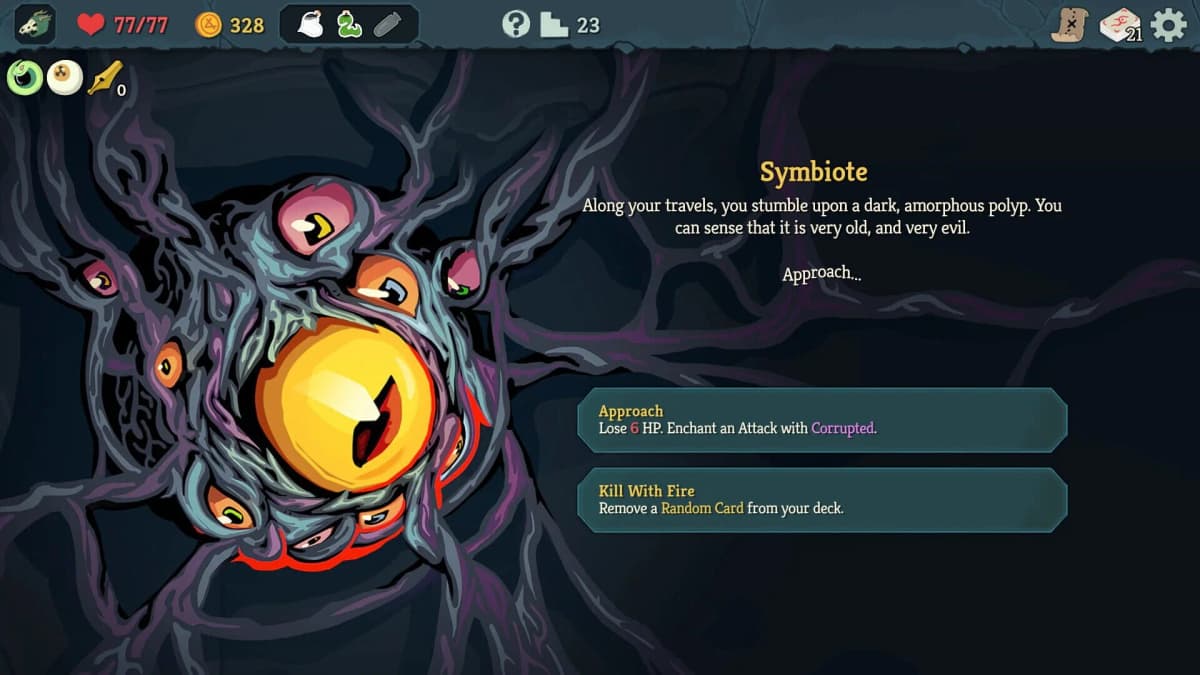
That last part matters because when players talk about difficulty, they are often bundling together multiple frustrations. A punishing fight feels worse when the interface is clunky. A boss feels more oppressive when visual communication is muddy. Balancing the numbers without cleaning up the presentation is how studios end up wondering why feedback stays sour.
What to watch next
The next signal is not whether players say the patch is “good.” It is whether lower-Ascension runs start producing more build variety and fewer complaints that the game is hostile before it becomes interesting. On the other end, high-Ascension players will tell Mega Crit pretty quickly if the added HP and encounter tuning actually preserve challenge or just create longer fights.
And then there is Doormaker. If community discussion shifts from “this boss is miserable” to arguing about specific deck matchups, that is progress. If the same complaints keep surfacing after the metrics pass, expect a more serious redesign. Patch 0.104.0 is a smart correction, not a final answer. The important part is that Mega Crit seems to know the difference.
FinalBoss // Gear
Level up your setup
01Top-rated gaming headsetson Amazon→02High-refresh gaming monitorson Amazon→03Gaming chairson Amazon→04Discounted game keyson Kinguin→
Affiliate links · As an Amazon Associate, FinalBoss earns from qualifying purchases.
Want to Level Up Your Gaming?
Get access to exclusive strategies, hidden tips, and pro-level insights that we don't share publicly.
Ultimate Gaming Strategy Guide + Weekly Pro Tips