
Sleep Awake: Spec Ops director’s psychedelic horror lands Dec 2, 2025 — here’s the real story
Game intel
Sleep Awake
First-person psychedelic horror set in the far future. In the last known city on Earth, people are disappearing in their sleep. Those who remain exist in a cri…
Psychedelic horror that punishes sleep? Sleep Awake grabbed me for all the right reasons
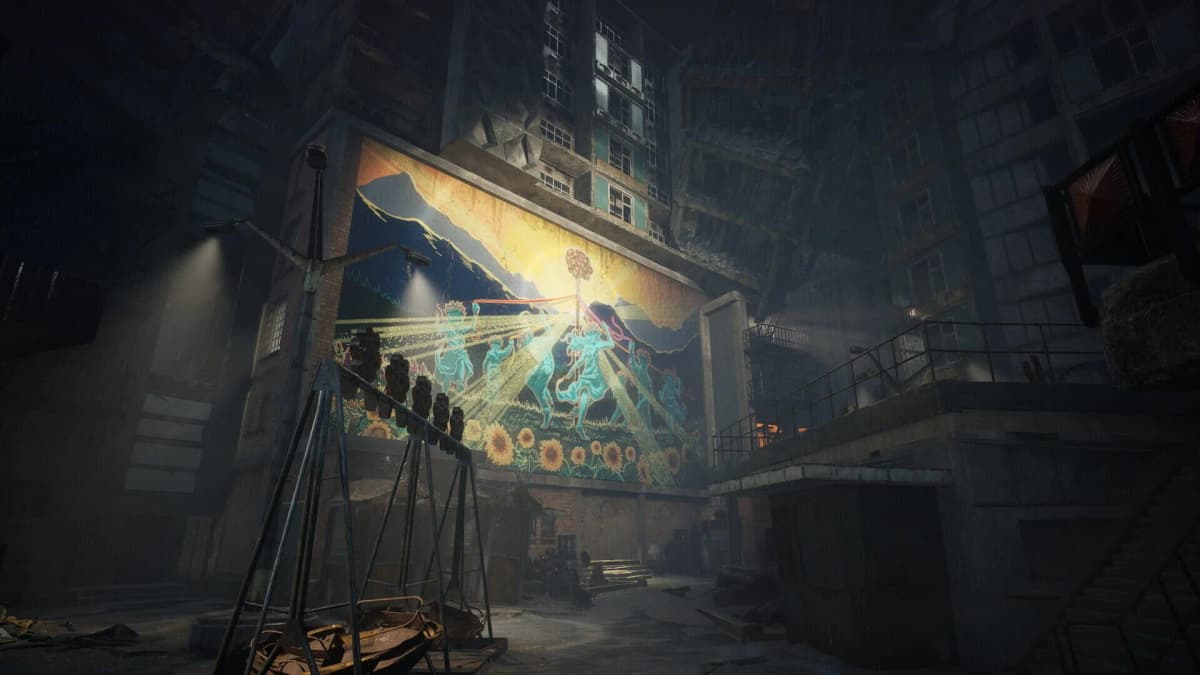
This one pinged my radar fast. A new first-person horror game from Cory Davis, the creative director behind Spec Ops: The Line, published by Blumhouse Games, with Nine Inch Nails’ Robin Finck on audio? That’s a potent mix. Sleep Awake launches December 2, 2025 on PS5, Xbox Series X|S, and PC, and there’s a PC demo right now. The hook: a city where falling asleep makes you vanish into a phenomenon called “The HUSH,” and you play Katja, trying to stay awake long enough to survive cults, cosmic weirdness, and your own unraveling mind.
Key Takeaways
- Spec Ops pedigree suggests sharp narrative ambition, not just jump scares.
- Insomnia-as-resource could be a brilliant twist-or an annoying timer if mishandled.
- Blumhouse’s name brings clout, but the game still needs tight systems and fair stealth.
- PC demo is the proof point: watch AI behavior, pacing, and how “stay awake” actually feels moment to moment.
Breaking down the announcement
On paper, Sleep Awake is the kind of horror pitch that’s been missing lately. We’ve had plenty of grim corridors and VHS filters, but fewer games that commit to a singular systemic idea. Here, staying awake isn’t just flavor text-it’s the axis the experience spins on. You’re navigating the last city on Earth as cults exploit mass insomnia, otherworldly forces bleed in, and “The HUSH” swallows anyone who lets their guard down. The developers promise stealth, environmental puzzles, FMV sequences, and “dynamic” encounters that react to your choices.
My first question: how dynamic is “dynamic”? Horror games love that word, but it often translates to enemies getting aggro if you sprint too much. If Sleep Awake wants to land, its stealth has to be readable and fair-the Alien: Isolation comparison only works if the AI telegraphs tells, pathing feels organic, and failure doesn’t feel cheap. The demo should give us a hint: listen for audio cues, see how enemies investigate, and check whether you can recover from mistakes or if one slip means an instant reload.
Then there’s the insomnia mechanic. Best-case scenario, it’s a push-pull resource that ties into everything—vision warps, riskier routes open up, secrets surface when you’re on the edge, but you court disaster if you push too far. Worst-case, it becomes a stamina bar with extra steps, constantly nagging you to chug “wake juice” so you don’t trigger a fail state. The line between tension and tedium is razor thin; how frequently the game lets you stabilize, and what trade-offs you make to do it, will decide if the system sings or grates.
Industry context: Why this team matters
Spec Ops: The Line earned its reputation by weaponizing player expectations, dragging you through a familiar military shooter shell and then making you sit with your actions. Different genre, same brain: if Davis is bringing that energy to horror, Sleep Awake could be less about boo-scares and more about complicity—how far you’ll go to stay awake, who pays for your choices, what’s real when your brain is a traitor. That’s fertile ground for a first-person narrative game.
Blumhouse Games’ involvement is interesting, too. The brand understands pacing, sound, and dread from film—and horror games are finally catching up to that cinematic craft. The caution flag: “cinematic” can sometimes mean heavily scripted, narrow pathways. Horror fans don’t mind linear if agency lives inside the systems—look at the difference between a walking sim with creepy wallpaper and something like Outlast that weaponizes your toolkit. Eyes Out needs to make sure Katja has tools (even if it’s just light, noise, or routes) that let players problem-solve, not just spectate.
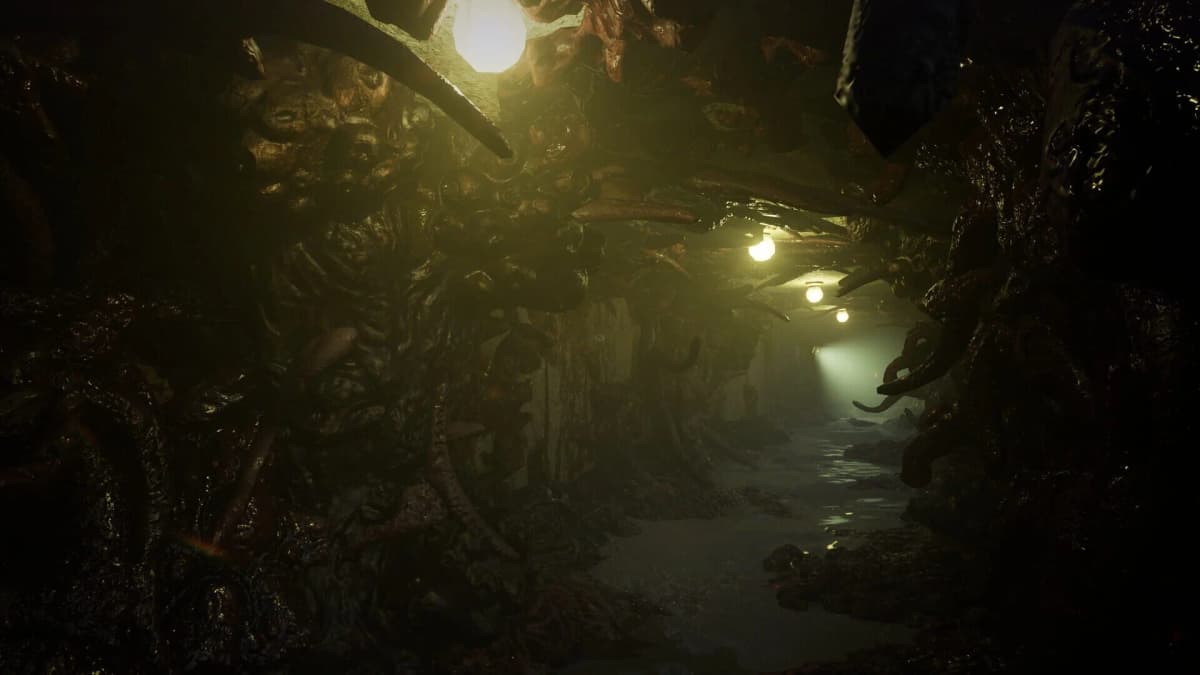
Robin Finck’s role on audio is a legitimate asset. Psychedelic horror lives or dies on sound staging—microdrones that itch the back of your skull, a bass throb that sells unease, spatialized cues that make stealth readable without popping UI. If the demo already gives you goosebumps with headphones on, that’s not just vibes; it’s gameplay clarity.
What to watch for in the demo
- Pacing and checkpoints: Horror needs breathers. If saves are stingy, insomnia risks turning into frustration.
- Insomnia feedback: Do you feel the edge creeping in through visuals and audio, or just via a HUD meter?
- AI readability: Clear tells beat omniscience. Are patrols learnable, or are you coin-flipping encounters?
- Interaction density: Environmental storytelling is great—do you actually learn useful things from exploring, or just collect notes for the lore goblin in your brain?
- PC options: FOV slider, motion blur toggle, and audio mix control. Psychedelic effects are cool until they trigger nausea; accessibility toggles matter.
Why this could hit—and where it could stumble
This could be a standout if Eyes Out ties the insomnia system to discovery and risk—making wakefulness a narrative and mechanical choice rather than a countdown. The FMV snippets are a swing I like, provided they’re context and texture, not interruptions every five minutes. Cross-platform at launch is a win, though current-gen only raises expectations for 60fps modes and clean input latency, especially for stealth.

The biggest risk is tone drift. Psychedelic visuals are awesome until they muddy reads in tense sequences. If the game leans too hard into distortion while asking you to sneak with precision, it’ll feel unfair. And while Blumhouse can market a scare, the substance has to come from systemic tension, not just filters and whispers.
TL;DR
Sleep Awake looks like smart horror from people who get it: a dangerous city, a nasty sleep mechanic, and audio that worms into your brain. The demo will tell us if the insomnia system is strategy or busywork—and whether the stealth is scary because it’s fair, not because it’s cheap.