
Table of Contents (18)
The Chaos of the Second Contract
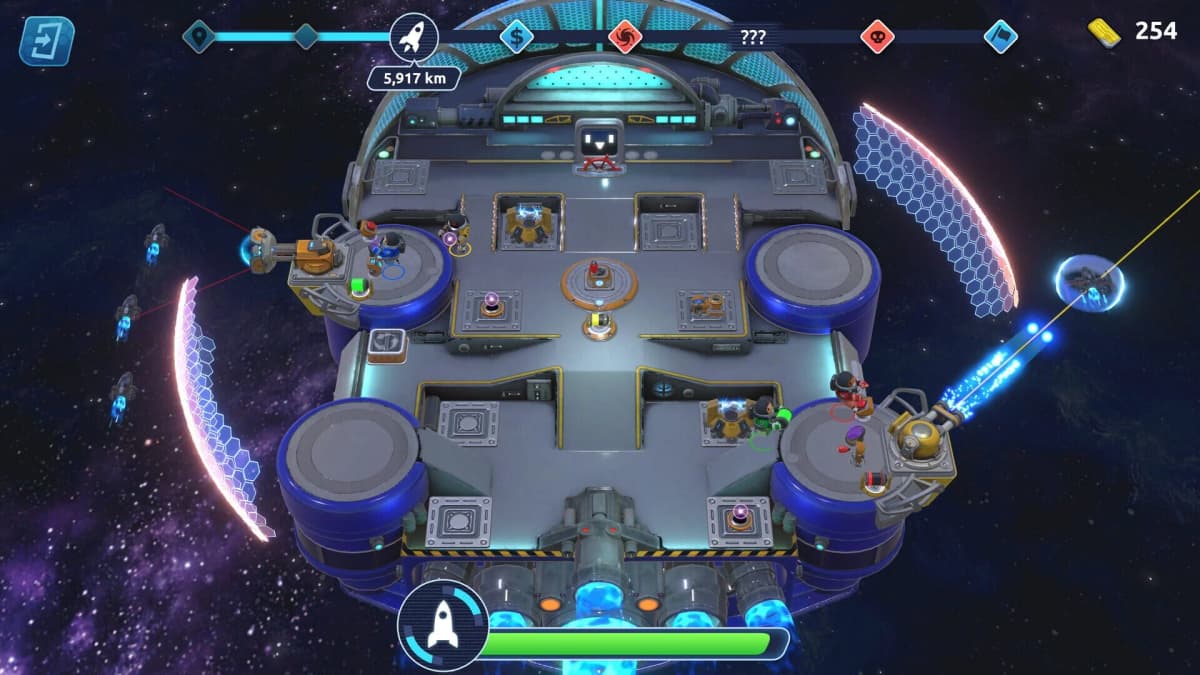
You are two jumps into the new contract and the ship is already screaming. Alarms blare from the lower deck where a fresh hull breach is venting oxygen into the void. The comms panel is flashing red because the client-a sentient houseplant with unreasonable delivery standards-wants an update right now. On the bridge viewport, a new enemy craft you have not seen in the starter mission is vectoring in from the starboard ridge, its weapons charging. One teammate is hammering the repair console, another is shouting that they need power rerouted to the forward shields, and a third is frantically reading the event prompt that just materialized on the center screen, trying to decide whether to bluff the incoming pirates or open fire and hope the turret charges in time. The fourth player, if you have a full squad, is probably standing in the doorway between compartments, paralyzed by the sheer number of blinking warning lights. If this sounds like too much happening at once, that is the point. That is exactly the kind of beautiful, coordinated panic the updated Sol Mates Steam Next Fest demo is engineered to produce. Daruma Games has pushed the build well past its original proof-of-concept, and this version finally lets you see what the game is actually aiming to become.
This is no longer a single starter contract with a predictable flow. The updated demo adds a second mission that immediately raises the stakes, drops in more playable characters whose kits force you to rethink station assignments, and layers in new enemies, random events, and shipboard hazards that can stack on top of each other in genuinely unfair ways. On top of that, the roguelike structure now branches narrative outcomes, meaning the choices you make between jumps determine not just your loot but the kind of opposition you will face two sectors later. If your crew approaches this like a linear arcade session, you will wash out fast. You need a roadmap.
What the Update Actually Adds
The original Sol Mates demo offered a single starter contract that served as a competent tutorial: learn the stations, figure out how to move the ship, put out a fire, and deliver a package. It was enough to prove the premise of a four-player co-op roguelike where you manage both ship combat and interpersonal shipboard crises. The updated build, that said, treats that first mission as the shallow end of the pool. The second mission introduces tighter timers, more aggressive enemy behavior, and environmental hazards that force you to choose between fixing the ship and completing the primary objective. The client pool has also expanded, which means the random encounter deck now includes requests that clash directly with your survival priorities.
Alongside the new mission, the roster of playable characters has grown. Each new arrival comes with distinct abilities that bias them toward specific stations or crisis types. You will also face enemy types that did not appear in the starter zone, including threats that demand coordinated turret fire or timed repair sequences rather than simple button mashing. The encounter pool is deeper, the event text is longer, and the branching choices between sectors give the demo a structure that feels closer to a full run in a systemic roguelike than a static festival teaser. If you played the earlier build, almost nothing you learned will be wasted, but everything you learned will need to go deeper.
Your Demo Roadmap: How to Structure a Session
Adopt a Roguelike Mindset First
Sol Mates is structured as a roguelike, which means death is expected and every failed run should teach you something. In the context of a limited-time Steam Next Fest demo, that philosophy matters even more. You do not have the luxury of a hundred hours to master every interaction. Instead, treat each session as an experiment. Run the starter contract once to warm up if your group is new, but your real goal should be reaching the second mission and observing what changes. Does the new mission spawn more frequent hull breaches? Do the new enemies appear in fixed waves or as randomized escalations? Are the branching narrative options between jumps locked behind specific crew compositions or resources? Go in expecting to lose the first time you see a new crisis, and use that loss to assign roles for the next attempt. The demo is short enough that a disciplined crew can see most of what it has to offer in two or three focused sessions, but only if you stop treating failure like a setback and start treating it like intel.
Build a Party That Covers the Chaos
With support for up to four players locally or online, Sol Mates scales its chaos to your headcount. A solo or duo run demands more multitasking, while a full four-player crew can specialize. The updated character abilities make specialization not just helpful but necessary. You want a helmsman focused on evasion and navigation, an engineer who lives at the repair panels, a combat operator managing turrets or repelling boarders, and a flexible fourth who can handle event choices, comms, and odd jobs. The exact names and portraits of the new characters are less important than the roles they fill. If your crew stacks two engineers and ignores the helm, you will dodge nothing and eventually get overwhelmed by the new enemy formations. If everyone rushes to the guns during a boarder alert, the fire in the engine room will spread and trigger a cascade failure.
Communication is what turns four individuals into a crew. Before you launch, agree on who owns which station and who makes the call when two crises demand attention at once. The demo’s new events often present a binary choice: do you take the risky shortcut that pleases the client, or the safe route that burns extra fuel? Assign one player to be the shot-caller for event text so the rest of the team does not stop repairing to read the prompt. In online co-op, this is essential; in local co-op, it prevents the inevitable shouting match when the timer is ticking down. The new characters make these assignments feel distinct rather than interchangeable, which gives each player ownership of their corner of the ship.
Plan for the Second Mission’s Difficulty Spike
The starter contract lulls you into a rhythm: fix, fight, deliver, repeat. The second mission breaks that rhythm by introducing overlapping failure states. You might be dealing with a hostile boarding party while the ship is caught in an environmental hazard that disables automated systems, forcing manual intervention. The timers feel shorter, and the new client types seem designed to interrupt you at the worst possible moment. Approach this mission with conserved resources. If the run structure between missions allows you to carry over upgrades or repair kits-and the branching roguelike format suggests it does—do not blow your best consumables on minor scratches in the first contract. Save your coordination for the moment the second mission throws three crises at you simultaneously. That is the test the update wants you to pass.
How to Use the Expanded Character Roster
The Crisis Engineer
One of the new characters is clearly tuned for shipboard maintenance. Their kit likely reduces repair time or allows area-of-effect fixes across multiple damaged systems. In the updated demo, where new hazards and fires appear more frequently, this character should almost never leave the lower deck. Park them near the engineering console and let them own every breach, overload, and atmospheric leak. The common mistake is asking them to man a turret during combat; unless the ship is in perfect shape, you are sacrificing long-term survival for a few seconds of gunfire. If their ability has a cooldown, save it for cascade failures when three alarms blare at once rather than using it on a single flickering light.
The Evasion Pilot
Helm control matters more in the second mission because new enemies introduce projectile patterns or boarding maneuvers that punish static positioning. A pilot-type character with enhanced shield routing or quick-boost capabilities needs to be on the bridge before combat starts, not running up from the cargo hold. Their job is to minimize the number of repairs the engineer has to perform. In branching roguelike runs, the pilot also dictates which optional encounters you can escape and which ones you are forced to accept. If the demo allows loadout choices between sectors, prioritize engine upgrades for this player. A ship that cannot dodge will eventually take a critical hit that no amount of welding can fix.
The Combat Specialist
New enemies mean new attack speeds, and the starter mission’s tactic of everyone shooting when something appears falls apart under pressure. The combat specialist—likely a character with turret buffs, ammo efficiency, or close-quarters boarder removal—needs clear firing lanes and comms priority. When they call a target, the crew should support them by stabilizing the ship rather than grabbing secondary guns. In the updated demo, some hostile encounters appear to scale with crew size, meaning a dedicated gunner is the only way to burn down priority targets before the next wave arrives. Position them near the primary turret station and let the engineer handle the repairs that inevitably happen when the ship takes fire.
The Liaison or Utility Operator
Not every problem in Sol Mates is solved with a wrench or a cannon. The expanded event pool means you will spend more time reading prompts and making narrative choices that branch your run. One of the new characters is built for this space: faster event resolution, better client rewards, or dialogue options that defuse combat before it starts. This is your fourth player, the one who floats between stations when things are calm and reads every comms burst when things are not. Their value is invisible until you realize that a single successful bribe or bluff saved your crew from an elite enemy encounter that would have cracked the hull. In co-op, this player needs a cool head and the authority to make snap decisions. If the demo runs on a timer during events, the liaison cannot afford to hesitate. Train them to scan the choice text for keywords like fuel, credits, threat, and client, then pick the option that matches your crew’s current weakness.
Surviving New Enemies, Events, and Shipboard Crises
Triage Order When Everything Breaks
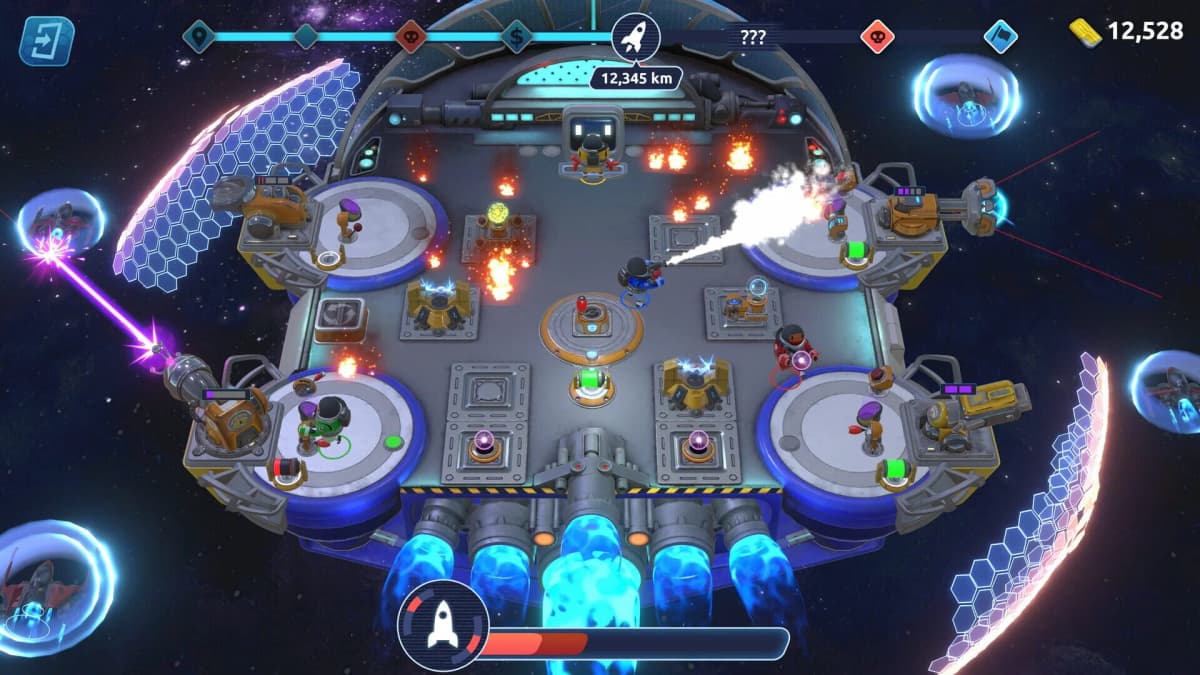
In the updated demo, shipboard crises are more frequent and more punishing. You need a triage protocol or you will repair in circles while the ship dies around you. First, address anything that stops the ship from moving or defending itself: engine failure and shield collapses come first because they expose you to further damage. Second, fix atmospheric breaches that drain crew survivability, since some events or enemies may target weakened sections. Third, clear fires that spread to adjacent rooms. Fourth, address client-side objectives only if the timer allows; a happy client is worthless if the reactor explodes. Make sure every player knows this order so that when the engineer asks for help, the closest teammate does not run to the comms panel instead of the hull breach.
Fighting New Enemy Types
The new enemies added in this update are not just reskins. They force different spatial and tactical responses. Some may target specific ship systems, meaning you can predict where damage will land and pre-position the engineer. Others may deploy boarding parties that turn interior corridors into combat zones, pulling players away from stations at the worst possible time. When you encounter a new foe for the first time, spend the opening seconds observing. Does it telegraph a heavy shot that the pilot can dodge? Does it spawn adds that the combat specialist needs to clear before they reach the engine room? Share that information immediately. The demo is short, so every new encounter is a knowledge check. Do not burn your best abilities on the first wave; save them for the moment the encounter script throws a second, nastier variant at you, which the branching structure suggests it will.
Navigating Random Events and Hazards
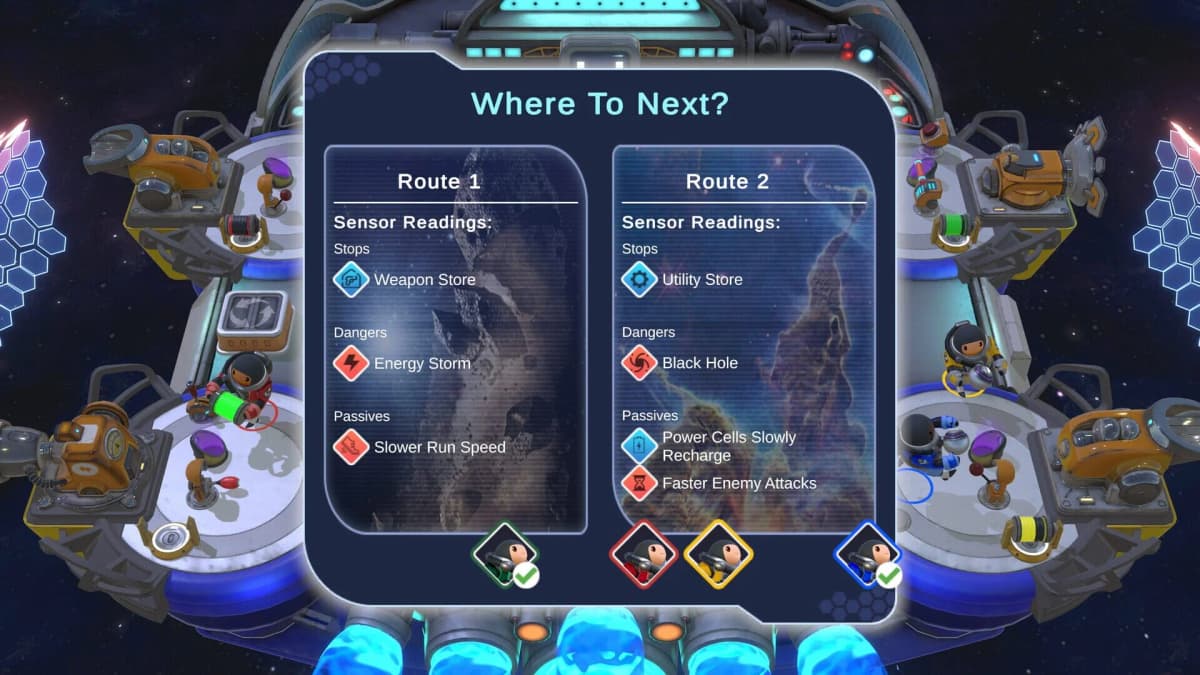
Between combat and repair, the updated demo layers in random events that demand a group choice. These are the branches of the roguelike structure. One path might offer a powerful consumable at the cost of hull integrity; another might give you a free repair but anger the client, altering the final payout or the next sector’s difficulty. Because these outcomes are narrative as well as mechanical, you cannot just math them out on the first try. Use your early demo sessions to sample aggressively. Take the risky deal. Betray the friendly scavenger. See what happens and whether the payoff is worth the spiral it triggers. The environmental hazards—asteroid fields, radiation clouds, or ship-trapping nebulae—function similarly. They test whether your pilot and engineer can synchronize under time pressure. If the hazard has a safe window, call it out so the crew stops repairing and braces for impact.
How Branching Runs Should Shape Your Demo Week
The most significant structural addition to this Steam Next Fest build is the branching roguelike run. You are no longer on a straight line from point A to point B. The choices you make between sectors ripple forward, changing which enemies appear, which clients offer contracts, and which crises spawn during the second mission. This means two crews can start with the same ship and end in completely different circumstances. For players trying to evaluate whether Sol Mates has legs beyond the festival, this is the feature to stress-test.
Approach your demo time with deliberate variance. In your first run, play it safe: choose the friendly trader, avoid the optional combat beacon, and prioritize ship integrity over client satisfaction. See how long you can survive on a conservative path. In your second run, go aggressive: pick every fight, accept every sketchy contract, and see if the combat specialist’s kit can carry you through the escalated opposition. In your third run, let the liaison make every choice, testing whether dialogue and event buffs can offset the lack of pure combat or repair power. By systematically varying your path, you will see more of the demo’s content in three hours than a player who repeats the same safe route ever will. This is also the best way to judge whether Daruma Games has built meaningful variety or just an illusion of choice. Early signs suggest the former—the second mission clearly shifts based on prior decisions—but you should verify that yourself before the demo window closes.
Common Mistakes That Sink New Crews
- Stacking roles: Putting two gunners on turrets while the engine burns is a fast way to end a run. Specialize and trust your teammates.
- Ignoring event text: Button-mashing through branching choices wastes the demo’s most interesting system. Read the prompt, discuss for three seconds, then commit.
- Burning cooldowns early: Using your engineer’s best ability on a single spark means you have nothing left when the cascade failure hits. Match ability use to crisis scale.
- Static positioning: Standing in the same room all game means you cannot react to boarders or sudden hull breaches. Stay mobile unless you own a station during combat.
- Neglecting the pilot: A drifting ship takes more hits, which creates more repairs, which pulls everyone away from guns. Evasion is damage prevention.
- Hoarding consumables: If you die with a full inventory of repair kits, you played too conservatively. Use them during the second mission’s overlap spikes.
Advanced Co-op Techniques for the Updated Demo
Pre-positioning before sector jumps is the easiest high-level habit to adopt. Before you jump to a new sector, discuss whether it is likely to be combat or event-heavy. The engineer should be near engineering, the pilot on the bridge, and the combat specialist near the turret before the jump finishes. This eliminates the three-second scramble that often costs you early damage. In four-player groups, the liaison should act as a runner, delivering overclocked components or manual overrides to rooms where stationary players cannot reach. This turns their kit into force multiplication rather than just dialogue bonuses.
Cooldown staggering is another layer that separates surviving crews from thriving ones. If multiple characters have active abilities, do not overlap them. Stagger repair bursts, damage buffs, and pilot dodges so that someone always has an answer to the next crisis spike. The demo’s hardest moments come from chain reactions, not single events. Finally, if you are playing online, voice comms are non-negotiable. The ping system is likely not enough for the second mission’s pace. If you are local, use the physical space. Sit in a configuration that matches the ship layout so you can physically point at screens when shouting orders.
FinalBoss // Gear
Level up your setup
01Graphics cardson Amazon→02Gaming laptopson Amazon→03High-refresh gaming monitorson Amazon→04Discounted game keyson Kinguin→
Affiliate links · As an Amazon Associate, FinalBoss earns from qualifying purchases.
Want to Level Up Your Gaming?
Get access to exclusive strategies, hidden tips, and pro-level insights that we don't share publicly.
Ultimate Guide Strategy Guide + Weekly Pro Tips