
Table of Contents (7)
Foosball Manager wants to make table football an unscripted, physics-first management game
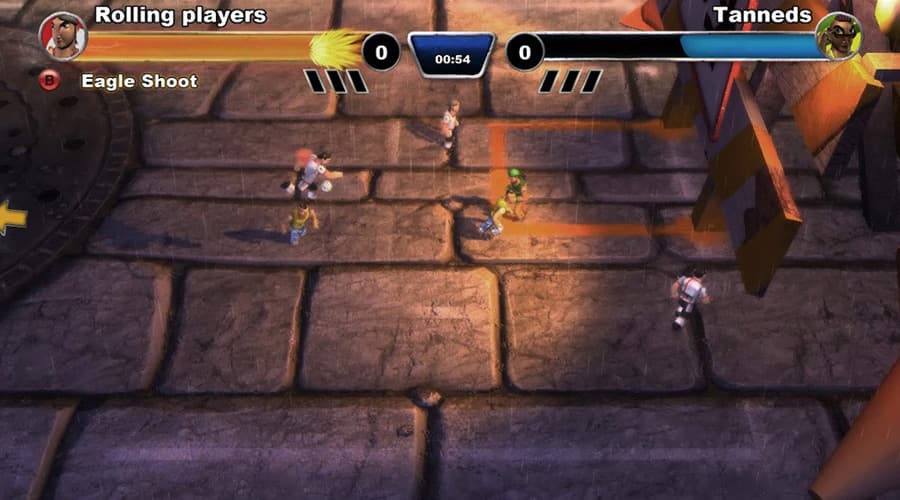
Here’s a neat, specific idea: a solo developer is attempting to turn foosball – the chaotic, rod-driven pub game – into a real-time management sim where matches play out as unscripted, physics-driven events. Machnikl’s Steam page for Foosball Manager is live (App ID 2607570), and the pitch is refreshingly narrow: manage a club, scout and sign players, build chemistry, and influence matches with sideline adjustments while autonomous players fight through a physics system in real time. There’s a playable demo penciled in for Summer 2026 and a full Windows/Mac release targeted for late 2026.
- Key takeaway: This is an ambitious design from a true solo indie – technical risk plus small marketing reach.
- Key takeaway: Physics-driven, unscripted matches could produce emergent drama or random chaos; execution matters more than the concept.
- Key takeaway: Early traction is tiny — wishlist sits around 240 — so the demo and first trailer are make-or-break moments.
What the Steam page actually tells us
The store listing, backed by a Games Press release, confirms the basics: machnikl is listed as both developer and publisher; genres are Simulation, Sports, and Strategy; platforms are Windows and Mac; and the demo target is Summer 2026 with a full release later in the year. The gameplay hook is clear on the page — matches are physics-driven and play out in real time with autonomous players, and the player’s role is managerial: scouting, training chemistry, and making live adjustments.
Those are promising bullet points if you like systems-first sports sims. They’re also the exact sorts of claims that demand a demo. Physics-based interactions can generate memorable emergent moments — or they can feel floaty and random if player AI, input responsiveness, and camera framing aren’t nailed.
The uncomfortable observation
It’s exciting because it’s specific. It’s worrying because it’s small. Machnikl appears to be a first-time Steam dev with no prior releases; the wishlist count sits at about 240 right now (Raijin.gg tracker). That’s normal for a page that just launched, but it’s also a reminder: a solo dev has to sell the idea fast. Compare this to recent indie demo stars that exploded wishlists after a well-received playable demo — the Play Store and Steam cycles now reward immediate, tangible playtime more than clever one-line pitches.
The real gamble: emergent drama versus physics chaos
There are two paths a physics-first sports sim can take. One: thoughtful systems and AI that let physics amplify decision-making, so your substitutions and training actually change how players behave. Two: a pretty physics engine that mostly produces unpredictable, unsatisfying bounces and feels like watching a tabletop hurricane. From the description alone you can’t tell which path Foosball Manager is on.
As a cynical editor who’s watched small studios promise “emergent systems” before, I want to see specifics: how deterministic are player roles? Can chemistry be tuned to produce reliable tactical differences? Are match lengths and camera framing designed so the player actually understands what their sideline calls did? Those are the questions the press release didn’t answer.
The question nobody’s asking (but I am)
How will the game present matches so players can learn from them? Management sims live and die on clarity. If your matches are fun but inscrutable, the “manager” part becomes window dressing. If the developer can show replays, heatmaps, or concise post-match analytics that tie back to scouting and training choices, this stops being a party trick and becomes a real strategy game.

What to watch next
- Trailer release — and whether it demonstrates readable match flow (not just pretty physics).
- Wishlist trajectory after any trailer or demo. The current baseline is ~240; a meaningful signal will be four- to five-digit growth after public playtime.
- The Summer 2026 demo. How the game feels under an actual player’s hands will decide coverage and word of mouth — demos still move the needle.
- Developer communication: devlogs or technical writeups that explain AI, match systems, and UX for post-match analysis.
If the demo shows tight, learnable systems that let physics create highlight moments rather than tantrums, Foosball Manager will be a rare, focused indie success. If it’s just “physics looks cool,” it’ll be a neat curiosity that struggles to break out.
TL;DR
Solo dev machnikl has a Steam page up for Foosball Manager, a physics-driven, unscripted foosball management sim with a demo due Summer 2026 and full release late 2026. The idea is compelling but high-risk: execution on AI, match clarity, and UX will determine whether this is clever or chaotic. Watch the trailer, the wishlist curve, and the Summer demo — those signals will tell you if this stays an interesting note or becomes a must-play indie.
FinalBoss // Gear
Level up your setup
01Top-rated gaming headsetson Amazon→02High-refresh gaming monitorson Amazon→03Gaming chairson Amazon→04Discounted game keyson Kinguin→Affiliate links · As an Amazon Associate, FinalBoss earns from qualifying purchases.
Want to Level Up Your Gaming?
Get access to exclusive strategies, hidden tips, and pro-level insights that we don't share publicly.
Ultimate Gaming Strategy Guide + Weekly Pro Tips