
Table of Contents (11)
The moment I realised Sony isn’t talking to me anymore
I remember staring at the headline about Ghost of Yotei’s PC port being cancelled and just feeling this weird mix of déjà vu and betrayal. I’ve been a PlayStation guy since the PS1 grey brick, but I’ve also spent the last decade building up a decent gaming PC. I’m the exact kind of player Sony’s recent PC push was supposed to speak to: the person happy to buy your console and your ports, the one double-dipping on games like Horizon and God of War because I want the best version on my rig.
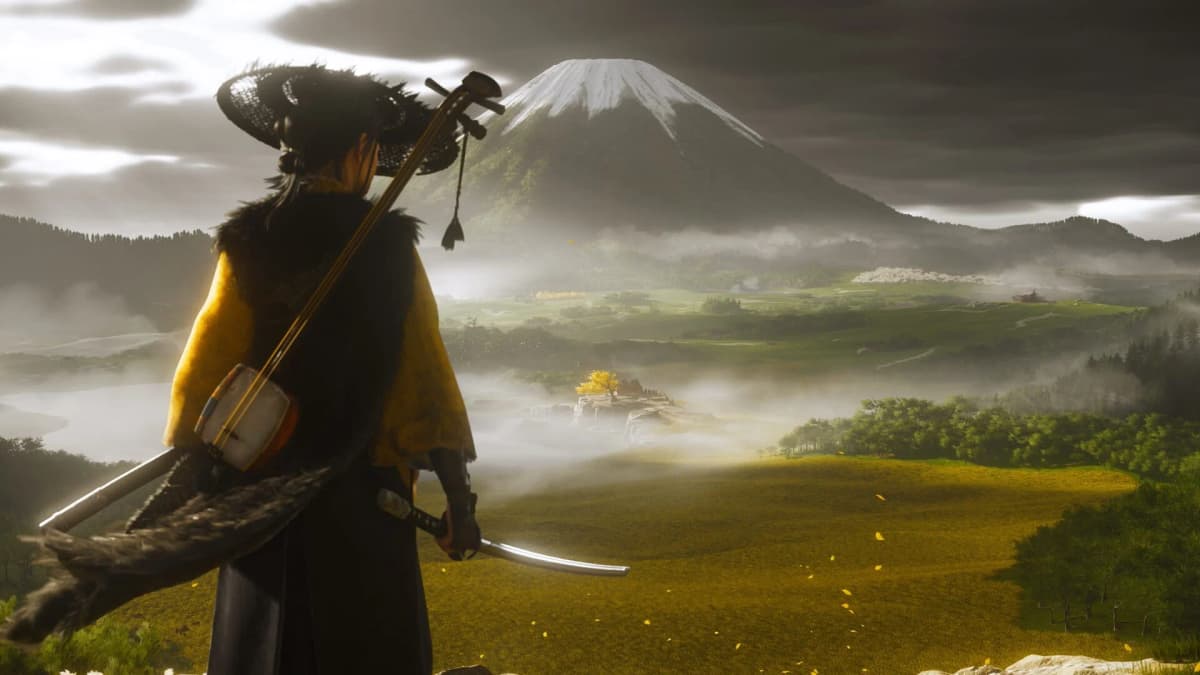
So hearing that Sony reportedly killed a near-complete PC port of Ghost of Yotei – a game living in the same universe as Ghost of Tsushima, one of the best first-party titles they’ve ever published – hit different. Not just because it’s one game, but because of what it signals: Sony looks like it’s pulling back from putting its big singleplayer exclusives on PC at all, and going back to the “buy our box or get lost” mindset I thought we’d finally moved beyond.
And I’m not going to pretend that doesn’t matter just because it’s “only” about platforms. This is about how Sony sees us: as fans who want to experience their stories wherever we can, or as captives tied to a piece of hardware. Right now, it sure feels like the latter.
What the leaks are actually saying (and what they imply)
Let’s lay out the situation as clearly as possible.
Multiple reports and leaks over early March 2026 – from leakers like DetectiveSeeds and then backed up by Jason Schreier’s Bloomberg reporting – say Sony has:
- Cancelled a very far-along PC port of Ghost of Yotei that was apparently targeting a 2026 release.
- Also canned the PC version of Saros, Housemarque’s upcoming singleplayer action-adventure.
- Shifted strategy so that first-party singleplayer games are once again treated as real PlayStation exclusives, while PC gets the multiplayer / live-service stuff and external projects.
Games like Death Stranding 2 (from Kojima Productions) and other third-party Sony-published titles apparently still have PC in their future. Same for live-service and multiplayer projects such as Bungie’s Marathon or other in-development titles. It’s specifically the singleplayer, narrative-heavy, first-party flagships that are getting locked back into the console.
Important disclaimer: Sony hasn’t officially confirmed any of this yet. As of mid-March 2026, this is all based on leaks and anonymous sources. But when multiple independent sources, including a pretty meticulous journalist like Schreier, point in the same direction, it’s worth taking seriously.
And if this is truly the new course, it’s a massive slap in the face to anyone who thought Sony had finally joined the modern platform conversation instead of clinging to a 2006 view of exclusivity.
Ghost of Yotei was the wrong hill for Sony to die on
Ghost of Tsushima is one of those games I still think about years later. The wind-guided exploration, the duel framing, those late-game story beats – it’s one of the rare open-world titles that actually earns its runtime. When Ghost of Yotei was announced as a spiritual successor/connected title, that instantly went to the top of my list.
So when reports say the PC port of Ghost of Yotei wasn’t just “talked about in a meeting” but was very far advanced, that stings. That means engineering time, QA time, planning. It means budgets signed off. It means someone at Sony looked at a build that was potentially months, not years, away and said: “Actually, no. Lock it back to PlayStation.”
If this was some early prototype that got shelved, whatever. But this sounds like a decision made late, after a lot of effort and money, which tells you how badly leadership wants to yank the wheel back toward console lock-in.
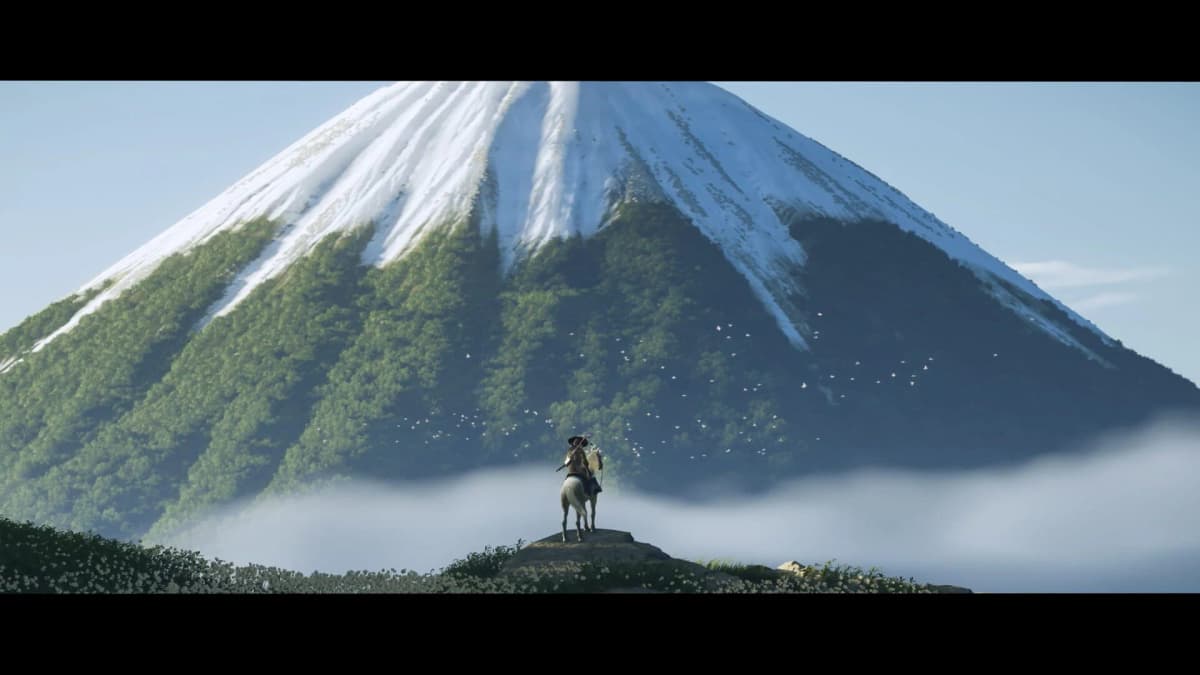
On a personal level, it also kills something I actually enjoy: replaying Sony’s best singleplayer games at ultra settings and high frame rates on PC. I sank absurd hours into Ghost of Tsushima on PS4 Pro, then upgraded to PS5 for the Director’s Cut. Ghost of Yotei on PC at 1440p, 120fps, maxed foliage – that was the dream run. A different way to savour a world I already loved.
Sony didn’t just cancel a port. They cancelled a potential definitive experience of what could be one of their best games this generation, purely because they’re scared it might make their console slightly less mandatory. That’s the part I can’t swallow.
Exclusivity used to make sense. Emphasis on “used to”.
I get where Sony’s instincts come from. The old console war playbook says: your first-party singleplayer games are the crown jewels. Keep them exclusive, they drive hardware sales, hardware sales build your ecosystem, the ecosystem prints money via subscriptions and store cuts.
That worked in the PS2 and PS3 eras. It even mostly worked on PS4, when PC gaming was big but not yet this dominant, and when Steam wasn’t eating everyone’s lunch at quite the scale it is now.
But the industry has moved on. Xbox – for all of Microsoft’s misfires – has spent years openly pushing a hybrid vision: day-one PC + console, Game Pass, Play Anywhere, cloud. You can think their execution is messy, but at least their messaging is honest. The platform isn’t a box. It’s an ecosystem that follows the player.
Sony dipped a toe into that world with PC ports of Horizon Zero Dawn, Days Gone, God of War, Spider-Man, Spider-Man: Miles Morales, Ratchet & Clank: Rift Apart, and more. They were slow at first, then noticeably accelerated. Suddenly you had this unspoken contract: PlayStation first, PC later. Buy the console if you’re impatient, wait if you’re not. Timed exclusivity in practice, if not in name.
That was actually a smart compromise. It respected the hardcore console crowd while acknowledging that PC players exist and have money. It didn’t “kill” PlayStation. The PS5 is still selling out in some regions, and their first-party games still chart.
So when the same company that built all that momentum suddenly slams the brakes and reportedly shelves finished work on Ghost of Yotei and Saros, based on fuzzy fears about “brand dilution” and “weak off-console returns”, it doesn’t read as savvy. It reads as panic.
“PC ports don’t sell enough” is a lazy excuse
One justification floating around is that some ports underperformed. Compared to the mountain of money Sony makes from console hardware, PSN, and the PlayStation Store, PC revenue supposedly looks small.
That framing is dishonest from the start. Of course the off-console slice looks small next to your entire platform business. You’re comparing a multi-billion dollar ecosystem to a handful of ports. It’s like saying your DLC sales are tiny compared to your whole company’s revenue and acting surprised.
PC ports are incremental revenue with long tails. They’re not there to replace the core business; they’re there to stack on top of it. And they do something that can’t be fully captured on a spreadsheet: they extend the cultural reach of your games.
More people playing Ghost of Yotei on PC doesn’t just mean immediate sales. It means more fans buying merch, more artists drawing fan art, more word-of-mouth when the PS6 drops and those players remember how much they loved your last big epic. It’s brand-building that doesn’t require you to manufacture and ship another expensive box.
And let’s not pretend the ports have been commercial failures. Horizon, God of War, and Spider-Man reportedly did well on Steam and Epic. Were they GTA V numbers? No. But measured against the relatively modest costs of porting a completed game to an existing marketplace, they make sense.
Walking away from that because it doesn’t instantly match your primary revenue streams is shortsighted in a way I’d expect from a quarterly-obsessed boardroom, not from a platform holder that supposedly cares about “bringing our stories to as many players as possible.”
The hypocrisy of “multiplayer for everyone, singleplayer for us”
What really grates is the asymmetry. According to these reports, Sony is still perfectly happy to send their multiplayer and live-service games to PC. Marathon? Sure. Whatever Marvel-branded live-service fighter they have cooking? Absolutely. Co-op shooters, service-based titles, anything that needs a ton of players in a short window to survive? PC is welcome.
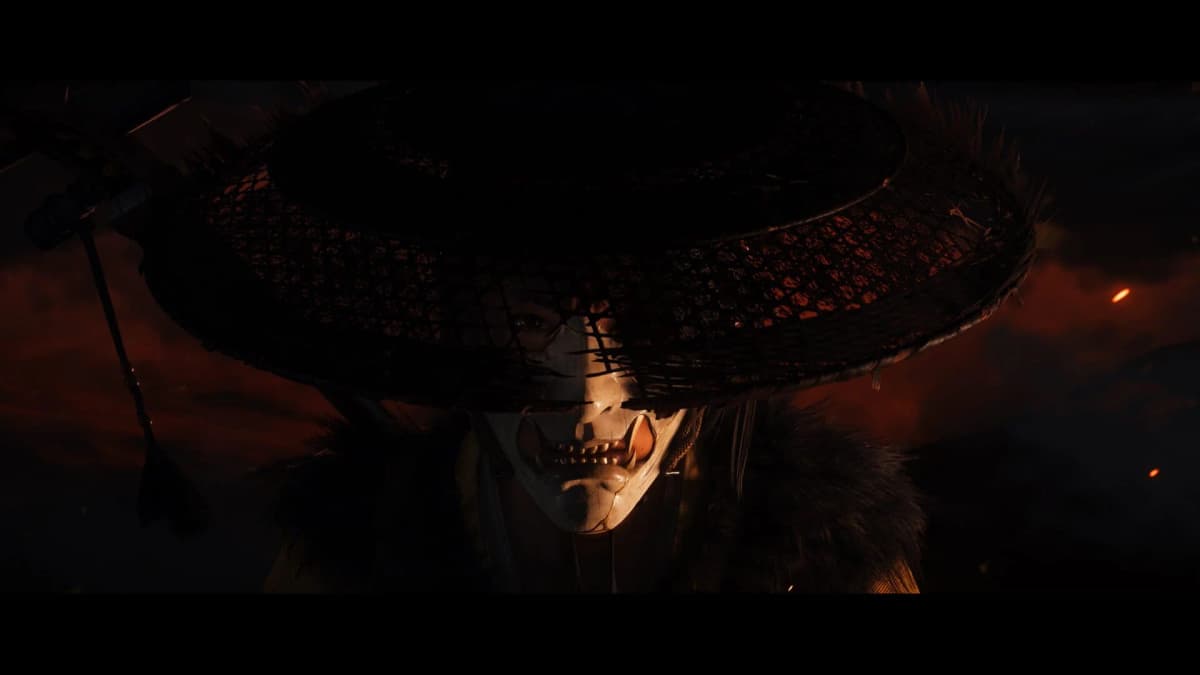
But the singleplayer stuff – the artful, self-contained, narrative-driven experiences that don’t rely on FOMO battle passes – those get locked up on the PlayStation box.
So when the upside benefits them (more users to feed a live-service), PC is a wonderful partner. When the upside mostly benefits us (more ways to play a story-driven game, more accessibility, more preservation), suddenly PC is the enemy threatening the sanctity of the brand.
Spare me. That’s not strategy; that’s naked self-interest dressed up as “protecting the ecosystem.” I’m not against companies making money – I want these games to exist, and that requires profit. But the line between “smart business” and “squeezing players” is exactly this kind of one-way street.
Timed exclusivity was the middle ground we actually liked
Here’s the part I really don’t understand: the community had largely accepted the middle ground Sony landed on. A lot of players, including me, were fine with a 1–2 year window between the console launch and the PC port.
If you’re obsessed with a game, you get it on PS5 day one. If you don’t care about platforms or you want ultra settings and mods, you wait. Both groups felt reasonably respected. The console stayed relevant, the PC got its turn, Sony collected money twice from people like me who bought on both formats. It was one of the rare times where exclusivity felt like a negotiation instead of a demand.
This whole debate showing up in a German plus kolumne: playstation-exklusivtitel piece summed it up pretty well: timed exclusivity works; drawing a hard line against PC for singleplayer games does not. Yet here we are, apparently watching Sony swerve away from the compromise that was actually working.
No one was seriously complaining that God of War arriving on PC years later somehow “cheapened” the PlayStation experience. If anything, it reinforced how good those games are: people were still hyped to play them again years after launch.
This isn’t just bad for PC gamers. It’s bad for the games themselves.
I care about platforms, but I care more about the games. Locking first-party singleplayer epics away from PC in 2026 isn’t just an inconvenience; it’s a preservation problem.
PC is where games go to live long-term. Backwards compatibility is messy on consoles, generations come and go, digital storefronts close. On PC, there’s a much higher chance that, 15 years from now, some fan community will still be patching Ghost of Yotei to run on whatever weird quantum GPU we’re using by then.
When you decide those games don’t get a PC version at all, you’re not just limiting your audience today – you’re limiting your game’s future. You’re betting everything on players being willing to keep old PlayStations around like retro museum pieces, rather than letting the game exist independently of a fixed box.
For a company that loves to talk about its cinematic universes, its prestige storytelling, its “interactive experiences that rival Hollywood,” the refusal to give those experiences the widest possible technical and cultural shelf life is baffling.
Yes, I get the counterarguments. I just don’t buy them.
The defenders of this alleged shift tend to hit the same talking points:
- “Sony needs hardware sales to survive; they’re not Microsoft.”
- “If you put the big singleplayer games on PC, fewer people will buy PS5s.”
- “Ports are expensive and distract studios from making new games.”
On the hardware point: yes, Sony leans more on console profit than Microsoft does. That doesn’t mean they can’t walk and chew gum. Timed exclusivity was already doing the job of pushing impatient fans to PS5; PC versions landing years later weren’t stopping anyone from buying the console, they were just monetising the long tail.
On cannibalisation: show the data. Not the vague fear, the actual numbers that say “PC ports reduced console game sales by X%.” Funny how those hard numbers never appear in these debates. Meanwhile, the anecdotal evidence is everywhere: people who buy Sony games twice because they want both the couch experience and the maxed-out PC one.
On porting costs: then build proper pipelines. Partner with specialised PC teams. You’ve had years to refine your process. At this point, blaming ports for distracting studios is like blaming localisation for distracting from development – it’s just a part of doing business globally. If anything, killing a nearly finished Ghost of Yotei port wastes more resources than never planning one at all.
This is where I draw my own line as a customer
I’m not going to pretend I’ll suddenly boycott every Sony release. I still love their first-party output too much for that. But moves like this absolutely change how – and how quickly – I give them my money.
If Sony really is done with PC for singleplayer games, then I’m done double-dipping. No more buying on PlayStation “for now” with the expectation that I’ll grab the PC version later. If my only option is their box, then their box is where I’ll be ruthlessly selective.
It also makes me look at the hypothetical PS6 very differently. If the future pitch is “Another £500 box you need to buy if you want to play our story-driven games, and don’t expect them anywhere else,” that’s a much harder sell when my PC already exists and Xbox is increasingly happy to meet me where I am.
What made me optimistic about Sony’s last few years was the sense that they were growing up past the childish console war mentality. The plus kolumne: playstation-exklusivtitel debates in Germany, English-language op-eds, fan discussions on forums – there was this emerging consensus that the war was over, and the real battle was for time and attention, not for which plastic box people buy.
Cancelling the Ghost of Yotei PC port and reportedly shelving others like Saros is more than a minor strategy tweak. It’s a statement of priorities. And that statement reads loud and clear: they’d rather leave money and goodwill on the table than risk diluting the illusion that PlayStation is the only place that matters.
Sony can still fix this – if they remember who actually made PlayStation a thing
The irony is that the people this move hurts most are the exact ones who built PlayStation into what it is: the lifelong fans who stuck around through weird hardware launches, expensive proprietary storage, PS3’s Cell mess, and all the rest. The ones who bought the consoles and the PC ports. The ones who evangelised Ghost of Tsushima, Horizon, and God of War to their friends.
Sony doesn’t need to throw away exclusivity entirely. They just need to stop treating PC like a threat and start treating it like what it actually is: the biggest, most flexible gaming platform on the planet, and a natural home for their singleplayer epics once the console had its moment.
If they come out in a few months and clarify that Ghost of Yotei and Saros were one-off casualties, that singleplayer PC ports are still on the table after sensible delays, I’ll be the first to celebrate. I’ll happily buy Ghost of Yotei on PS5 at launch and again on PC later, just like I did with Tsushima and Horizon.
But if this really is the start of an era where the next wave of PlayStation singleplayer greats never leaves the console, then Sony should at least be honest about what they’re choosing. They’re not choosing “premium experiences” or “platform integrity.” They’re choosing lock-in over reach, fear over ambition, and short-term comfort over long-term growth.
And as someone who loves their games enough to want them on every screen possible, that’s a choice I’ll never stop calling out as a mistake.
FinalBoss // Gear
Level up your setup
01Best-selling PS5 gameson Amazon→02DualSense controllerson Amazon→03PS5 SSD upgrades (M.2 NVMe)on Amazon→04Discounted game keyson Kinguin→Affiliate links · As an Amazon Associate, FinalBoss earns from qualifying purchases.
Want to Level Up Your Gaming?
Get access to exclusive strategies, hidden tips, and pro-level insights that we don't share publicly.
Ultimate Gaming Strategy Guide + Weekly Pro Tips