
Table of Contents (6)
Sony shutters Bluepoint – and the timing is telling
Sony will close Bluepoint Games next month, laying off roughly 70 people after an internal business review that concluded rising development costs, slower industry growth and shifting player behaviour made the studio’s pipeline unsustainable. The move lands after Bluepoint’s live‑service God of War project was cancelled in January 2025 and a year of failed pitches, according to reporting confirmed by multiple outlets and an internal memo from PlayStation leadership.
- Bluepoint – the studio behind acclaimed remakes like Demon’s Souls and Shadow of the Colossus – is being closed in March 2026 after Sony’s review.
- The cancellation of a live‑service God of War project in January 2025 and the inability to secure follow‑up projects directly contributed to the shutdown.
- The public still wants remasters and hopeful Bloodborne talk, but Sony appears to be shifting away from riskier live‑service bets toward more predictable, sustainable projects.
Breaking down the closure — what actually happened
Hermen Hulst’s Feb. 19, 2026 internal memo praises Bluepoint as a “talented team” that delivered “exceptional experiences” for PlayStation, but frames the shutdown as a business decision: higher costs, slower growth and evolving player behaviour made Bluepoint’s roadmap untenable. Industry reporting—initially surfaced by Bloomberg and carried by GamesIndustry.biz and others—says Bluepoint’s live‑service project was canned in January 2025 and subsequent pitches over the following year didn’t get greenlit. The result is a studio closure slated for March and roughly 70 job losses.
Why this matters for God of War, remakes and PlayStation’s strategy
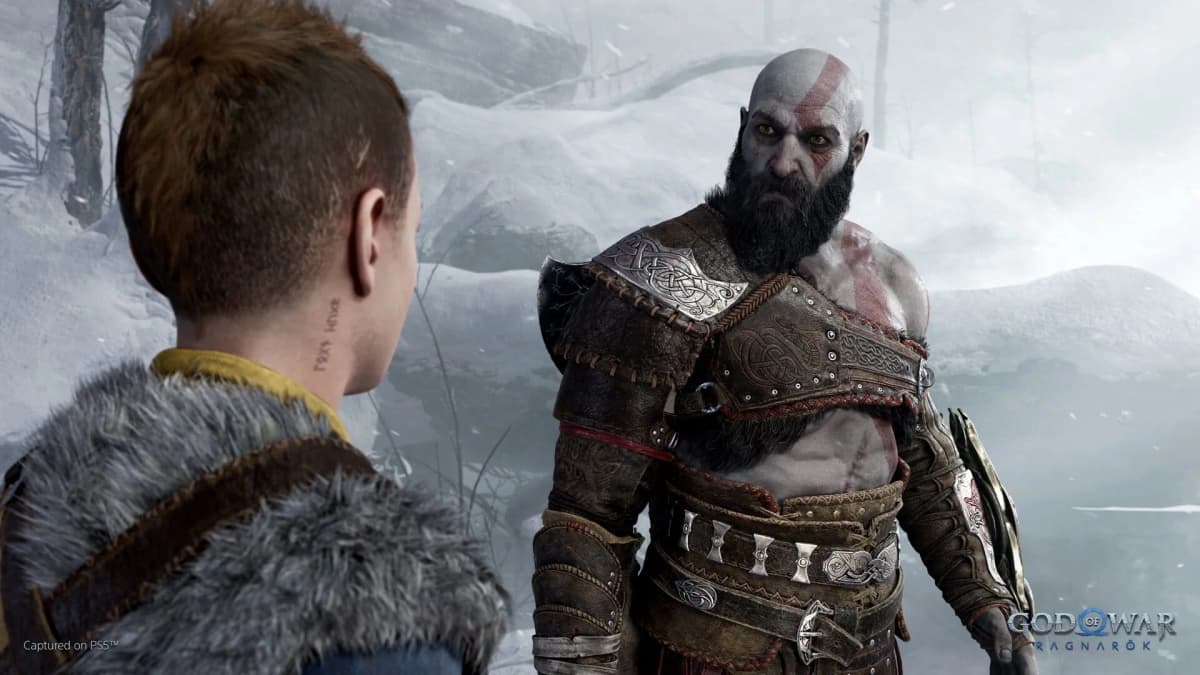
Bluepoint earned a reputation as Sony’s go‑to for premium remakes: 2018’s Demon’s Souls and Shadow of the Colossus remake set a high bar. More recently, Bluepoint did co‑development work on God of War Ragnarök (2022), though reporting and technical analyses make clear its role was support rather than sole developer. That nuance matters because fans often conflate “Bluepoint touch” with guaranteed franchise stewardship.
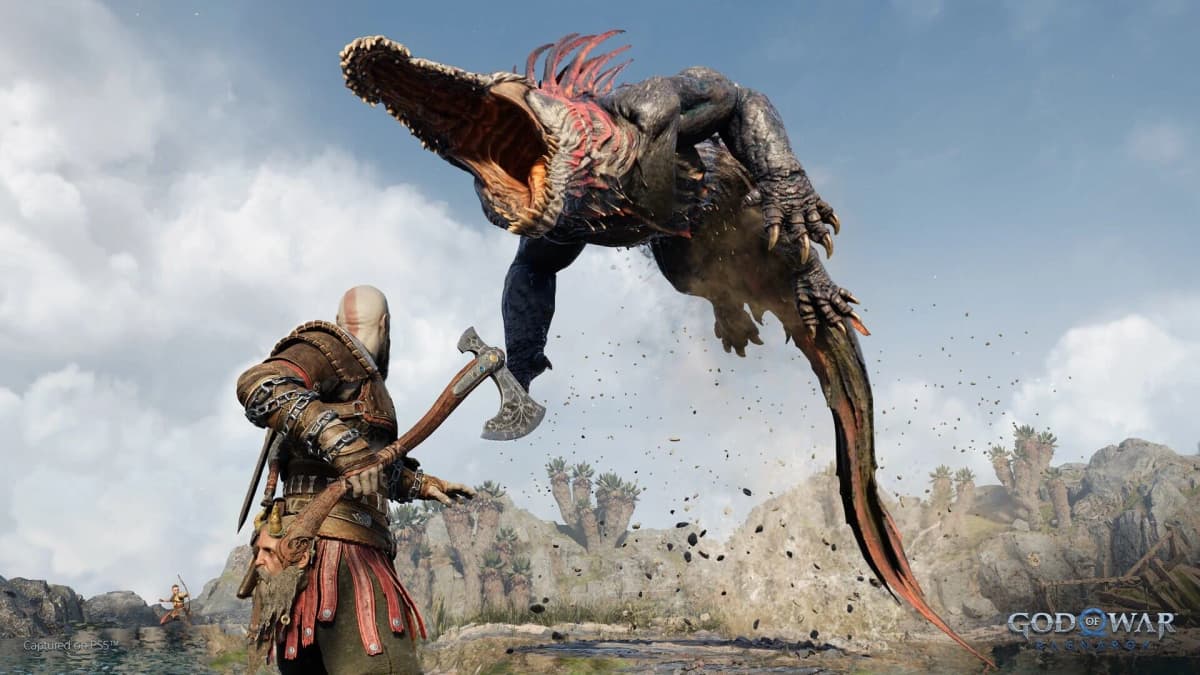
That disconnect fuels two bittersweet realities. First, datamines and fan sleuthing are already lighting up the God of War fandom—recent Steam News and GamesRadar+ writeups highlighted unused Ragnarok dialogue that some believe hints at an Egyptian‑themed follow‑up. Those breadcrumbs keep excitement alive, but they now exist against the backdrop of a shrinking pool of specialist studios that might handle remakes or ambitious co‑developments.
Second, the closure signals a larger PlayStation pivot: after a costly era of chasing big live‑service ambitions across the industry, Sony appears to be stepping back from risky, long‑tail projects and favouring more sustainable development paths. For remakes and one‑off premium titles, that could mean more internal teams or trusted partners will be tapped — but the era of outsourcing high‑risk live services to boutique houses looks less likely.
Industry context: rising costs, live services and the backlash
GameSpot and other analysts frame Bluepoint’s shut down as emblematic of PlayStation’s PS5 era struggles: big budgets, uncertain returns, and an industry recalibrating what players want. Sony publicly cites “shifting player behaviour” as a factor — the polite way of saying live services haven’t delivered the predictable revenue streams companies hoped for, while development budgets balloon.
That environment makes studios that built careers on premium remakes vulnerable. Bluepoint’s catalogue is proof that remasters can be both artful and lucrative — but not if the company is pushed into projects that don’t align with its strengths. The cancelled God of War live‑service project read like a mismatch: a studio known for tight, curated re‑creations being asked to build a persistent, ever‑evolving platform.
What to watch next
- Where Bluepoint’s talent lands — expect LinkedIn/X activity and indie offshoots from seasoned devs.
- Sony’s Q1 2026 earnings and messaging for clearer guidance on live‑service strategy and whether internal teams will absorb remake work.
- Any official moves on Bloodborne and other remaster candidates — Sony’s past IP enforcement, like shutting down fan Bloodborne projects, suggests cautious IP control.
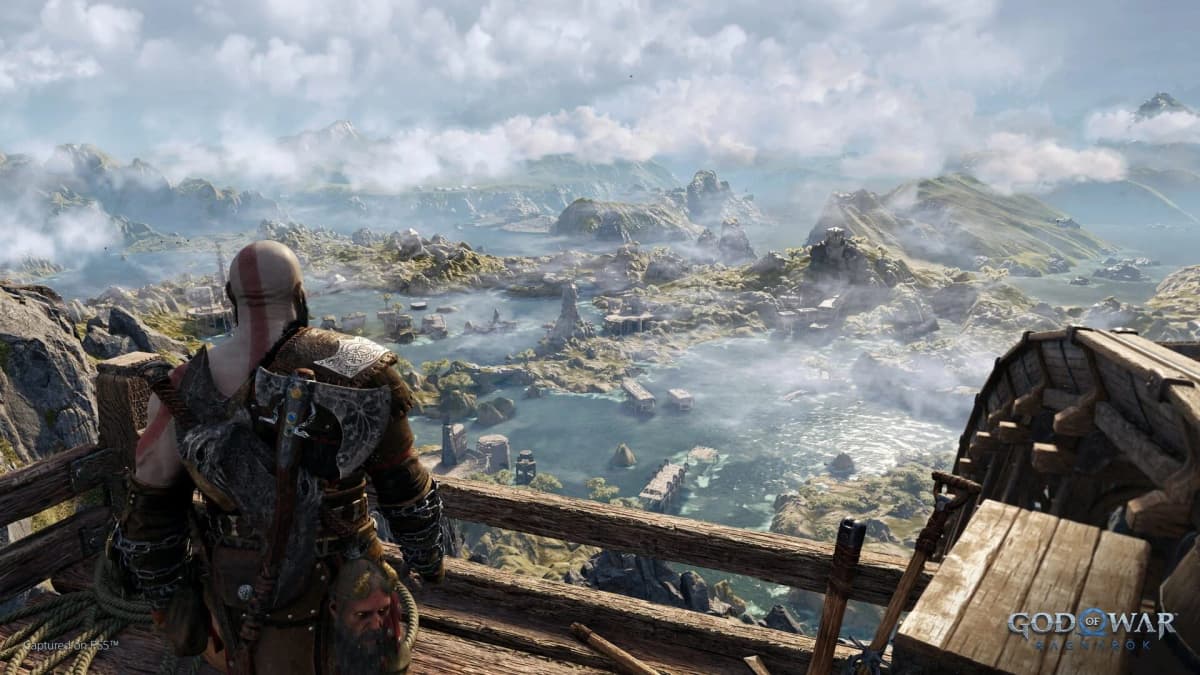
- How future God of War development is staffed: the recent datamines hint at an Egyptian thread, but the studios that will realize it are now less certain.
TL;DR
Sony closing Bluepoint is more than a sad layoff headline; it’s a sign of PlayStation’s strategic retrenchment. The cancelled live‑service God of War project and a year of unsuccessful pitches left the studio with no viable path under Sony’s new tolerance for risk. For gamers that means fewer boutique teams doing glossy remakes and a PlayStation that’s prioritizing financially predictable projects over experimental live services — even when those experiments involve beloved franchises.
FinalBoss // Gear
Level up your setup
01Best-selling PS5 gameson Amazon→02DualSense controllerson Amazon→03PS5 SSD upgrades (M.2 NVMe)on Amazon→04Discounted game keyson Kinguin→Affiliate links · As an Amazon Associate, FinalBoss earns from qualifying purchases.
Want to Level Up Your Gaming?
Get access to exclusive strategies, hidden tips, and pro-level insights that we don't share publicly.
Ultimate Gaming Strategy Guide + Weekly Pro Tips