
Table of Contents (7)
Sony is closing Bluepoint Games. Here’s what that actually changes for gamers.
This caught my attention because Bluepoint isn’t a random support studio – it’s the shop that rebuilt Demon’s Souls for the PS5 and proved remakes can be both technically dazzling and commercially valuable. Now Sony has decided to shutter the Austin studio in March, putting roughly 70 people out of work after an internal review and the cancellation of a Kratos live-service project in January 2025.
- Bluepoint will close in March; about 70 employees are affected.
- Sony’s internal review and the cancelled Kratos live-service are cited as reasons.
- This is a meaningful loss to PlayStation’s remaster/remake capacity and the studio ecosystem.
Key takeaways
- Sony framed the move as a cost-and-sustainability decision after a broader business review and the live-service cancellation.
- Bluepoint’s technical expertise – from Shadow of the Colossus to the Demon’s Souls remake – is rare; losing that concentrated skill matters for preservation and high-quality ports.
- PlayStation says it will try to reassign some staff internally, but this still looks like consolidation during a tougher era for triple-A economics.
Breaking down the announcement
Reported by VidaExtra and Bloomberg, the closure follows a company-wide review that concluded keeping Bluepoint open wasn’t sustainable under current economic pressures. A PlayStation spokesperson praised the studio — “Bluepoint Games is an incredibly talented team and their technical expertise has delivered exceptional experiences to the PlayStation community. We thank them for their passion, creativity, and craft” — but confirmed the shutdown nonetheless. Hermen Hulst, head of PlayStation’s Studio Business Group, sent a longer internal message (shared on ResetEra) that laid out the rationale in corporate language: rising development costs, slower industry growth, shifting player behavior and broader economic headwinds.
Why now — the business logic and the red flags
Sony’s public explanation is straightforward: creating high-quality games is getting more expensive and unpredictable. Hulst’s note reads like a company trying to align long-term studio costs with a tighter roadmap — Ghost of Yōtei, Death Stranding 2 and others had strong results, but that wasn’t enough to justify every studio’s future. The cancellation of the Kratos live-service in January 2025 is the proximate trigger here. When a major internal project goes away, companies often reassess whether the teams built around it still fit the new strategy.
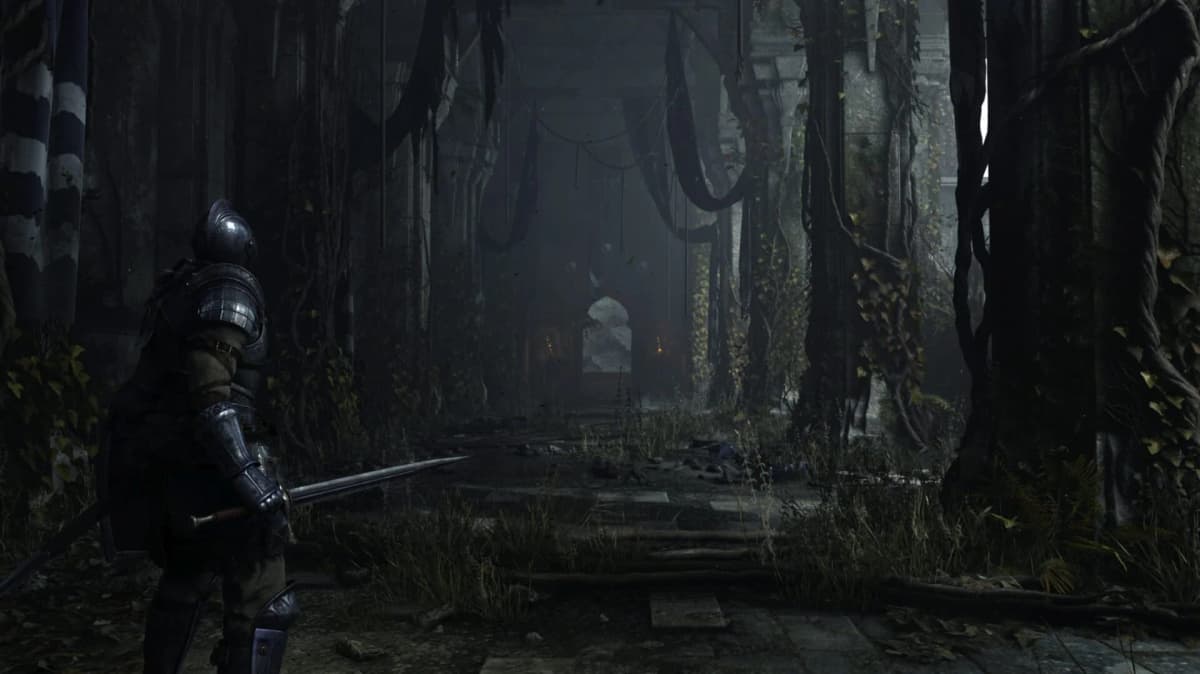
I’m skeptical of the “purely economic” framing. Corporate reviews are real, but decisions like this also reflect strategic bets: Sony appears to be prioritizing owned-IP, live-service winners, and studios with broad multiplatform or high-revenue footprints. A boutique team of remaster specialists — even one with a high-profile pedigree — can be an easy casualty when the narrative shifts from preservation and craft to scale and recurring revenue.
Bluepoint’s legacy — remakes, finesse, and why that matters
Bluepoint began in 2006 and built a reputation for ports and remasters: Uncharted: The Nathan Drake Collection, Metal Gear Solid HD Collection, God of War: Collection, the 2018 Shadow of the Colossus rebuild, and crucially the PS5 Demon’s Souls remake that impressed both press and players. Sony bought Bluepoint in 2021 after that Demon’s Souls success. They later supported God of War: Ragnarök and then started work on a Kratos live-service — a pivot that ultimately failed to ship.
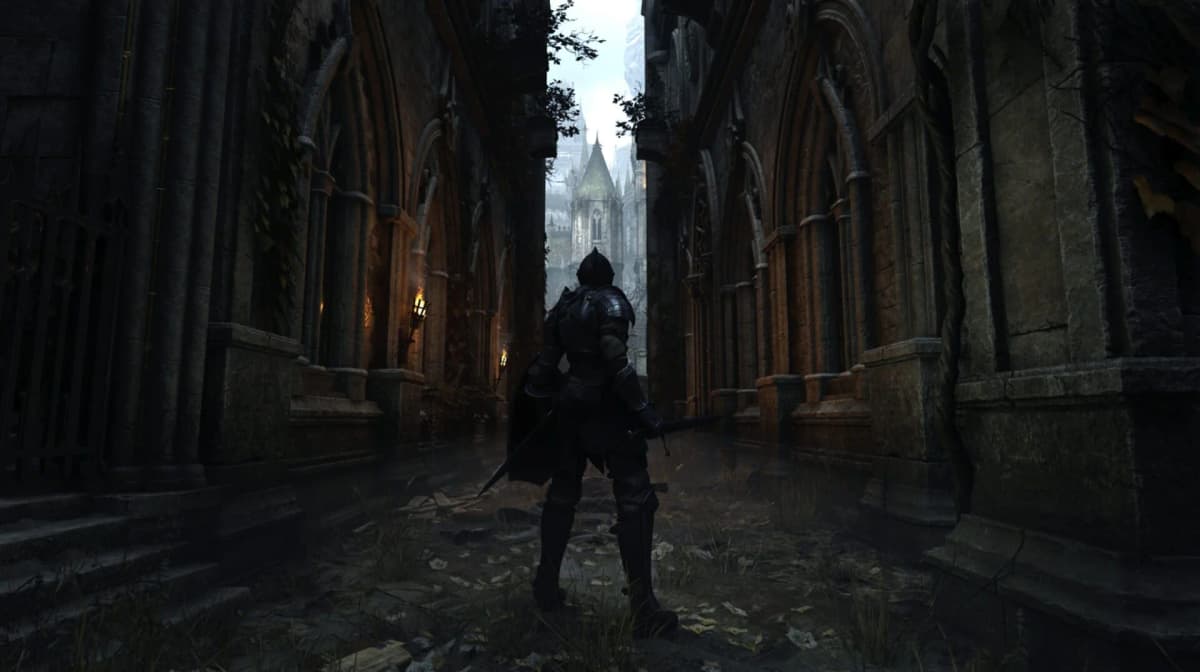
That resume matters because specialists who can take old code, update assets, and deliver modern performance are rare. With Bluepoint gone, PlayStation loses a hub of technical knowledge that helped preserve and renew older titles. The closure raises real questions about who will maintain that pipeline for future remasters — and whether preservation will increasingly be outsourced or deprioritized.
What gamers and developers should expect
For players, the immediate impact is subtle: existing games remain unaffected. But looking ahead, fewer internal teams with Bluepoint’s specific skillset could mean slower or lower-quality remasters and ports. For devs, this is another signal that being a niche specialist inside a corporate portfolio is risky if your work doesn’t align with the parent company’s growth products.
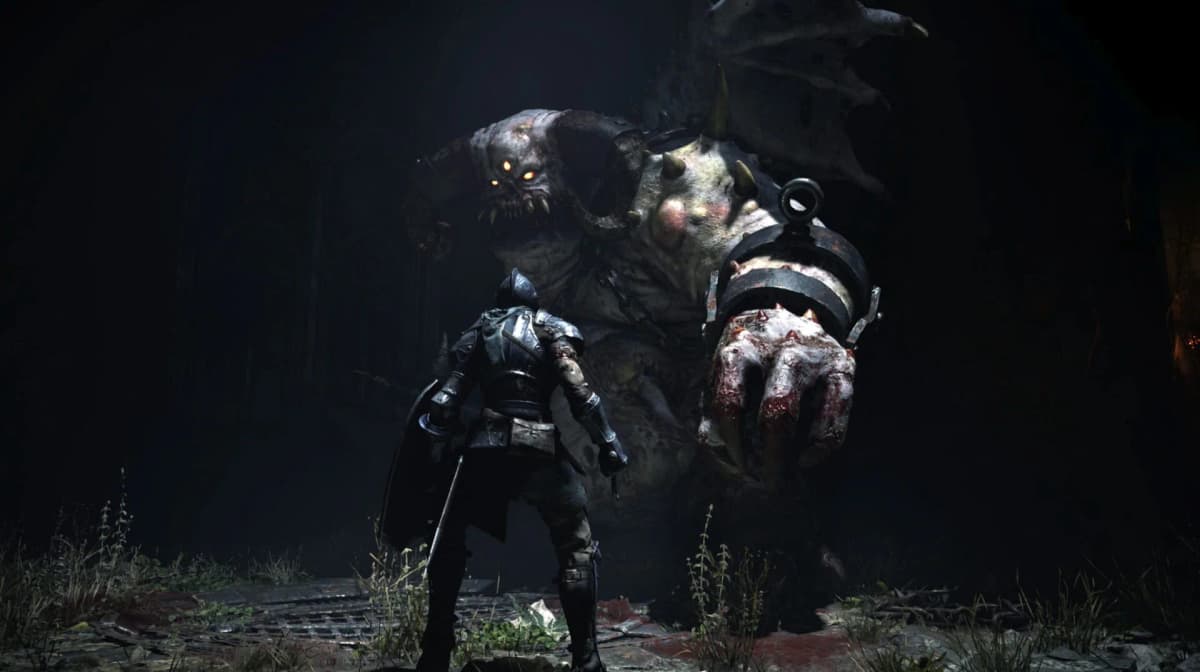
Sony says it will try to place some employees within its studio network, which is better than handing everyone a severance check and closing the door. Still, losing a 20-year studio with a reputation for technical craft is a net negative for creative diversity on PlayStation platforms.
TL;DR
Sony is closing Bluepoint in March after a post-cancellation corporate review. It’s a pragmatic cost-savings move on paper — but it also burns a rare source of remaster expertise and signals that PlayStation will double down on studios and projects that promise scale or recurring revenue. That’s bad news if you care about high-quality remakes, game preservation, or smaller teams that punch above their weight.
FinalBoss // Gear
Level up your setup
01Top-rated gaming headsetson Amazon→02High-refresh gaming monitorson Amazon→03Gaming chairson Amazon→04Discounted game keyson Kinguin→Affiliate links · As an Amazon Associate, FinalBoss earns from qualifying purchases.
Want to Level Up Your Gaming?
Get access to exclusive strategies, hidden tips, and pro-level insights that we don't share publicly.
Ultimate Gaming Strategy Guide + Weekly Pro Tips