
I Thought More Features Were Better—Ghost of Yotei Proved Me Wrong
Game intel
Ghost of Yōtei
The game takes place 300 years after Ghost of Tsushima. Set in the lands surrounding Mount Yōtei, a towering peak in the heart of Ezo, an area of Japan known a…
Vince Gilligan’s Unexpected Vibe Check on Ghost of Yotei
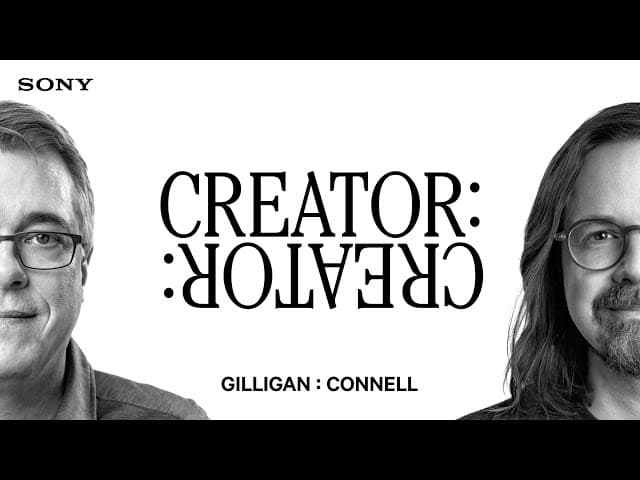
When Breaking Bad creator Vince Gilligan sat down with Ghost of Yotei creative director Jason Connell, it wasn’t just Sony flexing star power. It was a subtle nod at what the studio really stands for this time around: restraint. Instead of piling on head-lops and half-baked side systems, Sucker Punch is doubling down on moments that pack an emotional punch and a combat loop as tight as a blade’s edge. For players weary of feature bloat and carnival-style mayhem, that’s a breath of fresh Hokkaido air.
Key Takeaways
- A deliberate cut of gore scenes means each decapitation carries weight, not shock value.
- Ultra-fast iaijutsu mocap forced artists to retime animations for clarity and authenticity.
- Memory-time-travel was “killed” as a global ability, then refocused to key story beats for cohesion.
- Sucker Punch’s disciplined approach could set a new bar in an era of endless feature creep.
Background: A Cinematic World Rooted in Hokkaido and Ainu Culture
Ghost of Yotei unfolds across a stylized, open‐world Hokkaido, fusing samurai cinema tropes with elements of Ainu heritage and supernatural folklore. You play as Atsu, a skilled ronin on a quest for vengeance against corrupt warlords and lurking yokai spirits. From the start, Connell and fellow director Nate Fox tapped cultural advisors from the Ainu community to ensure rituals, clothing and language feel authentic, not just window dressing. That emphasis on respect extends to every system: the village you visit, the shrines you cleanse, even the way Mount Yotei’s mist is rendered at dawn. It’s clear they’re not building a buffet of half-baked features—they’re crafting a curated journey that honors both history and myth.
This foundation shapes the decisions that follow. When you know your world stands on careful research and cinematic vision, you can make tough calls—like cutting your favorite mechanic—without losing narrative coherence.
Earned Violence Beats Empty Spectacle
Connell admitted there’s a pressure to show gamers a constant barrage of blood spatter because “gamers like this stuff.” He resisted. Instead of turning each encounter into a decapitation highlight reel, Ghost of Yotei culls its violence for maximum impact. Think of Sekiro’s posture breaks (a stamina-based guard system) or Sifu’s crisp hit stop (a brief freeze emphasizing every strike)—each hit has room to resonate. Yotei promises that same clarity: every clash is telegraphed, every blow speaks through weighty sound design and camera shake, ensuring you feel the commitment behind each swing.
That choice pays dividends in gameplay readability. When gore isn’t wallpaper, you notice the detail: a katana slicing silk, a mixture of sweat and rain on the protagonist’s forehead, the hush before a critical kill. It’s the difference between watching a slow-motion splatter meme and living a cinematic duel where every second counts.
When Your Samurai Are Too Fast for the Cameras
Here’s the geeky nugget: Sucker Punch hired tenshin ryū practitioners—masters of iaijutsu, the art of lightning-fast blade draw—and they genuinely broke the motion-capture rigs. Modern optical sensors struggled with velocities that exceeded marker refresh rates, corrupting data. Rather than sacrifice authenticity, animators asked the performers to slow their draw just enough for the cameras, then used animation curves to “retime” the motion back to true iaijutsu speed.
This process isn’t trivial. Engineers patched marker sets, tweaked Vicon system thresholds, and re-scripted retargeting tools so the resulting animation retained that razor-edge snap without ghosting or jitter. For you, that means duels feel razor-sharp—fast enough to sell danger, precise enough to keep input windows readable. It’s proof that realism in games extends beyond textures: it lives in the tiniest frame of movement.
Want to Level Up Your Gaming?
Get access to exclusive strategies, hidden tips, and pro-level insights that we don't share publicly.
Ultimate Gaming Strategy Guide + Weekly Pro Tips
Killing Your Darlings: Memory-Time-Travel Trimmed to a Narrative Knife’s Edge
Perhaps the toughest call was Atsu’s memory function, an ambitious time-travel mechanic letting players hop into key past moments across the whole map. Imagine rewinding the entire frontier of Hokkaido to reshape clan conflicts—cool on paper, impossible in practice. Connell “killed” that global feature in favor of a focused tool tied to Atsu’s ancestral home, unlocking it only at pivotal story beats. The result is a curated memory-sequence experience, not a sandbox gimmick.
From a development standpoint, that was smart. Fewer permutations to test meant QA could dig deeper, mission scripting stayed cleaner, and narrative pacing stayed tight. For players, it avoids the usual “open-world bloat” trap: no more juggling detective vision, crafting, time puzzles, and settlement sims. Instead, each memory sequence deepens character arcs, builds tension, and then hands you back to the main quest with purpose.
What This Means for Performance and PC Ports
Strong focus often translates to smoother performance—and that matters for any platform. Ghost of Tsushima’s PC port benefited from fewer edge-case systems, delivering a stable 60+ fps experience with unlocked framerates and ultrawide support. Yotei’s tighter design should yield similar headroom when it arrives on PC (Sony’s Creator to Creator spotlight hints at a future port). Less systemic complexity means fewer bugs, better optimization, and a combat model that thrives in high-refresh scenarios. If you’re a frame-rate chaser or modder, that’s welcome news.
For PS5 players, it also justifies the next-gen hardware push: dynamic weather affecting duels, invisible pop-ins on Mount Yotei’s slopes, and haptic feedback ringing through each precise strike. Discipline in design often unlocks polish elsewhere—and that’s a win for every player.
Conclusion
Ghost of Yotei’s creative choices show that restraint can be revolutionary. By resisting gratuitous gore, retooling high-velocity mocap, and slimming down a sprawling time-travel mechanic, Sucker Punch has crafted an experience where every component earns its place. In an era of “more is more” feature creep, that kind of surgical discipline might just be the story we need.
Whether you’re drawn to cinematic samurai duels or narrative depth, Yotei’s focused approach promises to stick with you long after the credits roll.