
Sony’s reported PC retreat is not really about PC. It is about protecting the one part of PlayStation’s business that still matters more than any prestige port ever could: keeping the PS5 ecosystem sticky enough that players buy hardware, subscribe, and stay put. If the Bloomberg-sourced reporting holds, and Ghost of Yotei is indeed one of the games staying off PC, then Sony is telling players something pretty blunt. Narrative exclusives are once again being treated as hardware leverage, not catalogue filler for Steam a year or two later.
That is the real story here. Not “Sony hates PC now.” Not “PlayStation is abandoning Steam.” The narrower and more credible version is that Sony appears to be drawing a line between two kinds of releases: single-player first-party tentpoles stay locked to PlayStation, while multiplayer, live-service, and broader publishing plays can still go where the audience is. That distinction has shown up repeatedly in the reporting around an internal town hall allegedly led by PlayStation leadership, with outlets including Gematsu, Push Square, Noisy Pixel, and TheSixthAxis all echoing the same core claim.
The catch is that most of the public evidence is still secondhand. Bloomberg’s reporting is the catalyst, but the underlying remarks have not been published in full in the materials circulating publicly. So confidence should be moderate, not absolute. Still, when several outlets land on the same basic framework, it stops looking like random rumor and starts looking like a strategy shift Sony would very much prefer to explain on its own terms later.
Table of Contents (6)
This is a reversal, not a misunderstanding
For the last several years, Sony trained players to expect that “exclusive” often meant “exclusive for now.” Horizon Zero Dawn, Days Gone, God of War, Marvel’s Spider-Man, The Last of Us Part I-the pattern was obvious. PlayStation would sell the console version first, then come back later and monetize the same game again on Steam and Epic. It was never day-and-date on the Xbox model, but it was a real expansion strategy. Sony even talked openly about growing beyond the console box.
If that pattern is now being narrowed or partially rolled back, it is not because executives suddenly forgot how extra revenue works. It is because the extra revenue was apparently not worth what Sony thinks it was giving up. That is the uncomfortable observation the press-release version would avoid: PC ports may have made money, but not enough money to justify weakening the perceived value of owning a PlayStation in the first place.
That logic is cold, but it is not irrational. Sony is not Valve. It does not own the dominant PC storefront, and it does not get a platform tax every time somebody else sells a game on Steam. On PlayStation hardware, Sony benefits from everything around the software sale: accessories, subscriptions, storefront purchases, engagement, and brand lock-in. A Steam port can be profitable and still be strategically weaker than one more player deciding they need a PS5 for the next Sucker Punch or Santa Monica game.
Ghost of Yotei matters because it is the cleanest test case
Ghost of Yotei keeps showing up in the reporting because it is exactly the kind of game that exposes whether Sony has truly changed course. This is not a live-service bet, not a multiplayer experiment, not an odd external publishing arrangement. It is the classic PlayStation prestige package: a big-budget, narrative-focused single-player release designed to sell a platform image as much as a game.
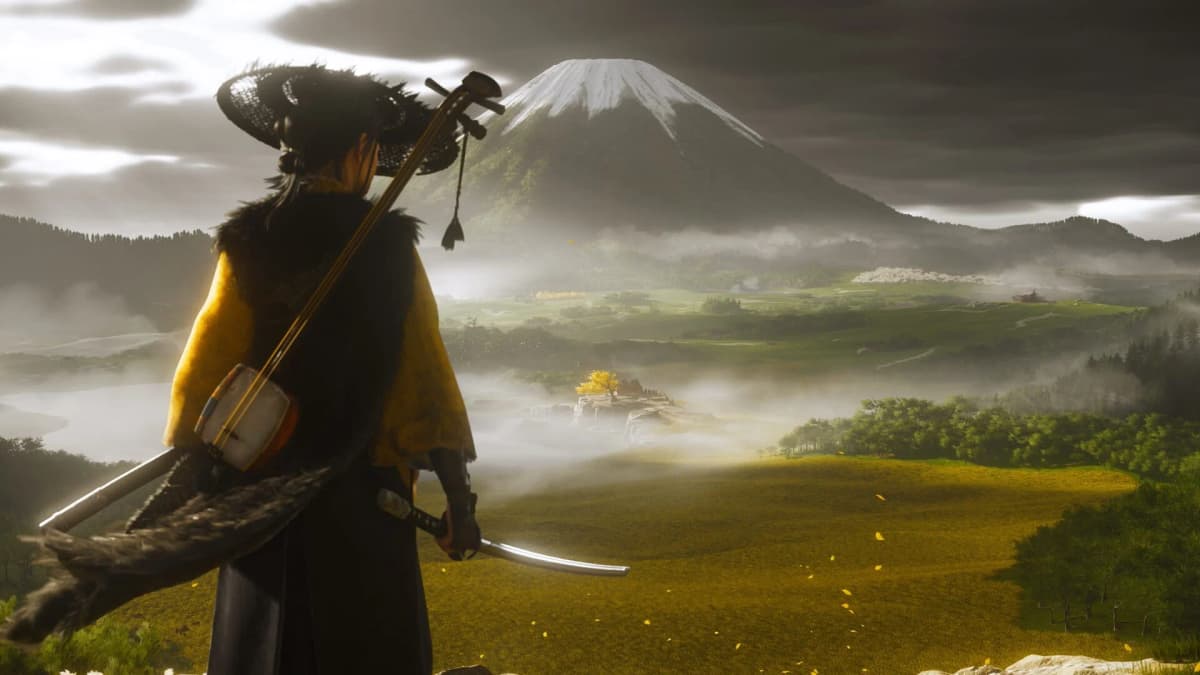
If Ghost of Yotei does not get a PC version-not at launch, not in the usual delayed-port window-then Sony is not tweaking its release calendar. It is reasserting the old PlayStation doctrine that blockbuster solo games exist first to make the console feel necessary. That would also put other reported examples, like Saros and potentially other narrative-heavy first-party projects, in the same bucket.
That is why this specific title matters more than the broader headline. Sony can always say it is evaluating projects case by case. Companies love that phrase because it means everything and nothing. But if Ghost of Yotei stays PS5-only, then players should assume “case by case” mostly means “single-player games stay home unless there is a very good reason to move them.”
The business logic is obvious, even if Sony will not say it that plainly
There are a few likely reasons Sony would make this move, and none of them require conspiracy-brain speculation. First, off-console revenue may simply have underperformed against expectations. Not failed outright. Underperformed. That is enough. Publicly traded companies do not need a strategy to collapse before they start cutting it back; they just need it to look less attractive than the alternative.
Second, Sony has spent the last few years in a weird balancing act. It wants growth beyond the console business, but it also cannot casually devalue the main reason people buy into PlayStation hardware. Microsoft can get away with saying the box matters less because Microsoft owns enough infrastructure, software, and services to survive that message. Sony does not have that luxury. PlayStation is the business. If the box stops feeling essential, the ripple effect is much bigger for Sony than it is for Xbox.
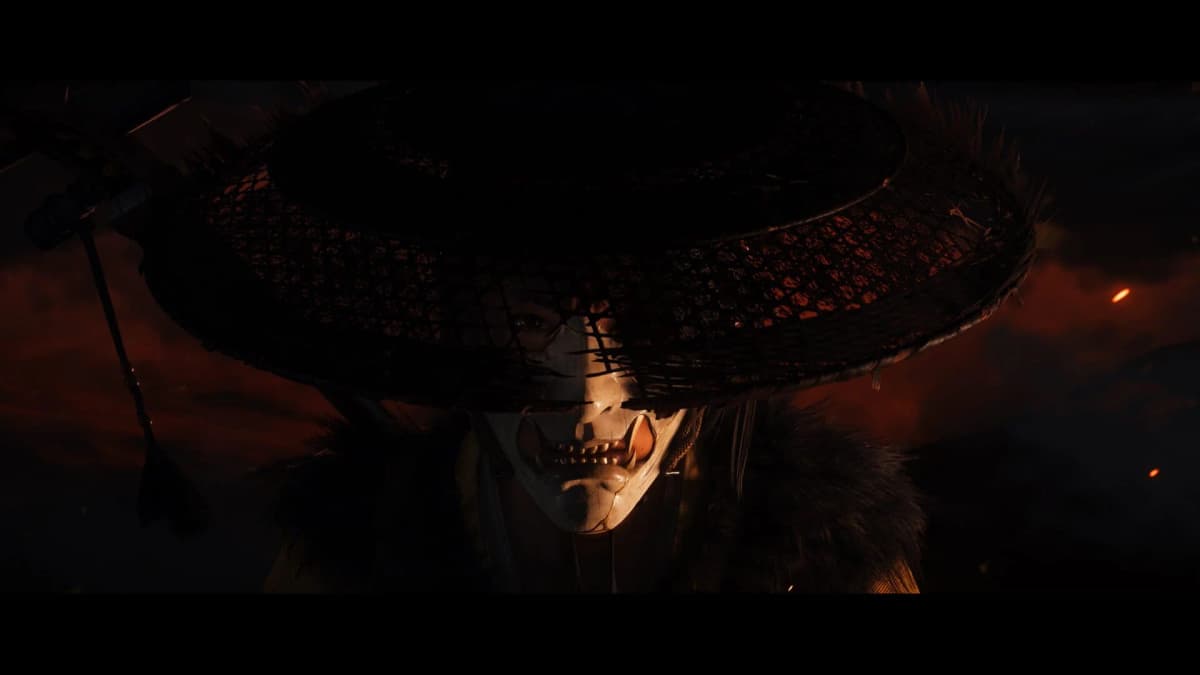
Third, the company may be separating “reach” from “identity.” Multiplayer games benefit from being everywhere because population is part of the product. A live-service title stranded on one platform is a self-own. Narrative single-player games work differently. Their strategic value often comes from scarcity, prestige, and the idea that PlayStation is where you go for that specific kind of blockbuster. Sony may have decided that putting those games on PC eventually generated cash, but also quietly trained players to wait.
And yes, that last part matters. Delayed ports can turn exclusivity into a temporary inconvenience rather than a buying trigger. For players, that is great. For platform strategy, less so. If enough people believe the big story-driven exclusive will hit PC later, then some percentage of them skip the console altogether. Sony does not need that number to be massive before it starts to care.
What Sony says and what PC players should actually hear
The clean corporate version of this strategy would be something like: we are focusing PC efforts where they make the most sense. Reasonable wording. Very executive. What PC players should hear is harsher: Sony appears to have decided that they are useful for some games, but not important enough to receive the company’s crown-jewel single-player lineup as a matter of policy.
That does not mean every PlayStation-adjacent release disappears from PC. The reporting consistently suggests multiplayer and live-service titles remain on the table. External publishing deals may also be unaffected. So this is not a full wall going up around all things PlayStation. It is a selective wall, which in practice can be even more annoying because it tells players exactly which games Sony thinks are too valuable to share.
The obvious PR question here is one Sony still needs to answer directly: is this a permanent policy, or a reaction to a recent set of sales numbers? Those are different stories. A permanent doctrine says PlayStation has fundamentally changed its view of PC. A temporary correction says some ports did not land the way Sony wanted, and now the company is overcorrecting until it feels safer. Right now, the public reporting supports the existence of a pullback, but not the exact duration or rigidity of it.
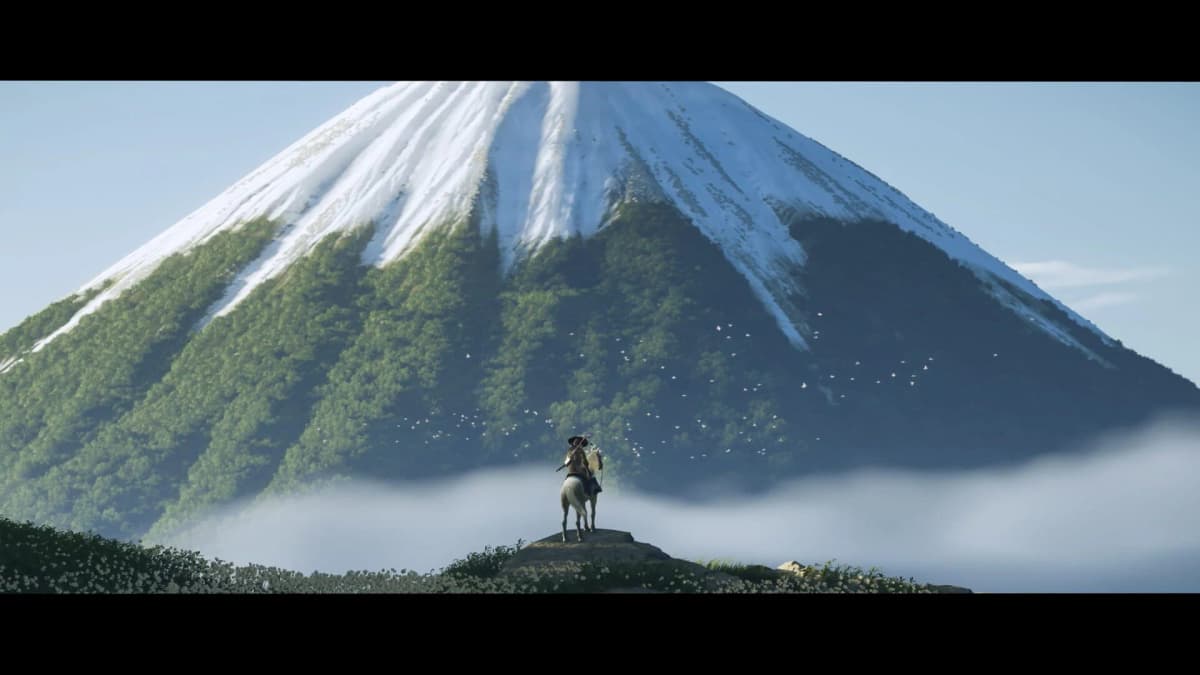
This also says something about the post-Helldivers mood inside PlayStation
There is a broader backdrop here. Sony spent years talking up expansion: PC, live service, transmedia, the whole modern platform-holder buffet. Then reality started trimming those ambitions down to size. Live-service plans became shakier. Some PC launches did not become transformative events. The old strength of PlayStation—single-player prestige exclusives—never stopped being the cleanest part of the company’s identity.
So this move, if confirmed in practice, reads less like innovation and more like retrenchment. Sony is going back to what it knows sells the brand. There is no shame in that, but let’s not pretend it is some bold new frontier. It is a defensive correction from a company that tested broader distribution and may have decided the upside was not worth diluting its hardware proposition.
That will frustrate PC players, and fairly so. Sony helped create the expectation that these games would eventually arrive. Walking that back after years of conditioning the audience is exactly how you burn trust while insisting you are just “realigning strategy.” Gamers have seen this movie before. The language changes, the incentives do not.
What to watch next
- The first real signal is whether Ghost of Yotei gets any PC mention at all in future marketing, investor messaging, or store metadata. Silence will be telling.
- Watch Saros and other upcoming PlayStation Studios narrative projects. If none of them get even a vague PC roadmap, the pattern is real.
- Keep an eye on multiplayer titles. If Sony still pushes those to PC, it confirms this is a segmentation strategy, not a blanket exit.
- Investor calls matter more than social posts here. If Sony starts emphasizing console ecosystem value, engagement, or hardware-driven software attachment over off-console growth, that is the language of a deliberate rollback.
- The most important missing detail is timing. “Not on PC” can mean never, or it can mean “not until the generation has moved on.” Sony has not publicly drawn that line in the reporting available so far.
For now, the safest read is simple. Sony does not appear to be leaving PC; it appears to be reserving its best single-player bait for the console business again. And if Ghost of Yotei stays behind that wall, treat it as policy, not an exception.
FinalBoss // Gear
Level up your setup
01Best-selling PS5 gameson Amazon→02DualSense controllerson Amazon→03PS5 SSD upgrades (M.2 NVMe)on Amazon→04Discounted game keyson Kinguin→Affiliate links · As an Amazon Associate, FinalBoss earns from qualifying purchases.
Want to Level Up Your Gaming?
Get access to exclusive strategies, hidden tips, and pro-level insights that we don't share publicly.
Ultimate Gaming Strategy Guide + Weekly Pro Tips