
After two decades of “it’s happening” followed by absolutely nothing, Sony has finally dragged the Metal Gear Solid movie out of development hell – and handed it to a brand-new franchise machine that doesn’t include Hideo Kojima.
That’s the real headline: not just that Metal Gear Solid is alive again at Sony’s Columbia Pictures, but that it now lives inside a carefully engineered pipeline built for safe, repeatable IP exploitation. Whether that’s compatible with one of gaming’s strangest, most personal series is the uncomfortable question here.
Table of Contents (8)
Key takeaways
- Sony has hired directing duo Zach Lipovsky and Adam B. Stein (Final Destination: Bloodlines) to helm the live-action Metal Gear Solid movie under their new Wonderlab banner.
- The film sits inside a first-look deal with Sony Pictures, with Avi and Ari Arad producing – the same producers behind Uncharted and a stack of other game/comic adaptations.
- Kojima’s involvement is completely unclear, and prior attachments like Jordan Vogt-Roberts and Oscar Isaac appear to be off the board.
- This isn’t just a one-off passion project; it’s Sony turning Metal Gear into another cross-media “tentpole” – which could easily sand off the series’ weird, anti-war edge.
Sony finally moves MGS out of limbo – but it’s a different project now
The basic news is straightforward. Sony Pictures and Columbia have cut a deal with directors Zach Lipovsky and Adam B. Stein to develop and direct a Metal Gear Solid feature. It’s part of a wider first-look arrangement for their new production company, Wonderlab, which will cook up multiple projects for Sony – one of them this movie.
Producers Avi and Ari Arad are still attached, as they’ve been through earlier incarnations of the project. Internally, Sony is reportedly treating Metal Gear as a “tentpole” – big budget, big expectations, intended to anchor a slate rather than quietly exist on the side.
If you’ve not kept up with this particular saga: Kojima first talked about a Metal Gear film way back in 2006. In 2014, Kong: Skull Island director Jordan Vogt-Roberts became the loud, very online champion of a faithful, properly weird adaptation. A script was “close,” Oscar Isaac was attached as Solid Snake for a while, and then… nothing. Years of updates with no greenlight, until both director and star quietly drifted away.
This new version is effectively a reboot of the movie project under different creative parents. Same IP, same studio, totally different context.
At the same time, Konami has been dusting off the games with the Master Collection (including Metal Gear Solid 2: Sons of Liberty – Master Collection Version) and a remake of Snake Eater. Sony picking now to finally move on the film isn’t coincidence. This is synergy season.
Wonderlab and the Arads: franchise factory mode engaged
On paper, Lipovsky and Stein make sense for Sony. Their recent work, Final Destination: Bloodlines, is all about elaborate set-pieces, visual suspense, and killing people in inventive ways – not a bad résumé for a series known for boss fights, stealth tension, and nuclear doomsday machines.
The more interesting part is the Wonderlab deal itself. This isn’t, “We found the perfect oddball auteur for Metal Gear.” It’s, “We just signed a multi-project, first-look agreement with a directing duo who can deliver slick genre work on time, and Metal Gear is one tile in that mosaic.” Other Wonderlab projects reportedly include things like an animated Venom. That tells you what kind of role Sony sees Metal Gear playing: another brick in the IP wall.
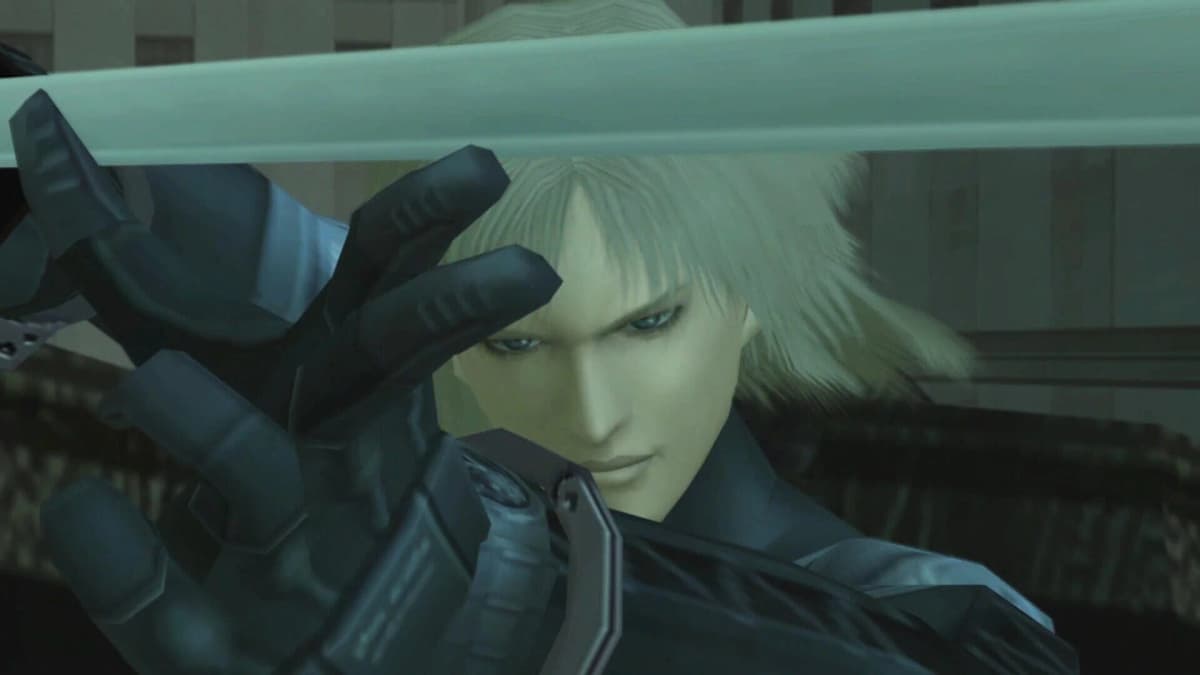
Then there’s the Arads. Avi Arad has been around forever – early Marvel movies, Spider-Man, and more recently a run of game and comic adaptations: Uncharted, Morbius, the upcoming Borderlands film. His approach tends to be workmanlike: take the core premise, smooth the edges, hit broad four-quadrant appeal, hope the brand recognition does the rest.
That gave us a perfectly watchable but completely safe Uncharted movie. It also gave us Morbius. Arad productions rarely crash so hard they take the IP down with them, but they almost never swing as hard as the source material did.
So when Sony Motion Picture Group president Sanford Panitch praises Lipovsky and Stein as “thrilling storytellers, masters of visuals and suspense,” you can read that as, “These guys can plug into our system.” That’s not automatically a bad thing – budgets get approved, sets get built, movies actually finish – but it does put Metal Gear firmly in franchise-engineering territory.
Metal Gear without Kojima’s fingerprints is a different beast
What’s conspicuously missing from all of this is any clear role for Hideo Kojima.
When HBO did The Last of Us, Neil Druckmann was co-showrunner. When Nintendo finally let Mario out of the theme park and into a new movie, Shigeru Miyamoto’s name was front and center. That’s the new template for game adaptations: keep the creator visible so fans believe this isn’t a corporate hijack.
Here, the messaging is all Sony, Columbia, Wonderlab, the Arads. Kojima is namechecked as the creator of the series, then quietly shuffled offstage. Given the well-documented nuclear divorce between Kojima and Konami, that’s not surprising. It’s also exactly why fans are twitchy about Konami monetizing Metal Gear again through remasters, remakes, and now film.
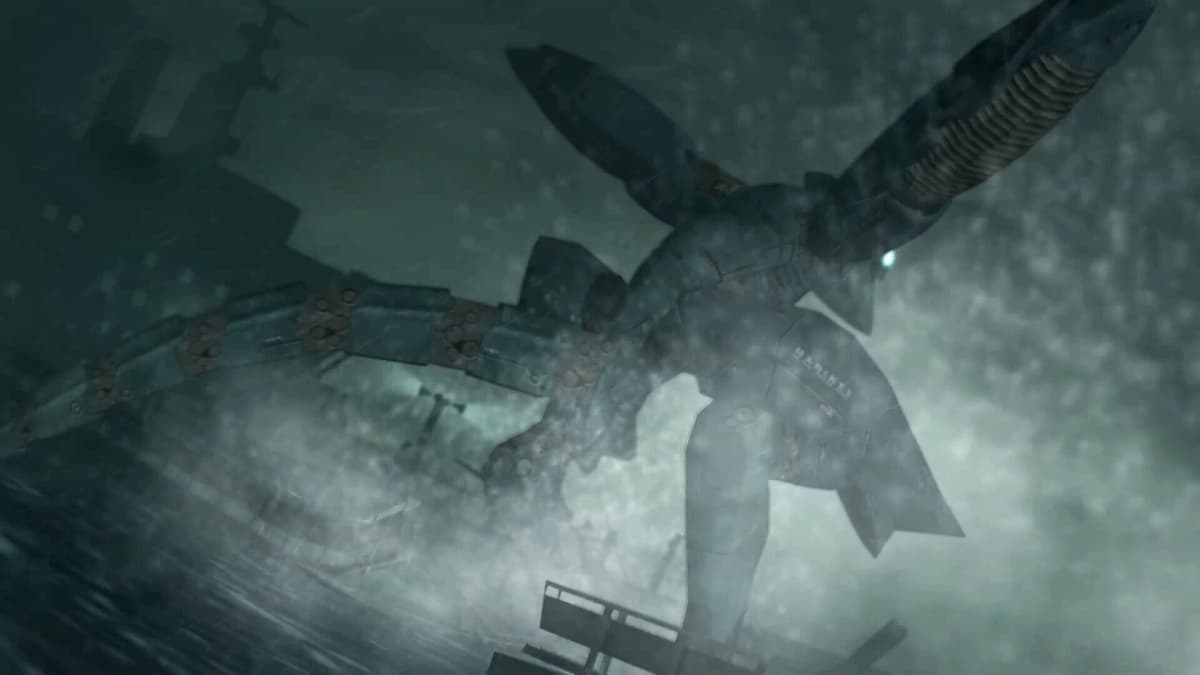
Yes, the movie will almost certainly adapt the original Metal Gear Solid on Shadow Moses. Yes, it will be “based on the game by Hideo Kojima.” But there’s a huge gap between adapting the plot and embracing what made those games feel like someone’s unfiltered, messy, anti-war brain dump.
Metal Gear is tonal whiplash: poop jokes and cardboard boxes one minute, nuclear deterrence theory the next. It openly hates war while making military hardware look cool. It breaks the fourth wall, lectures you via interminable Codec calls, and leaves you more suspicious of governments and corporations than when you went in.
Everything about this Sony setup – from the tentpole framing to the franchise-friendly producers – leans in the opposite direction: make Snake a badass action hero, make FOXHOUND colorful villains, sand down the bits that might annoy the Pentagon or confuse a Saturday night crowd.
If I had one question in a room with the PR team, it’d be this: Who, creatively, is going to fight for the parts of Metal Gear that don’t fit neatly into a standard Sony action movie?
The adaptation problem no one wants to solve on a conference call
Even if everyone involved means well, Metal Gear is a nightmare adaptation challenge.
Take Psycho Mantis. In the original game, he reads your memory card, comments on your save files, and forces you to swap controller ports to beat him. That’s not just a gimmick; it’s the game arguing with you about control and surveillance.
On film, you can’t do that literally – so do you drop it and just make him “a psychic boss fight,” or do you try to find a cinematic equivalent? Break the fourth wall? Mess with the audience’s sense of what’s real? That’s the kind of choice that will tell us if this is a real Metal Gear movie or just “generic stealth thriller with familiar character names.”
Then there’s the exposition. Metal Gear Solid survives on endless Codec calls and monologues about nukes, gene therapy, information control. You either compress that into a few blunt speeches and hope viewers keep up, or you rework the story into something much simpler.
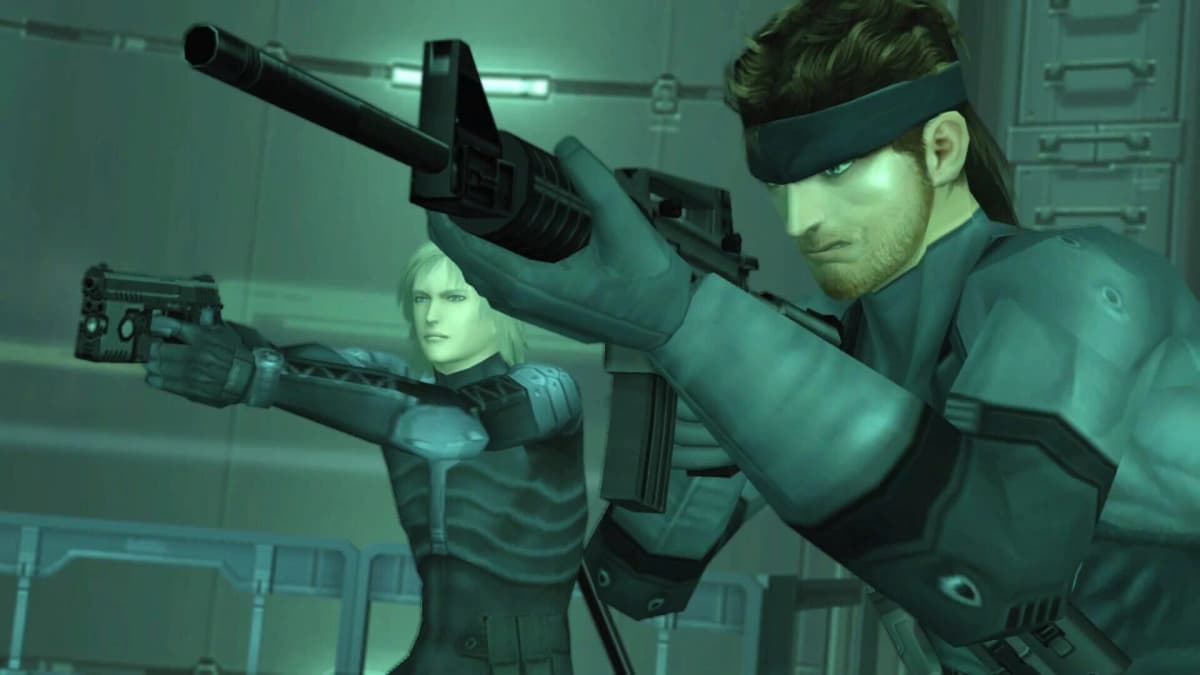
Lipovsky and Stein’s background in tension and set-pieces is a plus for infiltration sequences and boss arenas. What we haven’t seen from them yet is a dense political thriller that can juggle philosophy, black comedy, and melodrama without collapsing into nonsense.
If Sony lets them lean into the weird – really commit to the anti-war messaging and meta tricks – Metal Gear could stand out in the current wave of game adaptations. If they don’t, the safest path is also the most boring: turn Shadow Moses into a two-hour Tom Clancy movie with a cooler logo.
What success actually looks like for a Metal Gear movie
Sony will grade this on box office first, obviously. But for anyone who actually cares about the series, “it made money” isn’t the metric.
A successful Metal Gear movie does a few specific things:
- Lets Snake be tired, jaded, and morally conflicted – not just a quip machine with an eyepatch.
- Keeps the anti-war, anti-nuke spine intact instead of turning war into lifestyle branding.
- Finds a film-language way to do at least one properly meta moment that would make Kojima smirk.
- Resists the urge to cram in universe-building for sequels at the expense of making one coherent, strange story.
The uncomfortable truth is that Sony’s current setup could go either way. The deal structure and producers scream “franchise management.” The directors have the chops for tension and visual flair, but they’re stepping into one of the most overdetermined fandoms on Earth.
If this lands like the Uncharted movie – fine, forgettable, profitable – Sony will call it a win. For Metal Gear as a cultural thing, that would be a loss.
What to watch next
- Kojima’s credit (or lack of one): If future announcements mention him as a producer or consultant, that’s a big signal about how bold they’re willing to be. Total silence means Konami and Sony want maximum control.
- Snake casting: Whether Oscar Isaac is still in the mix or replaced, the casting choice and how the actor talks about Snake will tell you if this is “gritty operator” or “burned-out anti-hero.”
- Story logline: When Columbia finally releases an official synopsis, check how much of it is pure Shadow Moses versus generic “elite soldier infiltrates secret base” boilerplate.
- First teaser tone: Watch for the balance between gun porn and political paranoia. If the trailer plays like just another Sony action reel, temper expectations.
- Timing around the games: Keep an eye on how this lines up with Konami’s remakes and the ongoing Master Collection push. The closer they tie-in, the more this is marketing arm – and the less freedom it probably has.
TL;DR
Sony has revived the long-stalled Metal Gear Solid movie, handing it to Final Destination: Bloodlines directors Zach Lipovsky and Adam B. Stein under their new Wonderlab banner, with Avi and Ari Arad producing for Columbia. That moves Snake out of development hell and straight into Sony’s broader IP-franchise machine, with no clear role for Hideo Kojima in sight. The first real test will be whether the film keeps Metal Gear’s anti-war, fourth-wall-breaking weirdness intact, or trims it down into just another safe, forgettable action tentpole.
FinalBoss // Gear
Level up your setup
01Top-rated gaming headsetson Amazon→02High-refresh gaming monitorson Amazon→03Gaming chairson Amazon→04Discounted game keyson Kinguin→Affiliate links · As an Amazon Associate, FinalBoss earns from qualifying purchases.
Want to Level Up Your Gaming?
Get access to exclusive strategies, hidden tips, and pro-level insights that we don't share publicly.
Ultimate Gaming Strategy Guide + Weekly Pro Tips