
Sony Slams Tencent Over Light of Motiram – Horizon Clone or Legal Line in the Sand?
Game intel
Light of Motiram
Light of Motiram is an open-world survival game where you explore a world overrun by colossal machines, explore the vast open world, build your base of operati…
Why This Fight Actually Matters to Players
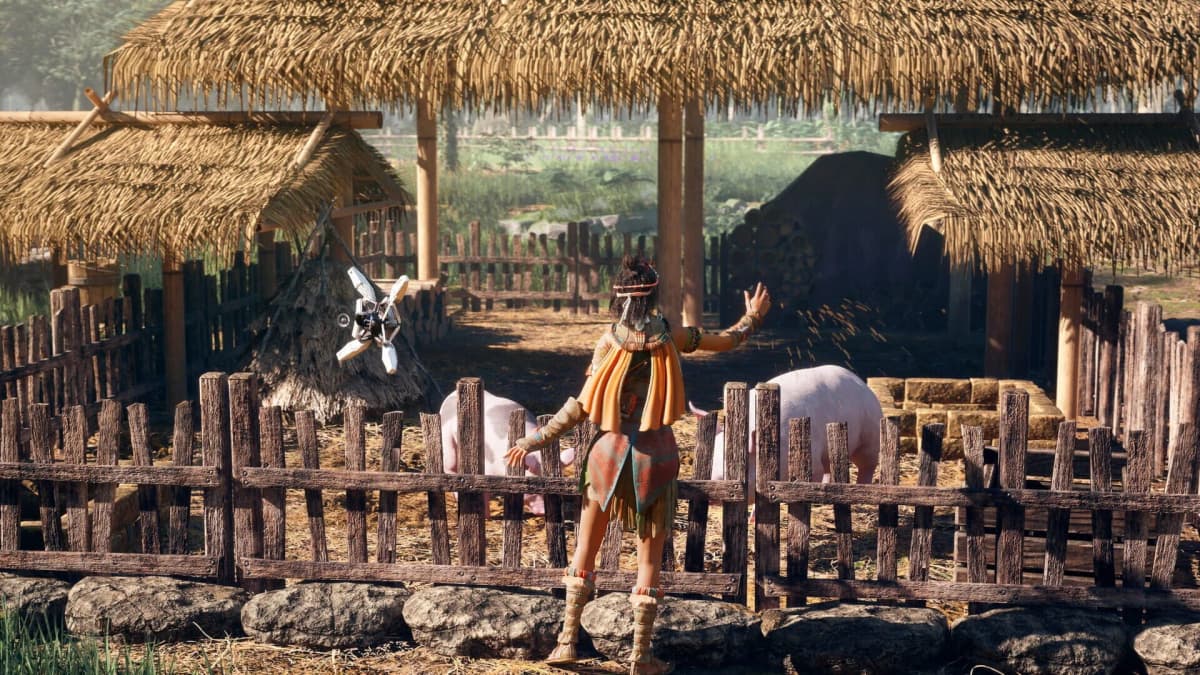
This caught my attention because Horizon isn’t just another open-world checkbox collector-it’s a franchise with a distinct identity: red-haired huntress, towering robo-fauna, tribal tech aesthetics, and that melodic, mournful sci‑fi vibe. When a new game pops up that looks like it’s tracing over Horizon’s silhouette, it’s not just déjà vu; it risks muddying the water for players and for Guerrilla’s future plans. Now Sony has gone on the offensive, filing a 35-page brief calling Tencent’s upcoming Light of Motiram “counterfeit,” and claiming the similarities aren’t just inspiration-they’re brand damage.
- Sony’s filing labels Light of Motiram a “counterfeit,” alleging it lifts protected Horizon elements and continued promotion despite objections.
- Tencent’s defense: Sony’s trying to monopolize a subgenre, and plenty of games-before and after Horizon—share similar DNA.
- The legal stakes are real: if courts see “protectable expression” copied, Steam pages can vanish and assets can be forced to change.
- For players, this could affect Light of Motiram’s release and, indirectly, Guerrilla’s Horizon roadmap, including rumored multiplayer projects.
Breaking Down Sony’s Filing
According to Sony’s memo (relayed by The Game Post), the tone is not subtle. Sony says Tencent’s recent claims are “nonsensical,” calling Light of Motiram a “counterfeit” and pointing out that small tweaks to the game’s Steam page aren’t enough. In Sony’s translated words: “The damage is done, and continues. Despite public confusion and outrage at Light of Motiram’s counterfeiting, Tencent did not yield. Tencent continued to promote its infringing game despite SIE’s objection, and refused to take responsibility for its conduct.”
Sony doubles down on harm to the Horizon brand: “Light of Motiram—a copy so blatant that the public has sharply denounced the use of Horizon’s protected elements—endangers Horizon’s continued success, including the franchise’s current expansion plans.” The filing cites media and fans calling it “a major plagiarism of Horizon,” “an obvious copy,” with a protagonist “looking like Aloy to perfection” and “extremely similar to Horizon Zero Dawn.”
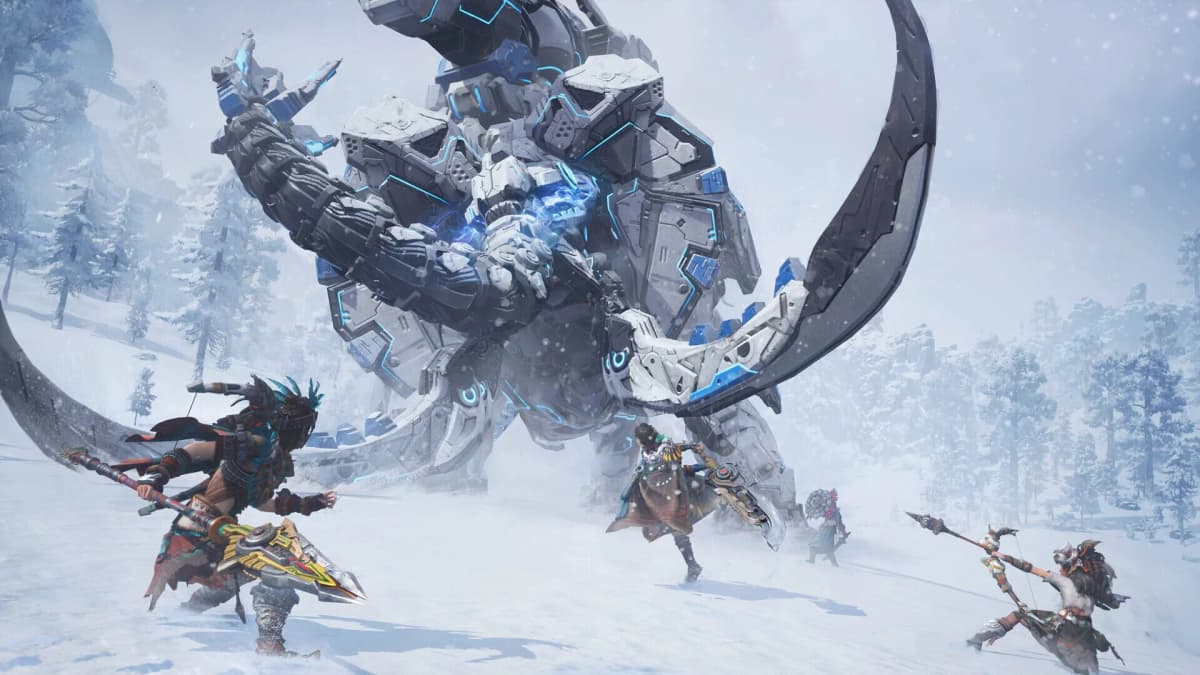
Tencent, for its part, previously argued Sony is trying to carve out a monopoly in a specific open-world flavor. It pointed to other titles across the years that share themes or mechanics, implying Light of Motiram isn’t singling out Horizon. That defense is familiar—and sometimes successful—because copyright protects expression, not broad ideas like “post-apocalyptic archery in a lush open world.” The question is whether Motiram crosses into copying Horizon’s protectable look-and-feel: character design, creature concepts, UI language, and distinctive art direction.
Inspiration vs. Imitation: Where Courts Tend to Draw the Line
We’ve seen this movie. Ubisoft’s complaint over Area F2 (a Rainbow Six Siege lookalike) led to that game getting pulled. PUBG Corp sued NetEase over Rules of Survival and Knives Out; that dispute eventually went quiet after changes. On the flip side, Genshin Impact wore the early “BOTW clone” tag and then proved it had its own identity. And Palworld stirred a global debate over Pokémon-like creature design without an actual lawsuit—so far.
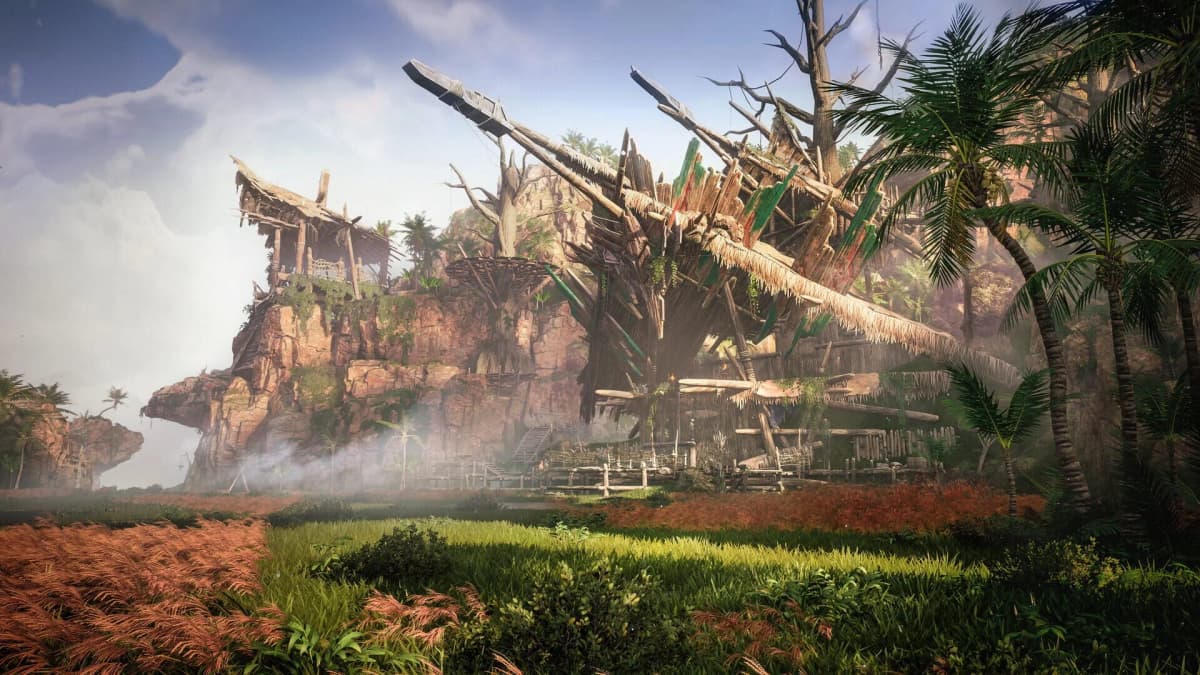
Legally, gameplay ideas are slippery to lock down, but copying specific, recognizable expression is a different story. Horizon’s “robotic megafauna + tribal tech + red-haired huntress” combo isn’t just a mechanic; it’s a signature. If Light of Motiram’s protagonist silhouette, enemy designs, and environmental motifs map too closely to Horizon’s, Sony has a case. If Motiram can demonstrate a distinct art direction, unique systems, and original worldbuilding, Tencent’s “genre, not clone” argument looks stronger.
As someone who sunk dozens of hours into Zero Dawn and Forbidden West, I don’t mind studios riffing on open-world hunting loops—more bow combat playgrounds, please. But when the lead looks like Aloy’s doppelgänger and the robo-fauna designs trigger instant Horizon recognition, that’s where my gamer gut says “too close.”
Tencent’s Corporate Maze and Sony’s Pushback
The filing also takes aim at Tencent’s corporate structure. Light of Motiram is being developed by Polaris Quest and Aurora Studios, entities associated with Tencent Technology (Shanghai) and Proxima Beta. Sony sued Tencent America, Proxima Beta U.S., and Tencent Holdings—prompting Tencent to argue Sony targeted the wrong companies. Sony’s counter? In translation: “After SIE was forced to file suit, Tencent tried to evade responsibility by using subterfuge with its brands and entities… Tencent Holdings describes its business as having a Gaming division that ‘owns Aurora Studios,’ the developer of Light of Motiram… and uses the Tencent name to promote its games, without distinguishing among subsidiaries.”
That’s classic jurisdiction chess. Multinationals often try to keep liability corralled in specific regions, while opponents argue there’s one brand, one decision-maker. How the court interprets that will decide where the fight happens—and how quickly anything gets pulled from storefronts.
What Gamers Should Watch Next
Practically, this could go a few ways. A quiet settlement with cosmetic changes (new character model, altered creature designs, refreshed marketing) is common. A harder line could trigger DMCA strikes or platform pressure, leading to delistings or delayed releases. Tencent has reportedly tweaked the Steam page already, which suggests it knows some parts cut close to the bone.
For Horizon fans, Sony’s mention of “current expansion plans” is the real tell. Guerrilla has openly talked about an online co-op project in the Horizon universe, and a third mainline game feels inevitable after Forbidden West and Burning Shores. Sony clearly thinks brand confusion could blunt hype for whatever’s next. Whether that’s legal posturing or a genuine risk depends on how derivative Motiram actually is when the dust settles.
If you were eyeing Light of Motiram out of curiosity, just know you might be wishlisting a moving target. Worst case, it vanishes or re-emerges with changed art. Best case, it proves it has its own voice—new enemies, fresher lore, and combat systems that don’t feel like a Horizon mod. Either way, this clash is a reminder that “inspired by” is fine; photocopy vibes are not.
TL;DR
Sony calls Tencent’s Light of Motiram a blatant Horizon knockoff and is taking it to court. Tencent says Sony’s trying to monopolize a subgenre. The outcome will hinge on whether Motiram copied Horizon’s protectable expression—or can prove it’s more than a robo-dino remix. Gamers should expect possible changes, delays, or a settlement-driven makeover.