
Is Tencent’s ‘Light of Motiram’ Just ‘Horizon’ in Disguise?
Game intel
Light of Motiram
Light of Motiram is an open-world survival game where you explore a world overrun by colossal machines, explore the vast open world, build your base of operati…
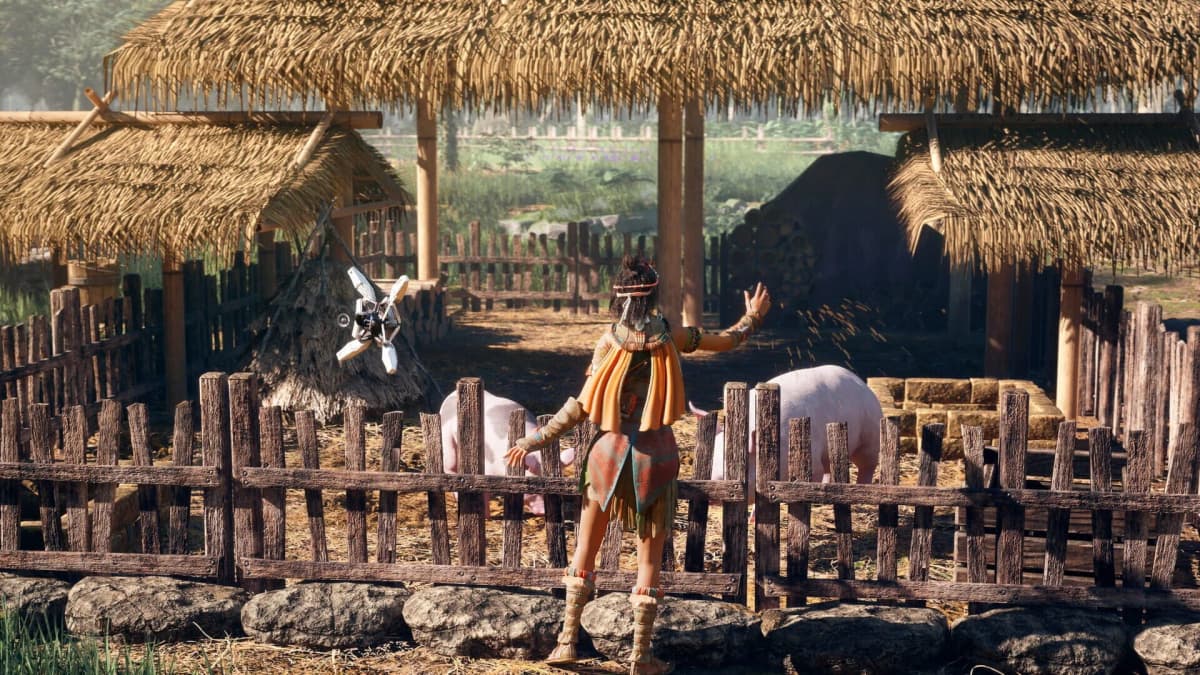
When Sony Interactive Entertainment filed suit on July 25, 2025, against Tencent’s Polaris Quest studio—calling Light of Motiram a “pale copy” of its hit Horizon franchise—it set off a landmark fight over where creative inspiration ends and copyright infringement begins. From gamers stalking robo-dinosaurs to developers nervously eyeing IP law, everyone’s tuning in to see whether homage will be treated as theft.
The Spark Behind the Suit
According to Sony’s complaint, Tencent pitched a licensing deal for Horizon in 2024 and was rebuffed. Undeterred, Polaris Quest released trailers for Light of Motiram that Sony claims lift core elements of its blockbuster series—from tribal-tech tribes and scavenger-gather loops to bow-and-arrow encounters with mechanical wildlife. Fans joked online, “It’s Horizon under a fresh coat of paint,” and Sony decided to take the matter to court.
From Aloy’s World to Motiram’s Frontier
The Horizon saga, built by Guerrilla Games and published by Sony Interactive Entertainment, began with Horizon Zero Dawn (2017). Players guided Aloy, a red-haired heroine wielding a “Focus” scanner to uncover lost technology, using bows, traps and skill trees to topple giant robo-beasts. Its sequel, Horizon Forbidden West (2022), expanded the horizons—literally—adding underwater ruins, towering redwoods and sky-borne foes like the Stormbird. Cinematic vistas and deep lore cemented its reputation.
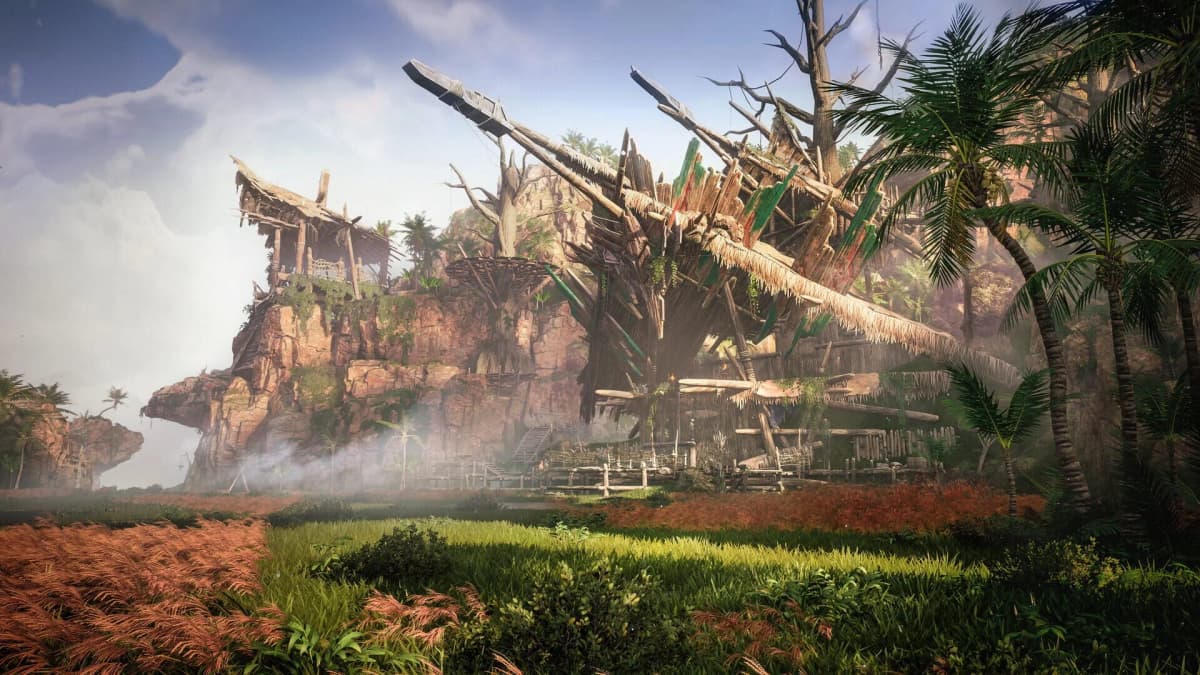
By contrast, Polaris Quest’s Light of Motiram promises a similar formula: a resourceful female lead navigating tribal-tech settlements, harvesting resources and battling robotic creatures across sunlit plains. Though still in development with no firm release date, it has already drawn tens of thousands of wishlists on Steam. Sony’s legal filings argue that the resemblance goes well beyond shared genre tropes.
Breaking Down Sony’s Claims
Filed in the U.S. District Court for the Central District of California, Sony’s lawsuit centers on copyright and trademark infringement. Key allegations include:
- Design echoes: Red-tinted hair, tribal face paint and leather armor that mirror Aloy’s signature look.
- Mechanics overlap: A portable scanner device, resource-gather loops and bow-and-arrow combat strikingly similar to Horizon’s innovations.
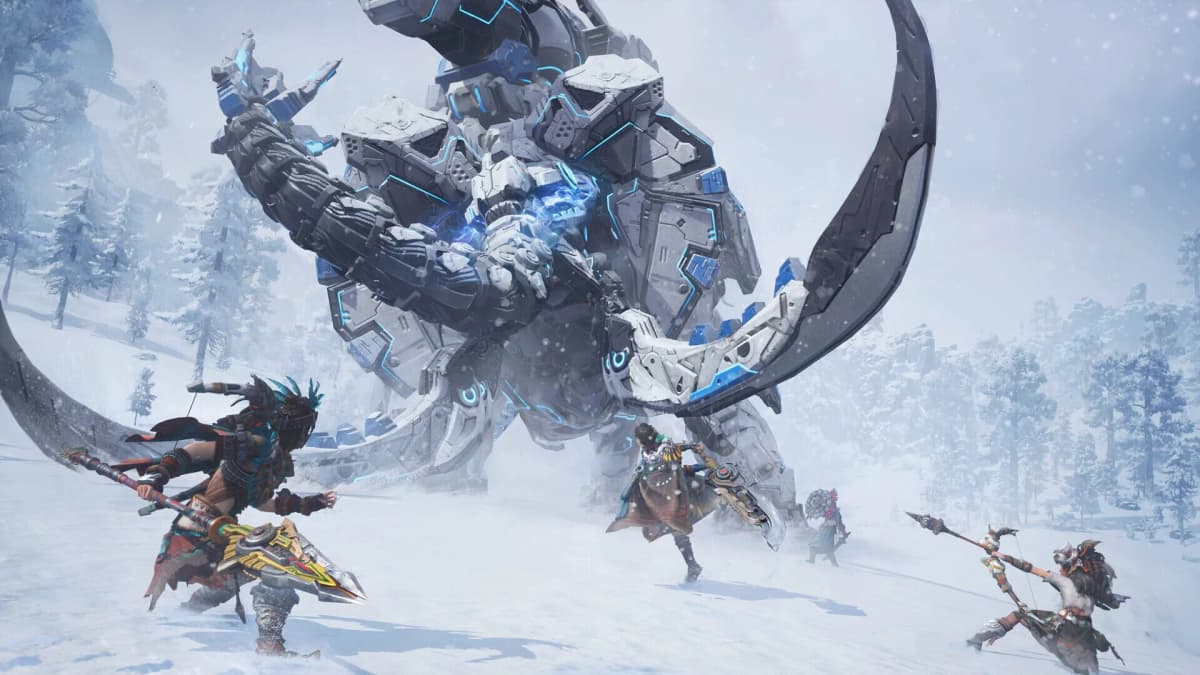
- Creature behavior: Mechanical beasts in Motiram allegedly follow patrol patterns and attack scripts matching those of Horizon machines.
- Marketing parallels: Taglines, trailer pacing and quest structures Sony says risk confusing consumers.
Sony is seeking up to $150,000 in statutory damages per infringing work and a preliminary injunction that could block Light of Motiram from digital storefronts until the dispute is resolved—potentially delaying its Steam launch indefinitely.
Tencent’s Likely Defense
Tencent has stayed mum in public, but insiders suggest Polaris Quest will argue these elements are genre staples. Tribal societies coexisting with futuristic tech, open-world exploration and bow combat have long been part of action RPGs. Expect Polaris Quest to highlight original storylines, unique worldbuilding and interface tweaks as proof of independent creation. Whether courts accept those distinctions will be pivotal.
Legal Precedents and Industry Stakes
High-profile clashes—from Nintendo vs. Palworld over Pokémon-style creatures to Blizzard’s actions against World of Warcraft-themed mods—set the stage. “This lawsuit could redefine how closely developers must tread when drawing inspiration,” says a gaming-industry attorney who asked to remain anonymous. An IP analyst adds, “A Sony win may give big publishers sweeping power to police loose resemblances, while a Tencent victory could embolden studios to push genre conventions without fear of litigation.”
Want to Level Up Your Gaming?
Get access to exclusive strategies, hidden tips, and pro-level insights that we don't share publicly.
Ultimate Gaming Strategy Guide + Weekly Pro Tips
Community Reaction and Creative Fallout
Online communities are split. On Reddit’s r/gaming, some applaud Sony for defending its innovations, while others warn this could chill creativity. Twitter saw #SaveMotiram trending alongside #ProtectAloy as fans debated whether robotic dinosaurs and tribal motifs are corporate property or shared genre DNA.
Independent developers worry most. “If broad design themes can attract lawsuits, small teams will default to safe, generic assets rather than experiment,” says one indie dev on condition of anonymity. “The real casualty is diverse, bold worlds.”
Impact on Developers and Players
A Sony victory might prompt stricter curation on digital storefronts, rejecting titles deemed too similar to blockbusters. While this could stem blatant knock-offs, it risks narrowing indie innovation. On the flip side, a win for Tencent could unleash a wave of “Horizon-inspired” adventures, blurring lines of fair use.
Smaller studios, lacking deep legal coffers, could be forced into formulaic designs, while major publishers continue factoring potential lawsuits into budgets—fortifying their market positions.
What’s Next?
Both sides now prepare for discovery. Sony must pinpoint which creative elements are exclusively theirs; Tencent must prove genre conventions can’t be monopolized. A preliminary injunction hearing is expected later this year, with a full trial possibly in 2026. The verdict will ripple across the industry, influencing how freely worlds can be built and how boldly designers can draw inspiration.
Key Takeaways
- The case tests the boundary between homage and unlawful copying in AAA game development.
- Sony seeks hefty damages and an injunction to stall Light of Motiram’s release.
- A Sony win could tighten IP enforcement; a Tencent win may loosen creative constraints.
- Developers, from indie to AAA, will watch closely—this could reset industry standards.
TL;DR
Sony’s lawsuit against Tencent over Light of Motiram could redefine the line between inspiration and infringement in games. The verdict will shape legal strategies, creative freedom and the open worlds we explore next.