
The PS5 generation just broke one of console gaming’s oldest unwritten rules: hardware is getting more expensive the longer it’s on shelves, not cheaper. Sony says that’s the cost of surviving 2026’s memory crunch and global economic mess – and it’s making players bankroll that decision.
Table of Contents (9)
Key takeaways
- PS5, PS5 Pro and PlayStation Portal all jump in price globally on April 2, with PS5 models up by $100 / €100 and PS5 Pro by $150.
- This is at least the third PS5 price increase since launch and the second in under a year, flipping the usual “mid-gen price cut” script.
- Sony is explicitly blaming global economic pressure and rising memory/component costs, as AI data-center demand starves consumer hardware.
- The hike quietly sets expectations for more expensive next-gen consoles if memory and manufacturing costs stay where they are.
Yes, your PS5 just got $100 more expensive
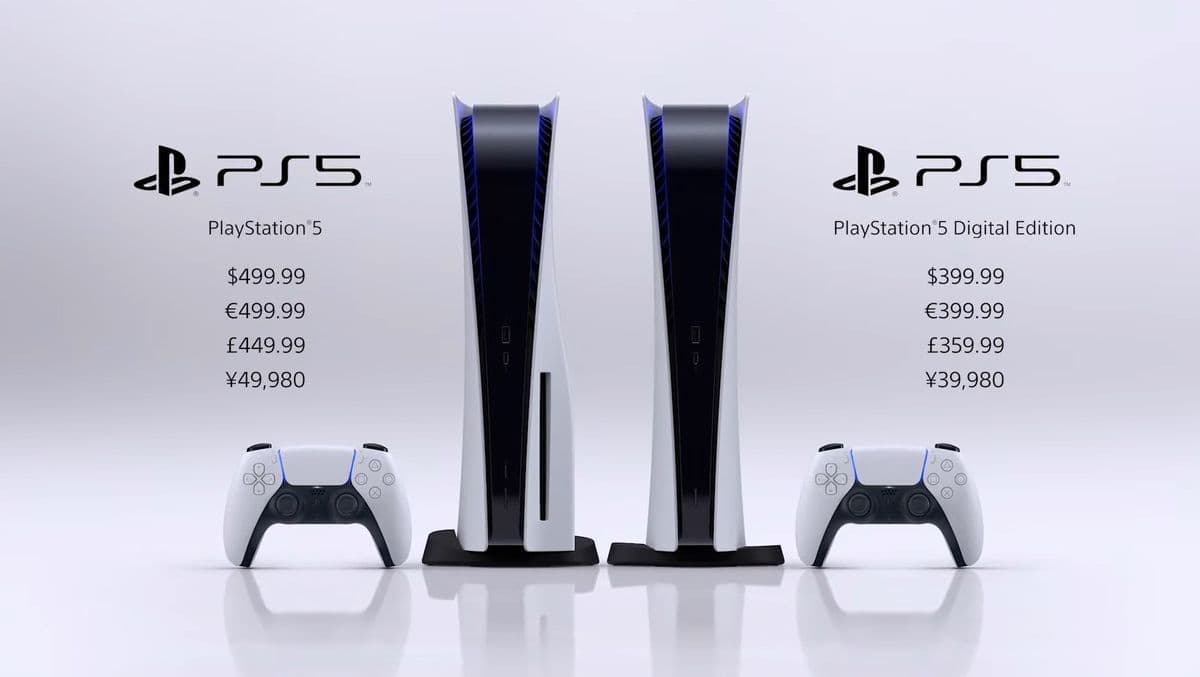
Starting April 2, 2026, Sony’s official MSRP for every PS5 model goes up in most major regions. Existing stock on shelves keeps the old sticker until retailers cycle through it, but anything entering the channel from that date forward is priced higher.
Across reports from GamesIndustry.biz, The Verge, Vandal and AnaitGames, the new pricing shakes out like this:
United States
- PS5 (disc): $649.99 (was $549.99)
- PS5 Digital Edition: $599.99 (was $499.99)
- PS5 Pro: $899.99 (was $749.99)
- PlayStation Portal: $249.99 (was $199.99)
United Kingdom
- PS5: £569.99 (was £479.99)
- PS5 Digital Edition: £519.99 (was £429.99)
- PS5 Pro: £789.99 (was £699.99)
- PlayStation Portal: £219.99 (was £199.99)
Europe (eurozone)
- PS5: €649.99 (was €549.99)
- PS5 Digital Edition: €599.99 (was €499.99)
- PS5 Pro: €899.99 (was €799.99)
- PlayStation Portal: €249.99 (was €219.99)
Japan
- PS5: ¥97,980 (was ¥79,980)
- PS5 Digital Edition: ¥89,980 (was ¥72,980)
- PS5 Pro: ¥137,980 (was ¥119,980)
- PlayStation Portal: ¥39,980 (was ¥34,980)
The short version: PS5 and PS5 Digital are climbing by around $100 / €100 / £90 / ¥18,000. PS5 Pro is jumping by about $150 / €100 / £90 / ¥18,000. PlayStation Portal sees a smaller but still noticeable bump of roughly $50 / €30.
AnaitGames points out this is the third PS5 price rise since launch in 2020. The console went up €50 in parts of the world back in 2022, and again in 2025 for specific models and regions. The Verge notes that in North America, this is the second increase in under a year after last August’s $50 hike.
Either way you count it, we’re in uncharted territory: a platform holder repeatedly ratcheting prices up mid-generation, not down.
Sony blames memory and “the economy” – here’s what that really means
The official line from Sony, repeated across its blog and quoted by outlets, is “continued pressures in the global economic landscape.” Translated out of PR: memory and key components are more expensive, shipping and manufacturing haven’t really normalized, and they don’t want to eat those costs.
SIE VP Isabelle Tomatis adds that the move was a “necessary step to ensure we can continue delivering innovative, high-quality gaming experiences to players worldwide.” Spanish sites like Vandal and AnaitGames quote the same explanation in their language: “presiones continuas en la economía global” and a careful evaluation that concluded the hike was needed to keep funding hardware and experiences.
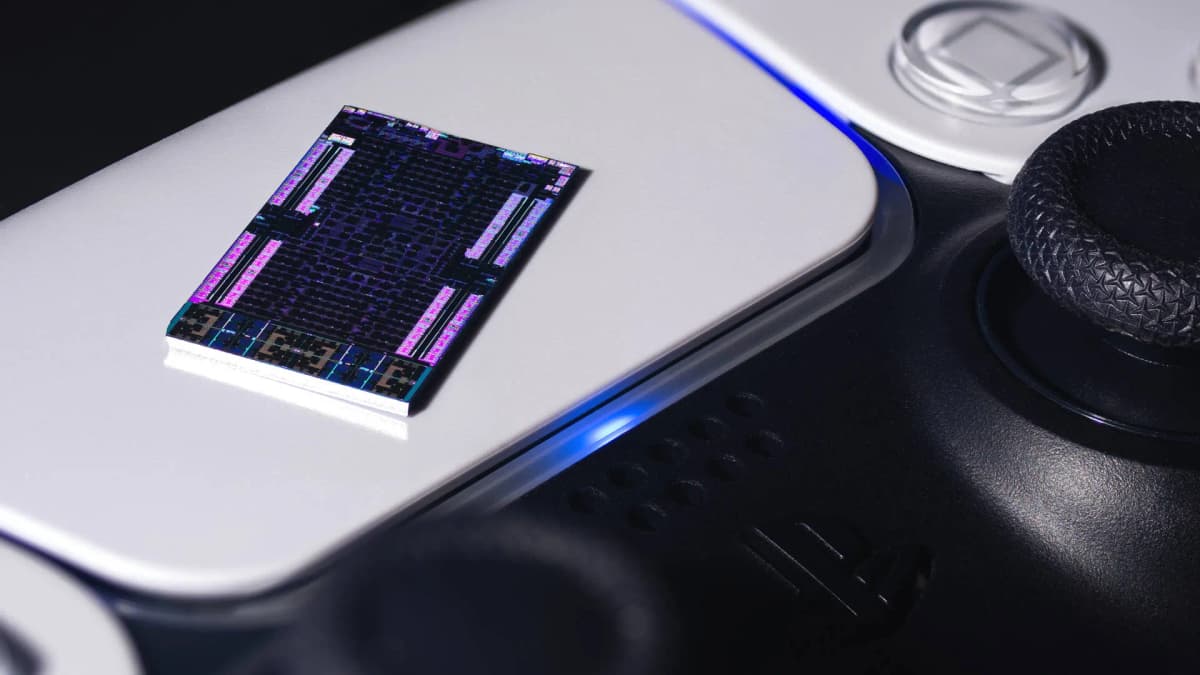
Underneath the corporate phrasing there’s a real problem: the AI boom is wrecking the normal console parts market. Memory makers are chasing fat margins from data centers and AI infrastructure. When hyperscalers are throwing money at high-end DRAM and NAND, the stuff that goes into consoles and handhelds gets relatively more scarce and more expensive.
That matches what analysts have been saying for months: consumer hardware is competing directly with AI servers for the same silicon. If you’re Sony and you’re not Nvidia, you don’t get first dibs. You get a higher invoice instead.
Layer on top of that:
- Inflation in logistics and labor since COVID.
- Tariff whiplash – the 2025 hike was explicitly linked to US trade policy and import duties.
- A softer-than-hoped 2025 holiday season for consoles, which GamesIndustry.biz notes as part of Sony’s current backdrop.
All of that narrows the already thin margins on hardware. Consoles have historically been sold at break-even or a small loss early on, then become profitable as parts get cheaper and the platform scales. That curve has bent the wrong way this generation.
The uncomfortable bit Sony never says out loud: they’re still making money in aggregate, especially on software, services and accessories. This isn’t a “we die if we don’t raise prices” move; it’s a “we refuse to let hardware margins erode any further” move. The memory crunch and economic fog just make that stance easier to sell to investors and easier to justify to players.
A generation that punished late adopters instead of rewarding them
Traditionally, waiting to buy a console was smart. PS3 launched at $599 and ended its life as a cheap Netflix box. PS4 started at $399, then Slim models and bundles made it more affordable year after year.
PS5 flipped that script. If you held off through the stock shortages and scalper era expecting a deal, you’re now staring at a higher MSRP than launch in many regions. AnaitGames tallies three official increases in Europe since 2020; The Verge counts two hikes in a year in the US. This isn’t “wait for the price cut.” It’s “buy before the next rise.”
And it’s not just Sony. Microsoft raised Xbox Series X/S prices in several markets and nudged first-party game prices up to $70. Nintendo, famously allergic to discounting hardware, pushed The Legend of Zelda: Tears of the Kingdom to a higher-than-usual MSRP and raised Switch prices in some territories as currency and costs moved against it.
What’s different with Sony right now is scale and timing. We’re six years into the generation, with a mid-gen refresh already on shelves in the PS5 Pro, and instead of a cheaper Slim you’re now looking at:
- A “base” PS5 that costs $649.99 / €649.99.
- A supposedly high-value Digital model at $599.99 / €599.99 — without the resale or physical discount upside of discs.
- A PS5 Pro at $899.99, nudging into high-end GPU territory for PC players.
Analysts quoted across coverage are already warning this will dampen console market growth in 2026. Epic has cited sluggish console sales as one factor in its recent job cuts. Higher sticker prices don’t fix that; they trade short-term margin stability against install-base momentum.
The quiet winner here might be the second-hand market. As official MSRPs rise, used PS5s become relatively more attractive, and retailers who thrive on pre-owned stock get a little more leverage. Scalpers, ironically, have less room to operate when “over MSRP” starts to look like “what a high-end GPU costs anyway.”
This is also about the PS6, even if Sony won’t say it
None of the official statements tie this hike directly to next-gen hardware, but the timing isn’t accidental. Sony has already talked publicly about working with AMD on its next custom SoC. That R&D spends money long before you ever see a teaser trailer.
If you’re Sony’s finance team looking at:
- More expensive memory driven by AI demand.
- More expensive nodes for advanced chips.
- A user base trained to expect 4K/60 as table stakes and ray tracing on top.
…then the idea that the next box launches at $499 starts to look optimistic. Today’s hike does two things:
- It buys breathing room now — keeping PS5 and PS5 Pro from becoming loss-leaders again if parts stay high.
- It nudges the entire market up a notch so that a higher PS6 launch price, if it comes, doesn’t feel as shocking.
Sony’s messaging leans hard on “continuing to deliver innovative, high-quality experiences.” The read between the lines is simple: if we want to keep pushing visuals and physics with custom silicon instead of off-the-shelf streaming boxes, someone has to pay for that engineering. They’re choosing not to subsidize it heavily anymore.
The question I’d put to Sony’s hardware leads: at what point does the console stop being “cheap, fixed hardware” and just become a locked-down, less flexible PC you’re charging PC prices for? PS5 Pro at $899.99 is where you start flirting with that perception.
PlayStation Portal gets caught in the crossfire
PlayStation Portal, Sony’s remote-play handheld, is also going up in price — from $199.99 to $249.99 in the US, with similar bumps elsewhere. Vandal pegs the new euro price at €249.99, up from €219.99.
Unlike PS5, Portal is a nice-to-have accessory, not the platform itself. At $200, it was already fighting against devices like the Backbone, Android handhelds and cheap used Steam Decks for your streaming and remote-play budget. At $250, it walks into the crossfire of “real” handheld PCs and cheaper cloud solutions.
Sony’s logic is consistent: Portal uses the same kinds of screens, memory and wireless components that have all gotten pricier. But unlike the console, there’s no ecosystem lock-in argument here. If Portal sales slow after the hike, don’t be shocked if it quietly spends more time in “permanent discount” land going forward.
If you’re on the fence, this is your window
The small bit of good news is that this isn’t a retroactive sticker swap. As GamesIndustry.biz notes, the new prices are tied to retail rollout on April 2. That means:
- Any PS5 already sitting in a warehouse or on a shelf today is technically still the old price.
- Retailers may run promos to clear older, lower-MSRP inventory before or just after the switch.
- Online stores with slow updating systems sometimes lag a few days on price changes.
If you were planning to buy a PS5 or PS5 Pro “sometime this year,” the decision just got simpler: either you move before that April 2 cutoff, or you accept the new, higher baseline. There’s no real reason to expect a price cut after this; all the pressure is still on the cost side.
If you’re looking at PS5 Pro specifically, the value question is even sharper now. At $899.99, the console’s pitch is basically: you’re paying more than launch price for a mid-gen refresh in a generation that already charged you more for software. If you care about the best console visuals and you’re deep into the PlayStation ecosystem, that can be justified. If you’re price-sensitive, it starts to look like high-end PC money for locked hardware.
What to watch next
- April-June 2026 sales numbers: Sony’s next quarterly report will show whether the higher prices meaningfully slow PS5 unit growth.
- Microsoft and Nintendo’s responses: If either competitor raises prices this year, this stops being a Sony story and becomes a generational reset on console pricing.
- Memory market signals: Any sign that DRAM/NAND supply is loosening — or that AI demand is cooling — will undercut the “we had no choice” narrative for future hikes.
- Next-gen hardware teases: When Sony next talks about its AMD-based successor SoC, pay attention to how much they emphasize cost versus power. That’ll telegraph where PS6 lands on price.
- Discount patterns around the holidays: If Black Friday 2026 deals quietly walk the prices back toward current levels, you’ll know this hike was partly about having headroom to “discount” later.
TL;DR
Sony is raising global prices for PS5, PS5 Pro and PlayStation Portal from April 2, blaming continued economic pressure and more expensive memory and components. It’s the latest in a series of hikes that have made this the first console generation where waiting to buy has actually cost you more. Watch how Xbox and Nintendo react, and whether 2026 sales soften enough to force Sony back toward more traditional, consumer-friendly pricing.
FinalBoss // Gear
Level up your setup
01Best-selling PS5 gameson Amazon→02DualSense controllerson Amazon→03PS5 SSD upgrades (M.2 NVMe)on Amazon→04Discounted game keyson Kinguin→Affiliate links · As an Amazon Associate, FinalBoss earns from qualifying purchases.
Want to Level Up Your Gaming?
Get access to exclusive strategies, hidden tips, and pro-level insights that we don't share publicly.
Ultimate Gaming Strategy Guide + Weekly Pro Tips