
After two decades of empty promises and abandoned scripts, Metal Gear Solid is finally crawling out of development hell – and the team Sony just put in charge says more about the movie’s future than any logline ever will.
Table of Contents (7)
Key takeaways
- Sony Pictures and Columbia have locked in Zach Lipovsky and Adam B. Stein (Final Destination: Bloodlines) to direct a live-action Metal Gear Solid as part of a studio-wide first-look deal.
- The duo will work through their new company Wonderlab, with franchise wranglers Avi and Ari Arad producing – a classic “IP pipeline” setup, not a one-off passion project.
- Hideo Kojima’s involvement, if any, is completely unclear, and earlier buzz around casting (like Oscar Isaac) has gone radio silent.
- This move all but guarantees a big, commercial tentpole – the real question is whether Sony will keep Metal Gear’s weird, anti-war DNA or flatten it into a generic military thriller.
This isn’t just a director hire, it’s Sony claiming Metal Gear as a tentpole
On paper, the headline is simple: Sony has signed Lipovsky and Stein — the duo behind 2025’s Final Destination: Bloodlines — to direct a live-action Metal Gear Solid movie for Columbia Pictures. In practice, this came bundled with a bigger move: a studio-wide first-look deal with their newly formed production banner, Wonderlab.
That matters. A one-off hire says, “Let’s finally shoot this thing.” A first-look deal says, “We’re building a pipeline.” According to multiple reports, Wonderlab isn’t just handling Metal Gear; they’re also circling other commercial genre projects under Sony’s umbrella, including an animated Venom movie. MGS is being slotted into a broader IP machine, not treated as some fragile, one-of-a-kind experiment.
Sony has been here before. Uncharted, Gran Turismo, The Last of Us (via HBO but still PlayStation Studios) — the company has spent the last decade turning its catalogue into “transmedia.” The difference is that Metal Gear is both more ambitious and more radioactive than most of those games. It’s literally a series about the horrors of the military-industrial complex, now being packaged as a potential four-quadrant blockbuster for the same system it critiques.
When a studio quietly calls something a “tentpole,” what they’re really saying is: this has to play broad. That’s the tension this project is now built on.
Metal Gear without Kojima: what gets lost when you sand down the edges?
Let’s state the obvious: Metal Gear is Hideo Kojima’s brain on film already. Fourth-wall breaks, hour-long cutscenes, speeches about genes, memes, and nuclear deterrence. The original PS1 game is basically a 1998 Hollywood thriller rewritten by a guy who obsessively watched that era of cinema and then decided to one-up it.
Now we’re getting the Hollywood version of the video game that was already Kojima’s version of Hollywood. If he’s not meaningfully involved, you’re watching a copy of a copy.

None of the trade reports so far mention Kojima as a producer, consultant, or anything else. Given his very public divorce from Konami and his busy schedule with Death Stranding 2 and OD, that’s not shocking. But it does raise the core creative question nobody in PR wants to touch: is this allowed to be as strange and pointed as Metal Gear actually is?
We’ve seen what happens when you strip the author out of a heavily authored game. Halo on Paramount+ treated the games as loose inspiration and alienated a chunk of the fanbase. Netflix’s The Witcher started strong with Sapkowski’s framework, then drifted as the creative center moved. These projects still found audiences, but they didn’t feel definitive.
Metal Gear is more fragile than either of those. Remove the meta jokes, the anti-war sermonizing, the tonal whiplash from slapstick to atrocity and back again, and you’re left with: guy sneaks into base, foils nuclear plot. That logline could be any mid-tier action movie on a streaming carousel.
If I had one question for Sony’s PR team, it would be straightforward: is Kojima being offered real creative input, or is this purely Konami and Sony steering the ship? The answer will tell you instantly how weird this movie is allowed to be.
The Arad factor: Marvel pedigree, very mixed adaptation history
Producers Avi and Ari Arad are still attached, as they’ve been through the project’s many incarnations. That’s both reassuring and a little worrying.
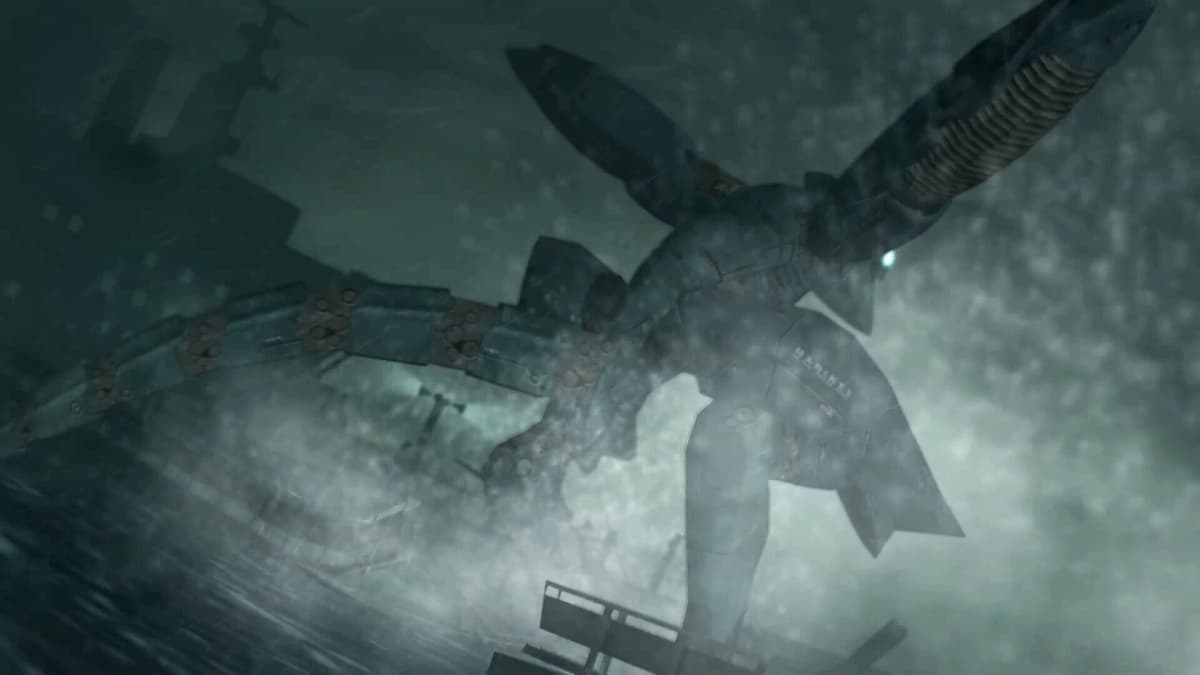
Avi Arad was instrumental in turning Marvel into a movie factory long before Kevin Feige took the wheel. The early Spider-Man films, X-Men, and more recently the Venom movies all have his fingerprints on them. He understands how to take a messy comic-book universe and turn it into something a global audience can follow.
But his track record with anime and game adaptations is… inconsistent. Uncharted landed somewhere between “fine” and “forgettable.” Ghost in the Shell tried to port cyberpunk philosophy into a sleek shell and lost a lot of its soul in the process. These are movies that know how to sell a brand, but not always why that brand mattered.
Bringing in Lipovsky and Stein fits that pattern. Final Destination: Bloodlines showed they can stage inventive, precise chaos and keep audiences on edge. That skill set translates well to stealth infiltration, Rube Goldberg-style security systems, and Metal Gear’s constant “one inch from disaster” energy.
What they haven’t proven yet is the ability to juggle a dense political script, surreal humor, and character drama without it collapsing into tonal soup. That’s the whole Metal Gear challenge in a sentence.
So you have Marvel-era producers who know how to flatten weird IP into box office, and a director duo best known for deathtrap horror. If you’re sensing a movie that leans hard into spectacle and suspense, you’re probably on the right track. Whether there’s room left for codec calls about nuclear deterrence is another matter.
The question nobody’s answering: which Metal Gear are we actually getting?
Beneath all the celebrating about “finally, progress!” there’s a really basic detail missing from every announcement: what story is this movie telling?
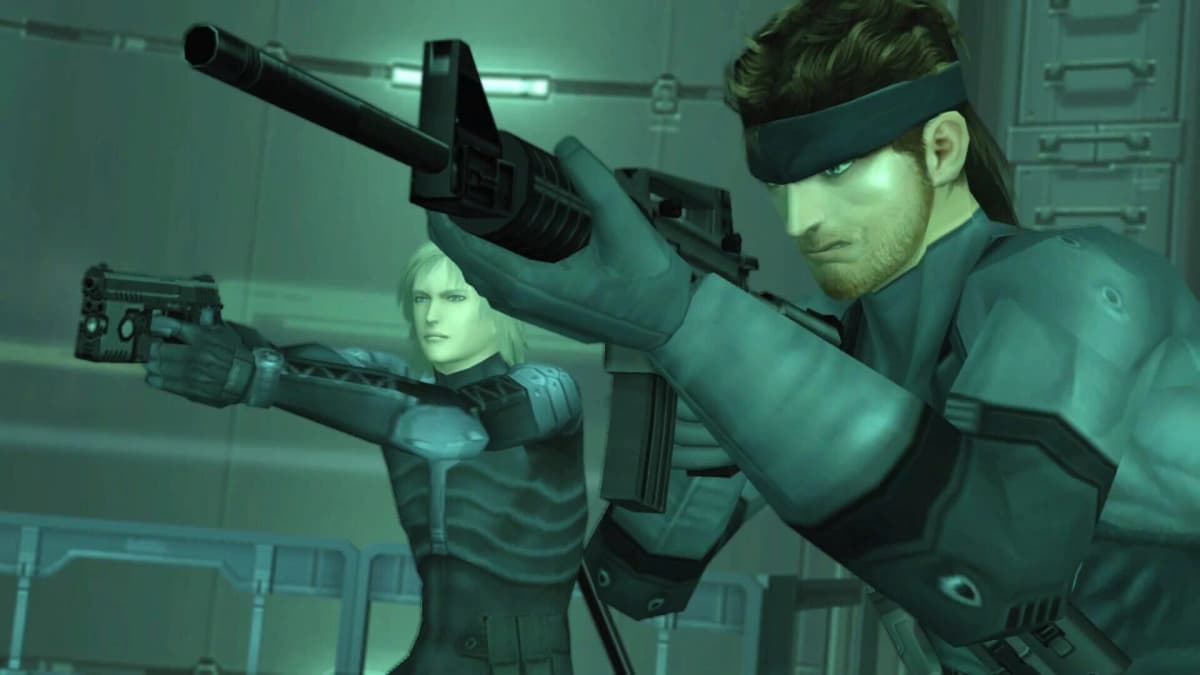
Do you adapt Metal Gear Solid on PS1 almost straight — Shadow Moses, Gray Fox, Sniper Wolf, the lot — and trust that the original structure still sings on a big screen? Or do you try to cram franchise lore into a shared-universe launch pad with Les Enfants Terribles, Big Boss flashbacks, and sequel bait?
Earlier in the project’s life, Jordan Vogt-Roberts was attached and openly talking about doing something wild and visually experimental. Oscar Isaac’s name was floated as Solid Snake. That version of the movie was pitched as a director-driven fever dream. It’s gone now. Lipovsky and Stein are coming in after Bloodlines — a studio horror sequel that hit its marks and made its money.
We don’t know if Isaac is still in the mix. We don’t know the rating (PG-13-friendly or willing to go R for the sheer brutality of a Metal Gear boss fight). We don’t know if this is a one-and-done thriller or the start of a cinematic “Metal Gear universe.”
Those choices will make or break it. A tight, mostly faithful adaptation of the Shadow Moses incident with a strong Snake, Baker, and Ocelot could absolutely work. A Frankenstein script cramming twenty years of lore into 130 minutes because someone in a boardroom wants a franchise bible on day one? That’s how you get another Assassin’s Creed situation: expensive, noisy, instantly forgettable.
What to watch next
- Screenwriter announcement: The moment Sony names a writer (or writing team), look at their credits. Political thrillers and character drama? Good sign. Pure action or horror sequels? Expect something more generic.
- Kojima’s credit: If he’s onboard as an executive producer or consultant, you’ll see his name in the PR. If he’s absent, assume Konami and Sony are in full control of tone and message.
- Lead casting: Whether or not Oscar Isaac is still Snake will tell you how “serious” Sony wants this to feel. A marquee actor signals prestige; a cheaper choice leans toward mid-budget genre flick.
- Rating and budget: A PG-13, sub-$100M movie is a different beast from an R-rated, heavy-VFX epic. Watch trade reports for those numbers; they’ll reveal how risky Sony is willing to get.
TL;DR
Sony and Columbia have revived the long-stalled Metal Gear Solid movie, hiring Final Destination: Bloodlines directors Zach Lipovsky and Adam B. Stein under a first-look Wonderlab deal, with Avi and Ari Arad producing. That setup all but guarantees a big commercial tentpole — but Kojima’s unclear involvement and the producers’ mixed adaptation history make it just as likely this leans safe instead of genuinely strange. The first real tell will be who writes it and whether Kojima’s name shows up anywhere near the credits.
FinalBoss // Gear
Level up your setup
01Top-rated gaming headsetson Amazon→02High-refresh gaming monitorson Amazon→03Gaming chairson Amazon→04Discounted game keyson Kinguin→Affiliate links · As an Amazon Associate, FinalBoss earns from qualifying purchases.
Want to Level Up Your Gaming?
Get access to exclusive strategies, hidden tips, and pro-level insights that we don't share publicly.
Ultimate Gaming Strategy Guide + Weekly Pro Tips