
For years, the PlayStation Store’s convenience has rested on a simple expectation: pay for a game, keep playing it. Sony’s legal defense places a hard contractual limit on that expectation just as physical media becomes less central to PlayStation’s future. The question is not whether software can be licensed — much of it is — but whether that reality was made clear enough when players pressed “buy.”
The proposed class action, filed in June 2026 in the Northern District of California, alleges Sony failed to meet the state’s 2025 Digital Goods Law. That law requires clear, conspicuous, plain-language notice when a digital transaction grants a license rather than ownership, along with the buyer’s express acknowledgment. The plaintiffs argue the crucial language was embedded in lengthy terms instead of being adequately presented at the point of sale.
In its August 21 filing, Sony points to Section 1 of its Software Product License Agreement: “The Software is licensed to you, not sold.” It argues no reasonable consumer could think a digital game is permanently owned. Sony used Resident Evil Requiem to make the point: Jason Mendoza bought it on February 14, 2026, and Edward Heycock bought it on February 25 for $69.99. Under Sony’s argument, a true sale would prevent multiple people from buying the same copy — an interpretation that does not fit digital distribution.
That argument may describe the industry’s model, but it does not settle the disclosure issue. The court will examine the PlayStation Store’s checkout flow and whether license status was communicated before money changed hands. For players, a license means continued access can depend on PSN account standing, regional rules, Sony’s service availability, and future terms — not merely on having paid once.
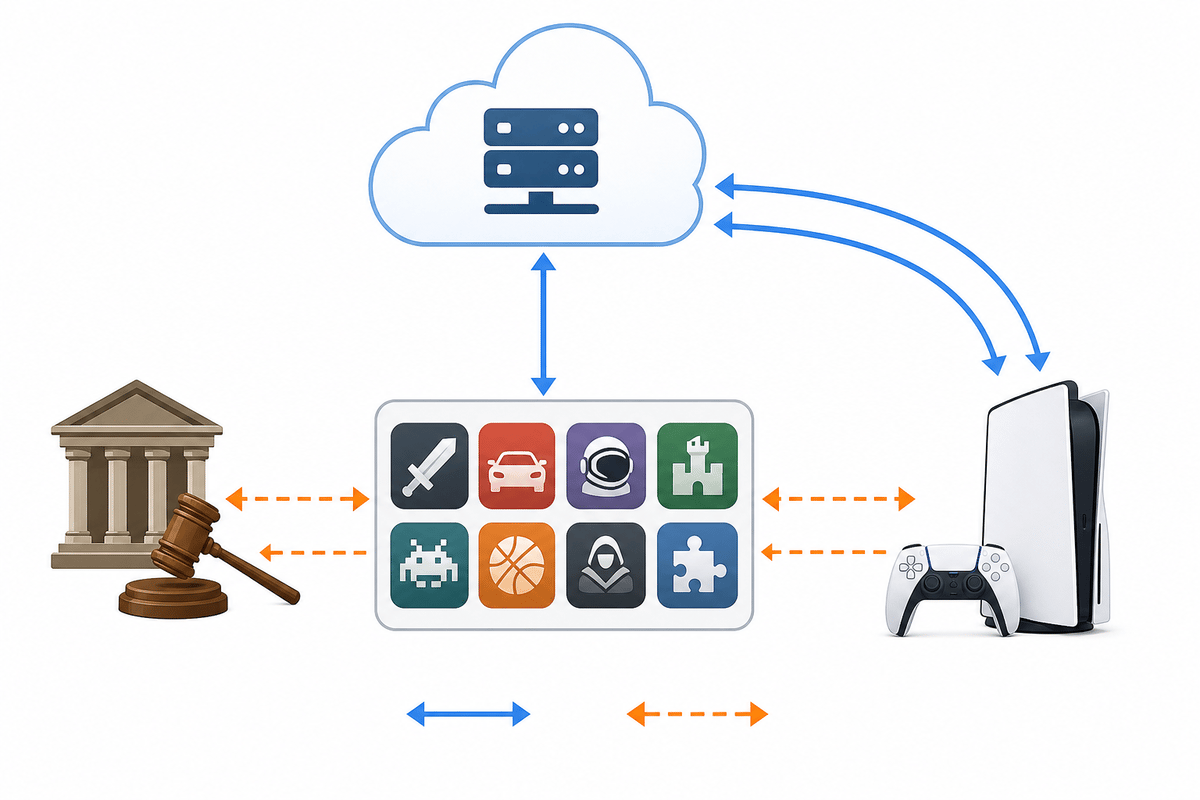
The timing sharpens the concern. Sony’s plan to stop producing physical discs for new PlayStation games from January 2028 would make these contractual rights more consequential for PS5 and eventual PS6 buyers. Earlier litigation over Sony’s 2019 removal of third-party digital-code sellers produced a proposed $7.85 million settlement that a judge rejected in July 2025, underscoring the scrutiny around PlayStation’s closed digital ecosystem.
Players should verify refund rules before purchase, retain receipts, check whether store pages identify a license, and avoid assuming offline access is permanent. Sony’s position is legally coherent; whether its storefront made that position unmistakable is the case that now matters.
FinalBoss // Gear
Level up your setup
01Best-selling PS5 gameson Amazon→02DualSense controllerson Amazon→03PS5 SSD upgrades (M.2 NVMe)on Amazon→04Discounted game keyson Kinguin→Affiliate links · As an Amazon Associate, FinalBoss earns from qualifying purchases.