
If you searched for “best first skills” in Sorrow’s Serenade, here is the honest answer: there are none. Sorrow’s Serenade (Faynogames, Steam app 4287540) is a free, roughly five-minute first-person narrative experience with no skill tree, no currency, no bosses, and no progression to optimize. If you came here looking for an attribute or skill-priority order, you are almost certainly thinking of a different game, most likely Housemarque’s roguelike SAROS, and this guide will point you the right way.
Table of Contents (5)
The short version
- There is no skill system in Sorrow’s Serenade. It is a narrative-driven micro-game, not a roguelike, so there is nothing to “build.”
- It lasts about five minutes and is a single-player, first-person story about the quiet weight of a kept promise.
- It is free on Steam (PC only) and released on January 29, 2026.
- If you want skills, attributes, and Lucenite, you mean SAROS. Proficiency, Drive, Aether, Bastion, the Armor Matrix, and Lucenite are all SAROS mechanics, not Sorrow’s Serenade ones.
What Sorrow’s Serenade actually is
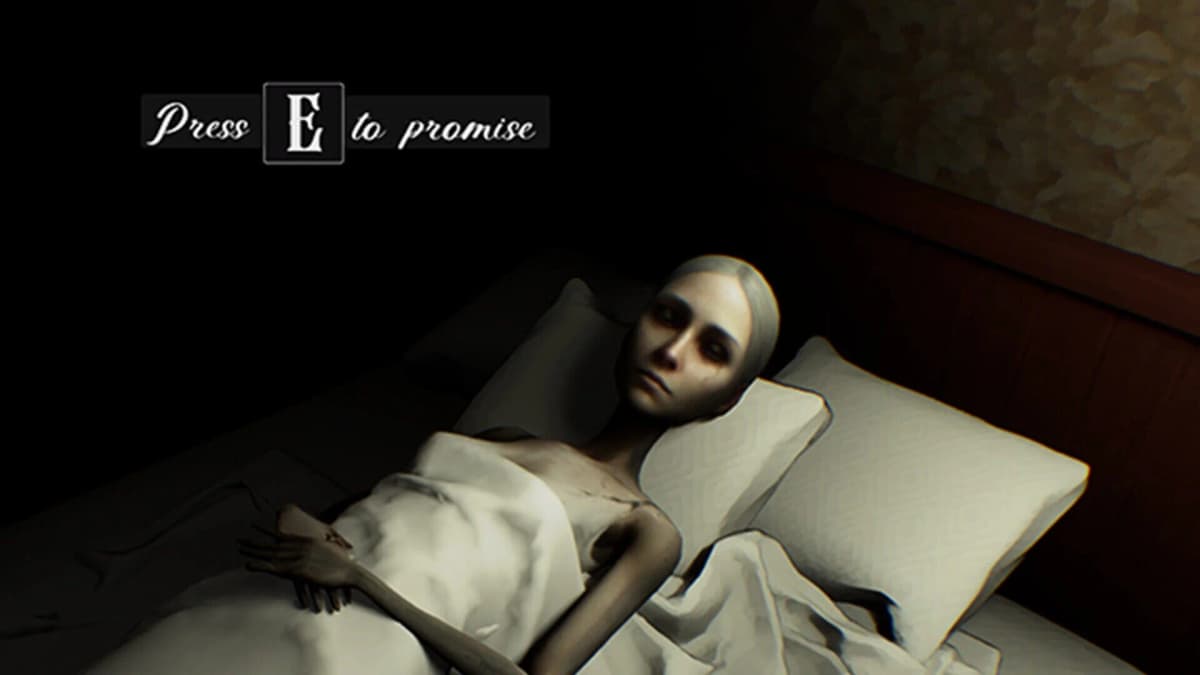
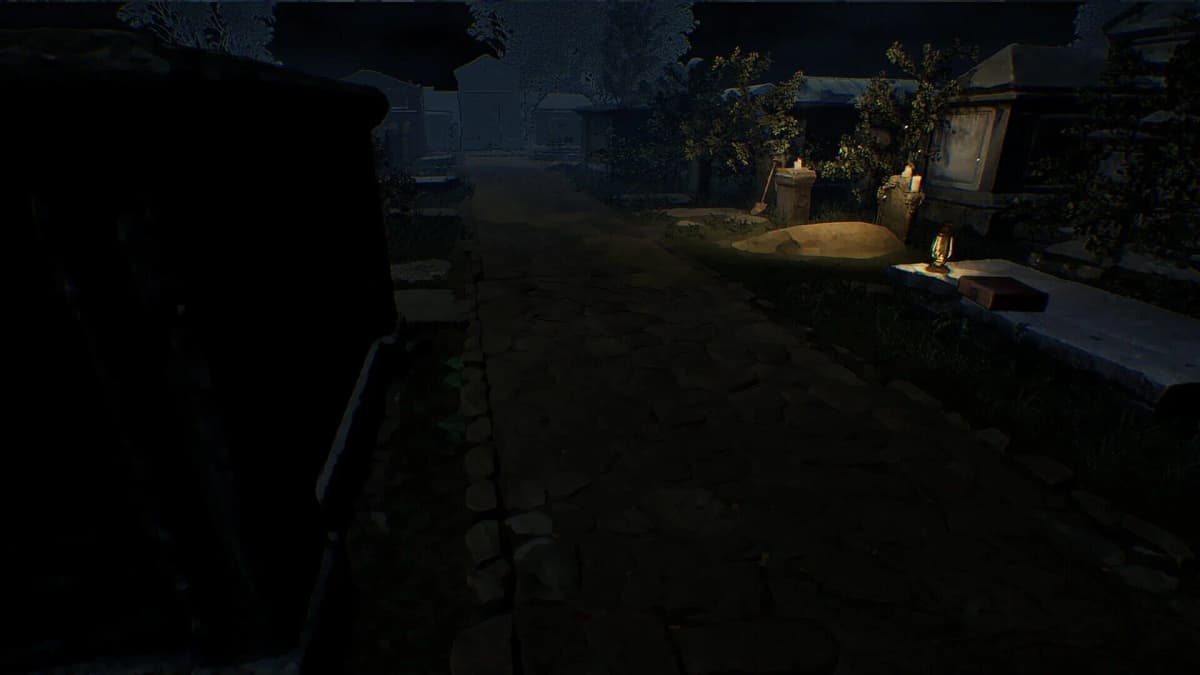
Sorrow’s Serenade is a short, single-player narrative game played from a first-person perspective. Its own store description frames it as “a brief emotional experience lasting a few minutes, centered on the quiet weight of a kept promise,” with minimal mechanics. You walk, you take in the scene, and you follow a tightly authored story. That is the whole loop. There are no stats to raise, no nodes to unlock, and no runs to optimize, because none of those systems exist in the game.
That matters for one practical reason: any guide promising a “skill priority order” or a “fast progression” route for this title is describing a game it is not. Sorrow’s Serenade is closer to a short interactive story than to anything you grind. The right way to “play it well” is simply to play it once, unhurried, and let the few minutes land.
You are probably looking for SAROS
The “best first skills” question almost always belongs to SAROS, Housemarque’s PS5 roguelike, where the skill-priority advice that gets misattributed to Sorrow’s Serenade actually applies. If that is the game you meant, here is the accurate version of the early-progression answer for SAROS, so the search is not a dead end:
- Take Proficiency Enhancements first. In SAROS, each one raises your starting Proficiency by +1, which increases the level of both standard weapons and Power Weapons you find, lifting your baseline damage on every run.
- Favor Drive at early splits. Drive increases the Lucenite you earn from drops and exploration, and Lucenite is the currency you spend (alongside Halcyon) on the Armor Matrix permanent-upgrade tree, so it compounds your whole progression.
- Aether comes after Bastion, the second boss. Aether Upgrades in the Armor Matrix are gated until you beat Bastion; pair Aether with the Restoration upgrade so each heal restores more health.
- Backfill Command and Resilience later. Command governs maximum Power (which fuels Power Weapons and the Shield), and Resilience raises your maximum Armor Integrity, your health line. Both are useful, just not the strongest first spend.
- Note the first-boss passive. After defeating the Prophet, the first boss, each Proficiency level you gain also grants a point of Resilience, Command, and Drive.
None of those systems exist in Sorrow’s Serenade. They are listed here only to redirect the misdirected search to the game they belong to.
Common mistakes
- Assuming the two games are the same. Sorrow’s Serenade (Faynogames, PC) and SAROS (Housemarque, PS5) are unrelated titles with similar-sounding names; only one has a skill tree.
- Looking for an Armor Matrix or Lucenite in Sorrow’s Serenade. There is no currency, no upgrade tree, and no boss in this game, so there is nothing to spend or unlock.
- Trying to “optimize” a five-minute story. There is no run to extend or build to min-max; the experience is fixed and short by design.
- Treating skill-order advice as transferable. Proficiency, Drive, and Aether priority is correct for SAROS and meaningless here.
Practical takeaway
For Sorrow’s Serenade, the plan is simple: there is no skill order to learn, because the game has no skills. It is a free, five-minute first-person story, so play it once and let it land. If you actually wanted to plan an early skill build, you wanted SAROS, where Proficiency first, then Drive, then Aether after Bastion is the accurate early-progression order.
FinalBoss // Gear
Level up your setup
01Top-rated gaming headsetson Amazon→02High-refresh gaming monitorson Amazon→03Gaming chairson Amazon→04Discounted game keyson Kinguin→Affiliate links · As an Amazon Associate, FinalBoss earns from qualifying purchases.
Want to Level Up Your Gaming?
Get access to exclusive strategies, hidden tips, and pro-level insights that we don't share publicly.
Ultimate Guide Strategy Guide + Weekly Pro Tips