
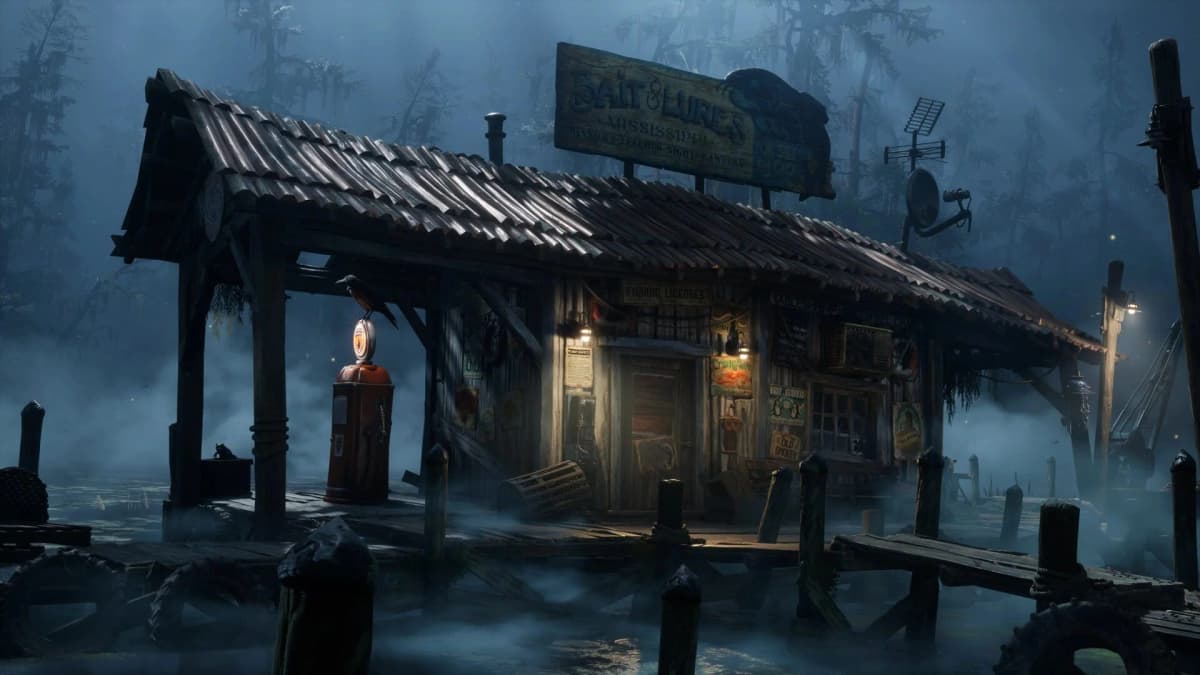
South of Midnight’s Music Turns Trauma into Chills — Here’s How
Game intel
South of Midnight
South of Midnight is a new action-adventure from Compulsion Games. Explore the mythos and confront mysterious creatures of the Deep South in this modern folkta…
Why the Soundtrack Matters More Than You Think
This caught my attention because South of Midnight doesn’t treat music as background wallpaper – it treats music as emotional architecture. Compulsion Games’ new fantasy-Deep-South tale uses voice, field recordings, and layered songs to turn character trauma into gameplay beats that land hard across its 10-12 hour run.
- Music pieces grow with narrative: fragments become full songs tied to character revelations.
- Authenticity without mimicry: European leads collaborated with Southern musicians and field recordings.
- Children’s voices and swamp sounds do heavy storytelling work, not just atmosphere.
- For players, audio becomes the map to emotional payoff – and the game’s most memorable moments.
How South of Midnight Lets Music Carry Story
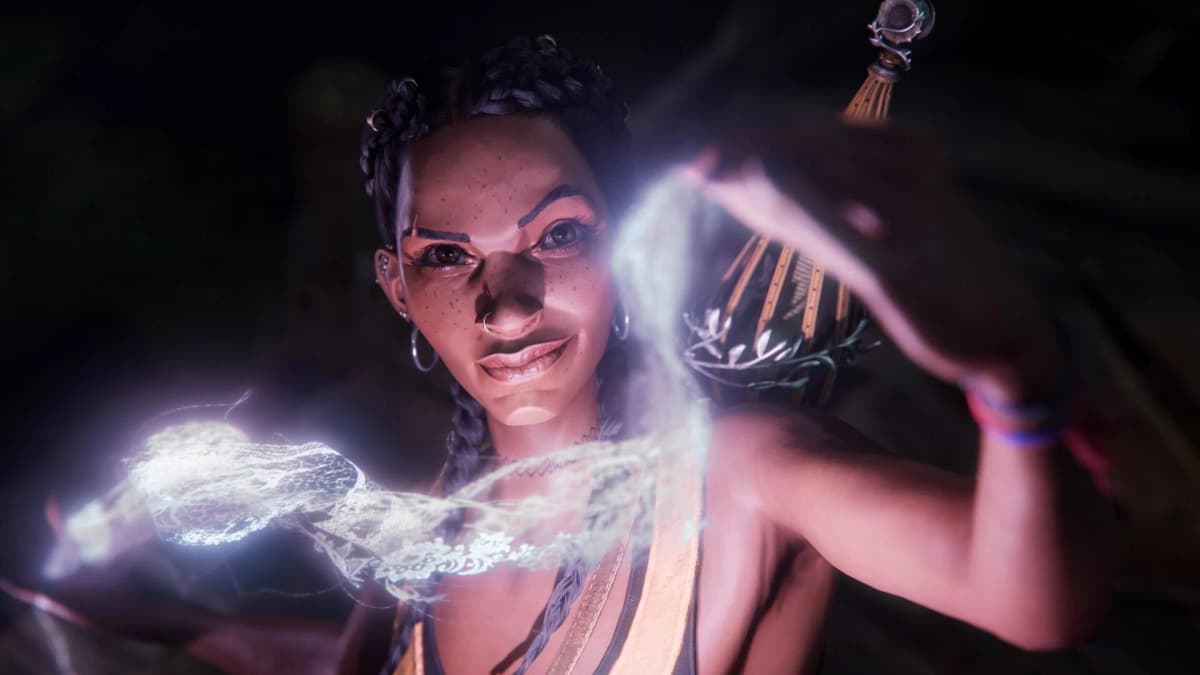
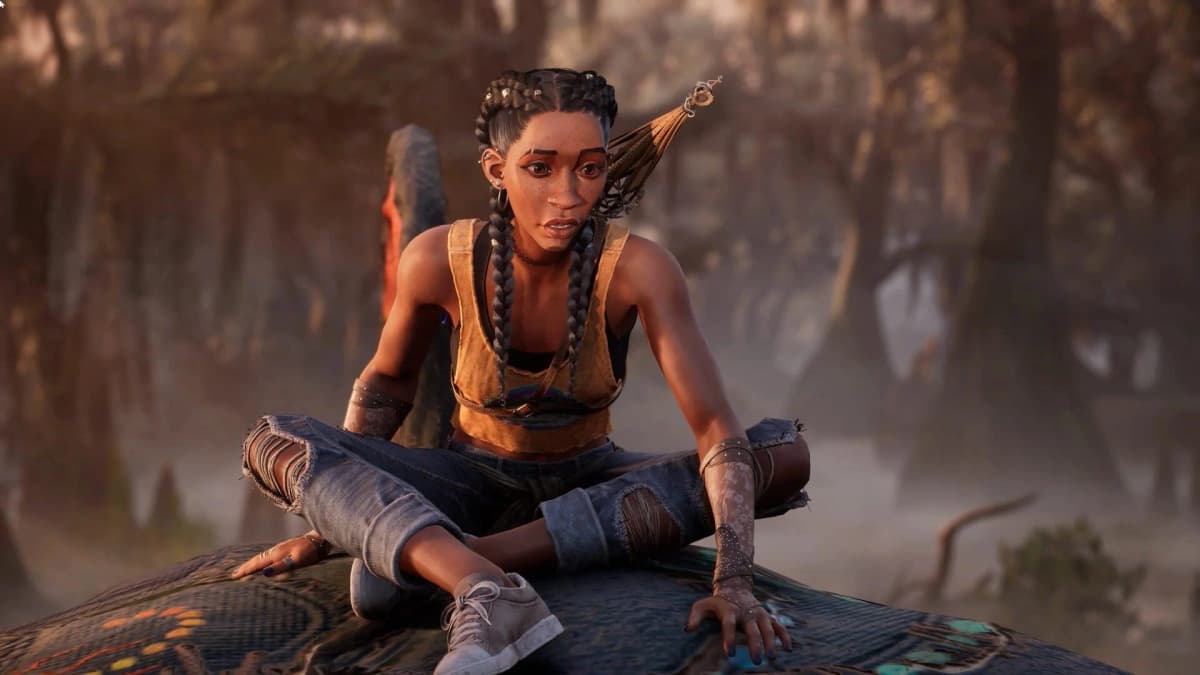
If you’ve ever felt a score hit you mid-game and suddenly understood a scene in a way text couldn’t convey, you know the power at play here. South of Midnight leans into that. You play as Hazel, a Weaver who reads ghosts and memory strands, and the game literally builds songs around the unspooled trauma of creatures and characters. Short musical fragments play as you uncover backstory; by the chapter end, those fragments coalesce into a full, often wrenching song – the boss theme. It’s a design that makes music not just accompaniment but a narrative device.
Making a “Fantasy Deep South” Without Copying It
Two facts stood out from my interviews with lead composer Olivier Derivière and audio director Christopher Fox: neither is from the American South, and the team was explicit about not wanting an imitation. Derivière recalled his initial surprise: “At first, I was like, ‘Why are you hiring me? I’m French.’ … ‘We know that, but we don’t want you to be accurate. We want you to be authentic.’” That line nails the creative brief — evoke the culture’s emotional truth rather than produce a note-for-note pastiche.
Compulsion balanced outsider composition with insider contributions: Nashville vocalists, regional musicians, and on-location field recordings. Derivière: “We’ve worked with amazing musicians from Nashville… I would come with my version of the song… And they start playing, and boom! It’s culture. It’s art.” Fox purposely resisted giving Derivière a Deep South playlist, arguing a direct template would have produced a “carbon copy.” Instead, they let the score breathe and mutate into something that feels rooted yet original.
Children’s Voices, Swamp Recordings, and the Strands
The audio team’s single most striking choice: the pervasive use of five girls from a Nashville gospel church. Their giggles, whispers, and singing are embedded into gameplay as the Guiding Strand — a whispered “Hazel” nudges you toward objectives — and also in the soundtrack as an eerie chorus. Derivière: “We didn’t want to call them spirits… We wanted [them] to be free of all these… clichés. It’s like an energy around you… the strands are the kids.”
Field recordings from swamps and Tennessee mountains give Fox the safety to push the music into odd, sometimes unsettling territory without losing grounding. “That sound design also really grounded everything, so that you could go a bit wild with the music and go somewhere different,” he said. The result: music that can be corrupted and uncorrupted, shifting tone as you learn more about a place or a person.
Want to Level Up Your Gaming?
Get access to exclusive strategies, hidden tips, and pro-level insights that we don't share publicly.
Ultimate Gaming Strategy Guide + Weekly Pro Tips
Why This Matters for Players
Games routinely fail to make music memorable because it plays constantly. South of Midnight avoided that trap by tying major musical moments to key narrative beats and distinct emotional themes: guilt for one creature, rage for another, grief for a third. Fox summed it up: each creature’s music “represented the trauma” — main themes established early that grow as you progress.
That design delivers payoff. Tracks like Huggin’ Molly, Rougarou, and Altamaha-Ha linger because they’re not gratuitous; they’re revelations. The Altamaha-Ha song in particular — a lament for an enslaved woman who lost her child — is rooted in strong vocal performance and narrative weight. Fox admits the scene moved him: “I feel like quite a few people cry at the end of that one, which is an amazing feat for someone who’s involved with audio.”
What This Could Mean Going Forward
South of Midnight is an example of audio-first narrative design that other studios should study. Rather than shoehorning music in, Compulsion used it structurally: songs written early informed level design, lyrics were co-authored by narrative leads, and audio cues guided both gameplay and emotional understanding. For players who care about storytelling and atmosphere, that approach pays dividends.
TL;DR
South of Midnight turns music into a storytelling engine: authentic-feeling Southern threads, children’s voices, and swamp field recordings transform trauma into memorable gameplay moments. It’s less about pastiche and more about emotional truth — and that makes the score one of the game’s most powerful characters.