
Species: Unknown turns Wanadev’s VR horror chops into a PC-only co‑op stalker—here’s the real pitch
Game intel
Species: Unknown
Species: Unknown is a 1 to 4 players co-op survival horror. Complete high-risk missions aboard an abandoned ship while being hunted by an unknown creature. Sur…
Why Species: Unknown actually caught my eye
October is prime time for spooky drops, but most “co-op horror” pitches blur together. Species: Unknown stood out because Wanadev Studio-yeah, the Ragnarock and Propagation: Paradise Hotel folks-are shelving VR to build a PC-only, solo-or-4-player survival-horror set aboard a ruined ship. That pivot matters. Wanadev’s VR work nails sound, pacing, and physical tension; translating that into a flatscreen stalker could give them an edge in a crowded post-Lethal Company scene. The hook here isn’t just screaming and sprinting: it’s contracts with different objectives, a procedural bestiary you actually have to investigate, and tools that reward planning over panic.
Key takeaways
- PC-only, no VR, playable solo or co-op up to 4-built for isolation or tight teamwork.
- Contracts change the loop: extract a black box, capture/eliminate a threat, or scuttle the ship.
- Procedural bestiary pushes investigation: ID the creature’s behavior and counters before you commit.
- Tactical tools and progression encourage roles and builds; a free Steam demo is live now, Early Access lands October 23, 2025 with a ~12-month roadmap.
Breaking down the pitch: more than “get in, grab loot, get out”
Most co-op horror lives and dies by its loop. Species: Unknown swaps the generic “reach the exit” for contracts that meaningfully change your approach. Extraction jobs push stealth and scouting; capture missions lean into traps and zone control; full-on destruction runs force explosive resource management under pressure. That variety is the difference between a session that feels emergent and one that feels like you’re just rolling the same dice again.
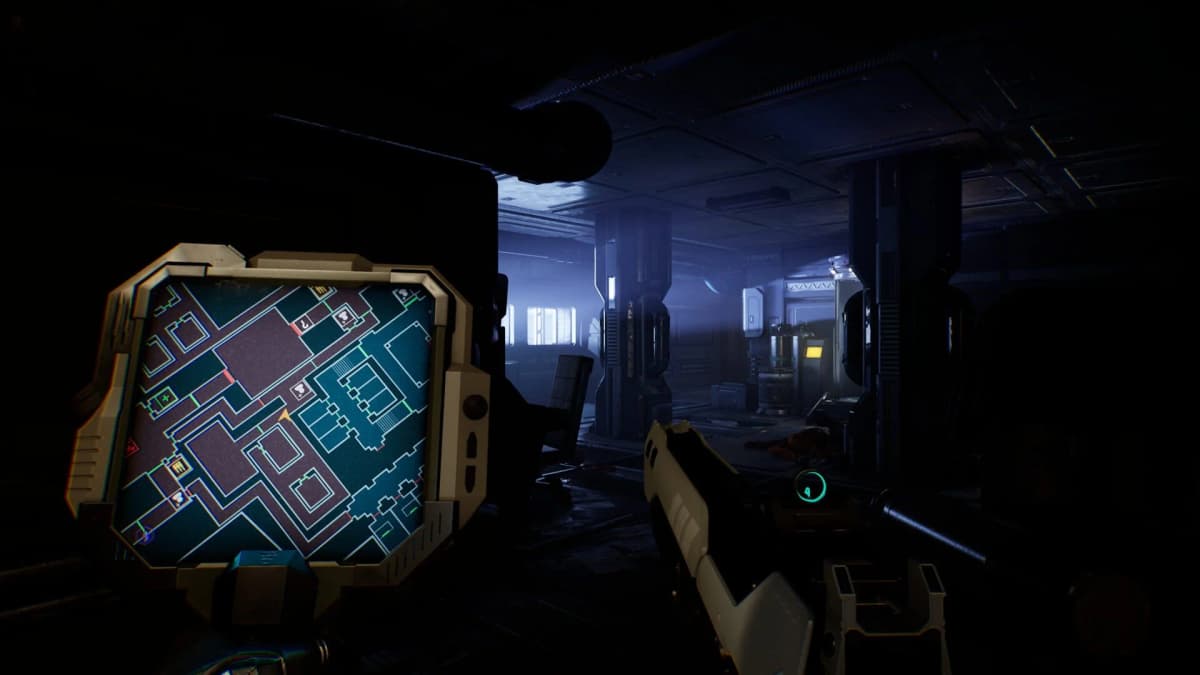
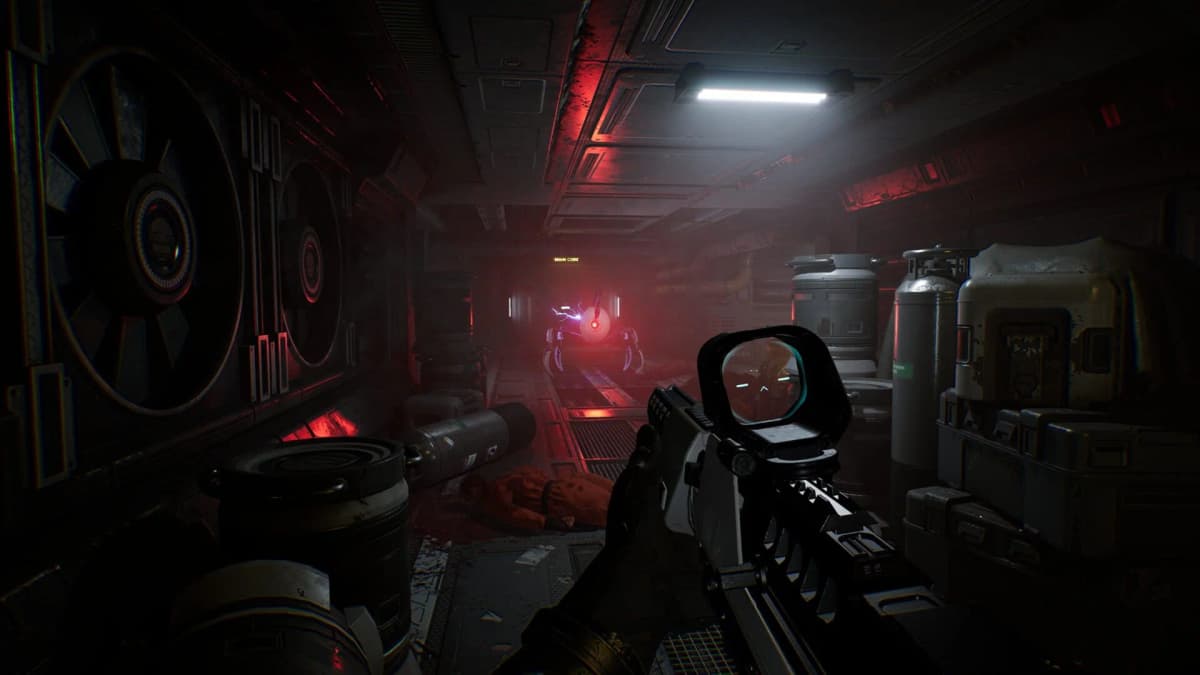
The setting—tight, light-starved corridors, locked bulkheads, nasty sightlines—screams Alien: Isolation energy. In solo, that claustrophobia is the point; in co-op, it’s a canvas for roles: an advance scout with motion sensor, a support with shields and meds, a carrier focused on objectives. Think the tension of GTFO without its punishing complexity, and the “one more run” vibe of Lethal Company, just with clearer, mission-driven intent.
Smarter monsters or just reskins?
The feature that could separate Species from the co-op horror pack is the “investigate before you engage” bestiary. The game selects from multiple species with distinct behaviors and counters. You’re meant to read the aftermath—how the crew died, sounds, patrol patterns—then tailor your kit and plan. Some threats react to noise or clustering, others to specific tools; a few sound outright unkillable during certain phases, which should force retreats instead of hero plays.
I love the intent; the question is execution. How many species ship in Early Access? Do they differ in ways you can actually parse under stress, or will teams fall back on one safe strat every time? We’ve all seen “procedural” end up meaning “slightly faster, a new color, more HP.” If Wanadev delivers readable tells and counters that genuinely flip your tactics, that’s a win. If not, the investigation layer risks becoming background noise.
Tools, builds, and the risk/reward game
Species looks happiest when you use brains before bullets. The motion sensor buys seconds to reposition. Shields can body-block a lethal hit to save an ally. Med syringes reset a wipe spiral. A mini-map keeps your team from getting turned around in the dark. Crucially, you’re not always supposed to fight—sometimes you hide, stall, or kite while an objective runs down. That restraint separates memorable horror from noisy shooting galleries.
Progression feeds the loop without (hopefully) turning it into a grind. You earn credits for new tools and upgrades, and there’s a “museum” that logs creature lore—basically a horror Pokédex. Done right, this scratches the “complete the set” itch the same way Deep Rock Galactic’s unlocks or Helldivers’ stratagems do: incremental power, different playstyles, no pay-to-win nonsense. The flip side: if upgrades feel mandatory to survive, new players bounce. Balance here will make or break early impressions.
Want to Level Up Your Gaming?
Get access to exclusive strategies, hidden tips, and pro-level insights that we don't share publicly.
Ultimate Gaming Strategy Guide + Weekly Pro Tips
Early Access reality check
There’s a free Steam demo right now, with Early Access slated for October 23, 2025 and a roughly 12-month roadmap: more species, maps, and upgrades, plus active feedback via Steam and Discord. Love the transparency. Also love the clarity that it’s PC-only and not a stealth VR upsell—unexpected given Wanadev’s pedigree, but smart if they want broader reach.
What I’m watching for: content cadence (fresh contracts and monsters keep this alive), AI stability (stalkers need to feel clever, not rubber-banding), team comms (proximity VOIP is table stakes now), and performance in those dense, dark corridors. Mod support would be a cheat code for longevity, but it hasn’t been promised. Price is also TBD—value perception in this genre is brutally tied to how many memorable nights you can wring out of a tenner with friends.
Where this fits in the co-op horror boom
We’re deep into a wave of Lethal Company-likes, and most will fade. Species: Unknown has two things going for it: Wanadev’s proven feel for tension (Propagation: Paradise Hotel was tight) and a contract-plus-investigation loop that, on paper, pushes you to adapt instead of speedrun. If the monsters are truly distinct and the tools encourage role play over run-and-gun, Species could earn a slot in your Friday-night rotation.
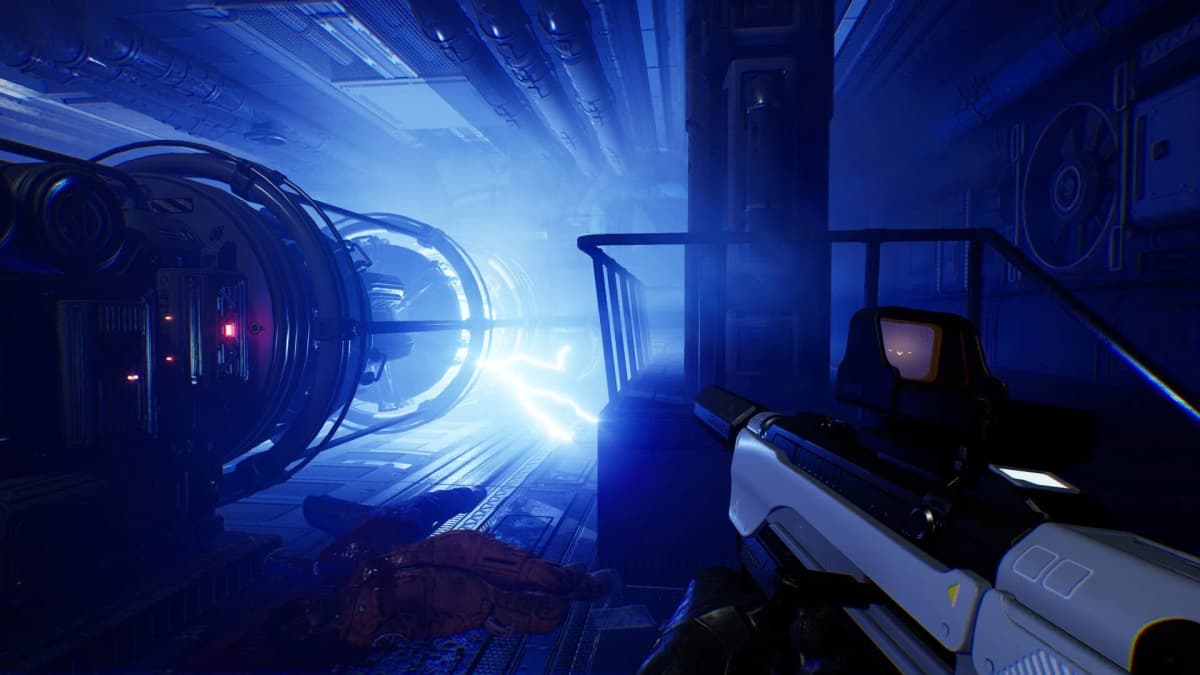
If you’re into Alien: Isolation’s cat-and-mouse, Phasmophobia’s deduction, or GTFO’s coordination—but want something you can teach to a new squad in a night—download the demo and see if the ship’s atmosphere clicks. If you prefer tightly scripted scares or solo-only narrative beats, this may feel too systems-driven.
TL;DR
Species: Unknown aims for brains-first co-op horror: varied contracts, investigative monsters, and tools that reward planning. The concept’s strong, the studio’s capable, and the demo’s free—now it’s on Early Access to prove the AI, variety, and balance can keep the fear (and the fun) alive past Halloween.