
Spectre Divide’s Rapid Shutdown: Hype, VC Deadlines, and a $90 Misstep
Game intel
Spectre Divide
Spectre Divide is the genre-evolving, competitive 3v3 tactical shooter driven by Duality. Use Duality to control two bodies in real-time, letting you defend tw…
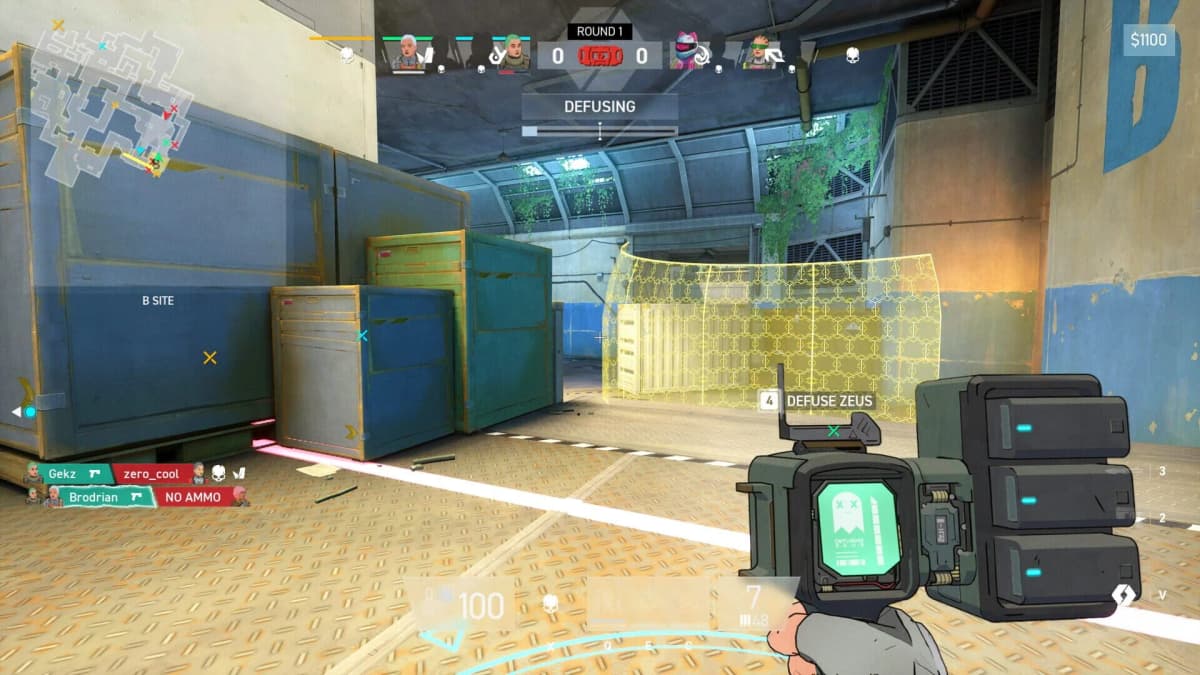
Spectre Divide’s shutdown stings because it felt like one of the few indie tactical FPS projects that might actually carve space alongside Valorant and CS2. The beta played well, critics were surprisingly bullish, and having Shroud in your corner is the kind of lightning-in-a-bottle most studios would sell a kidney for. And yet, months after launch, both the game and Mountaintop are gone. The postmortem isn’t a single smoking gun-it’s a mess of server failures, bungled monetization, a rushed VC-driven launch, and expectations warped by a mega-influencer and a five-year-old rival at its peak.
Key Takeaways
- Day-one server issues and a $90 skin bundle nuked goodwill at the exact moment it mattered most.
- VC runway forced an early launch instead of a 2025 release, leaving key features and polish on the cutting room floor.
- Shroud’s involvement raised AAA expectations Mountaintop’s indie scope couldn’t meet, especially against Valorant’s current standard.
- The open beta’s strong press cycle cannibalized launch coverage-there wasn’t a “new” story to tell.
Breaking Down the Collapse
Let’s start with the unforced errors. Launch servers buckled under the influx of players. We’ve seen big titles survive rocky server weekends-Helldivers 2 ate dirt for a week and came out stronger—but you only get that grace if players feel respected and kept in the loop. Spectre Divide didn’t earn that cushion. The store arrived with a tone-deaf $90 cosmetic bundle, which immediately framed the game as a live-service vending machine first, shooter second. Even if other FPS titles sell pricey skins, doing it on day one, while your servers are on fire, is the worst possible first impression.
Mountaintop’s founders have been candid about the pile-up of problems. The team wanted to avoid the holiday bloodbath and either ship early then iterate, or wait until 2025 with a more complete feature set. Venture funding didn’t stretch that far for a ~100-person team, so they shipped. As co-founder Matt Hansen put it, it was “really tough.” That tracks. But it also shows how fragile an indie live-service shooter is: if your war chest can’t cover a later launch, you’ve basically removed your ability to control the one variable that matters most—timing.
Shroud, Valorant, and the Expectation Trap
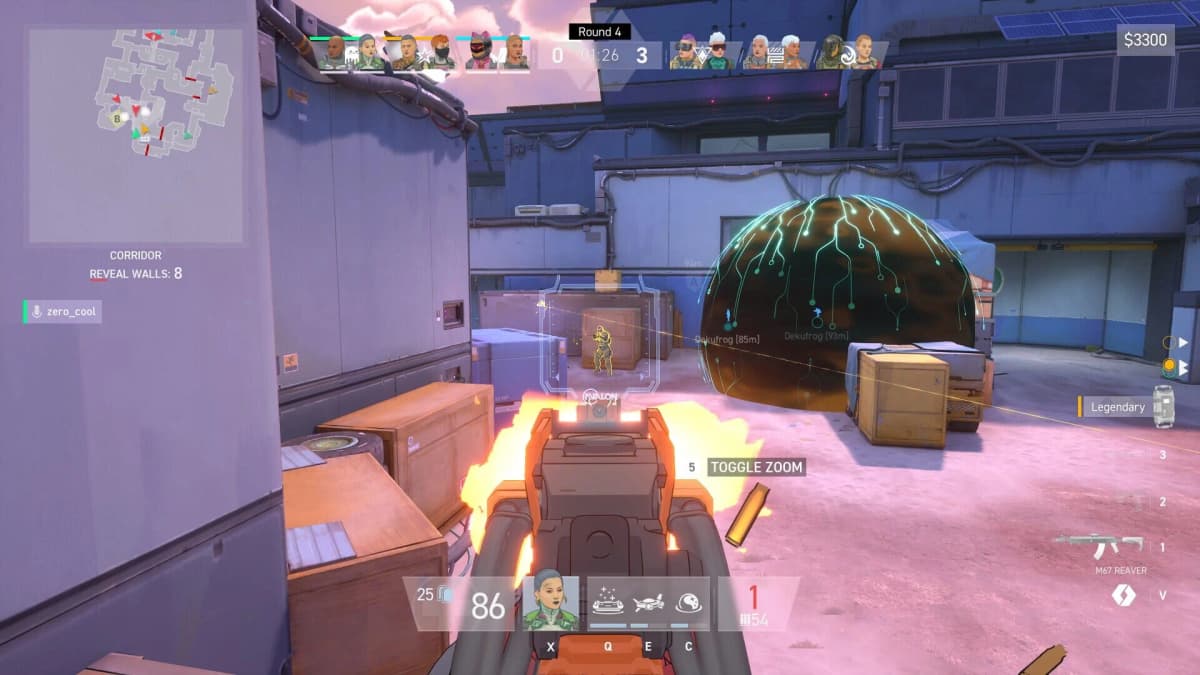
Shroud’s involvement brought visibility and pressure. Nate Mitchell said it plainly: “The expectations from players, given Shroud’s involvement, didn’t match our capabilities as an indie dev.” When your ambassador is synonymous with the slickest AAA shooters, players expect the works: content depth, pristine netcode, esports-ready polish, and an update cadence that eats calendars for breakfast. Spectre Divide wasn’t competing with Valorant’s 2020 launch anymore—it was measured against Valorant in year five, a fully mature live-service juggernaut with a massive team and infinite runway. That’s not a fair fight, but it’s the reality of the market.
This is where communication could have changed the outcome. If Mountaintop had aggressively scoped expectations—loudly clarifying the team’s size, cadence, and what “indie tactical FPS” actually meant—players might have judged the game on its own lane rather than Riot’s. Instead, the high-profile backing and slick beta buzz wrote checks the live launch couldn’t cash.
Want to Level Up Your Gaming?
Get access to exclusive strategies, hidden tips, and pro-level insights that we don't share publicly.
Ultimate Gaming Strategy Guide + Weekly Pro Tips
When Your Beta Eats Your Launch
Another own goal: the beta glow robbed the launch of oxygen. The press had already said their piece, the full release arrived too soon afterward, and crucially, it was too similar to generate new coverage. That’s classic live-service fatigue—if your launch doesn’t feel materially different from your beta, the cycle treats it like old news. We’ve all seen it: early buzz peaks, then the “1.0” release lands with a shrug. Unless you roll in significant new maps, modes, or a clear hook, the conversation doesn’t restart.
Could More Players Have Saved It?
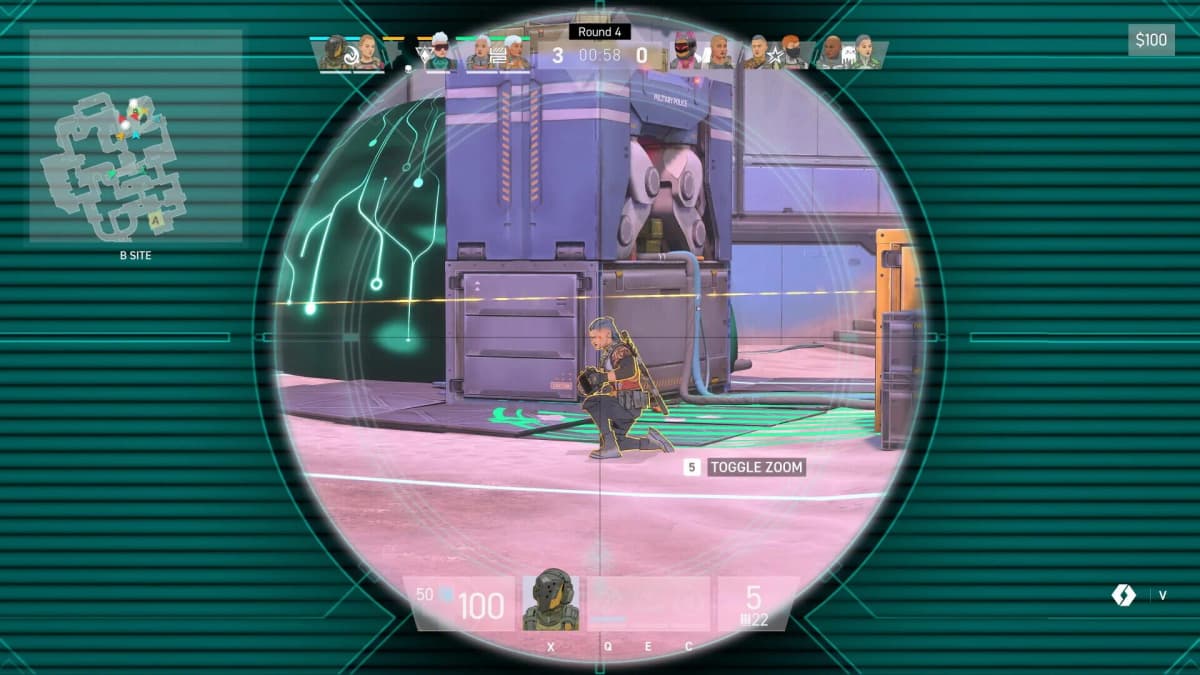
Mitchell floated a what-if: in a “parallel universe” without server meltdowns, with saner pricing and a bigger marketing budget, Spectre Divide might have hit critical mass. Maybe. But that’s a chicken-and-egg problem. You don’t get a day-one surge without trust, and you don’t get trust if your first paid impression is a $90 bundle and broken queues. The genre is unforgiving; players can’t be bothered when Valorant and CS2 are two clicks away and free. You have to nail fundamentals and humility on day one, then earn ambition later.
Lessons for the Next Indie Live-Service Shooter
There’s a path forward for smaller teams, but it requires discipline:
- Over-provision launch servers and budget for surge, or stagger access. “We’ll fix it post-launch” is a coin flip you can’t afford.
- Price like an underdog. Push the value of the battle pass, keep cosmetics reasonable early, and save premium experiments for later seasons.
- Set expectations ruthlessly. State your team size, roadmap, and scope. Anchor players to your ceiling, not Riot’s.
- Make launch feel new. If your beta already made the rounds, add meaningful content or time a bigger beat at 1.0.
- Pick your window or don’t ship. If VC runway controls timing, you’re not steering the car—you’re riding the brakes.
I liked what Spectre Divide was trying to be—a more grounded, tactical angle in a space dominated by two monoliths. But intent doesn’t soften the landing when you clip every hurdle on the way down. The postmortem reads honest, and that’s refreshing. The next team attempting the same climb should read it like a checklist of avoidable mistakes.
TL;DR
Spectre Divide had promise, hype, and Shroud, but launch-day servers, aggressive monetization, a VC-driven timeline, and mismatched expectations killed momentum. For indie live-service shooters, scope honestly, price humbly, overbuild your launch plan—and don’t let the beta steal your own spotlight.