
This caught my attention because Nintendo just pushed an update that changes one of Splatoon’s core truths three years into the game’s life: you can now see how close an opponent is to going down. That alone rewrites decision-making in ranked matches, and when you pair it with a killstreak-based Flow Aura and hitbox tweaks, the competitive landscape gets a real shake-up.
Table of Contents (6)
Splatoon 3 Version 11.0.0 – Health Bars, Flow Aura, and Meta-Shift
- Clearer combat feedback: Visible 3s health bars replace fuzzy ink-read cues, favoring finishers and coordinated follow-ups.
- Momentum mechanic: Flow Aura rewards killstreaks with speed, defense, and temporary ink, enabling snowball plays if unchecked.
- Closer-quarters buff: Swim hitboxes slightly smaller while short-range weapon hitboxes were enlarged – CQC weapons rise.
- Sniper check: Stealth Jump takes longer, making long-range repositioning riskier and more punishable.
{{INFO_TABLE_START}}
Publisher|Nintendo
Release Date|January 29, 2026
Category|Live Game Update / Patch
Platform|Nintendo Switch (all regions)
{{INFO_TABLE_END}}
What changed, in plain terms
Version 11.0.0 bundles several interconnected systems that nudge Splatoon 3 toward more decisive, aggressive play. The most concrete change is the temporary health bar that appears above a player for roughly three seconds after they take damage – visible while they remain exposed. That removes ambiguity: you no longer guess whether a target needs one more burst or a full combo.
Flow Aura is the new momentum mechanic. Chain quick splats without dying and you trigger a short buff window — faster movement, better damage resilience, and ink that temporarily paints around you. Visual cues make aura users easy to spot, but the stat buffs and auto-inking let a successful aggressor expand map control rapidly.
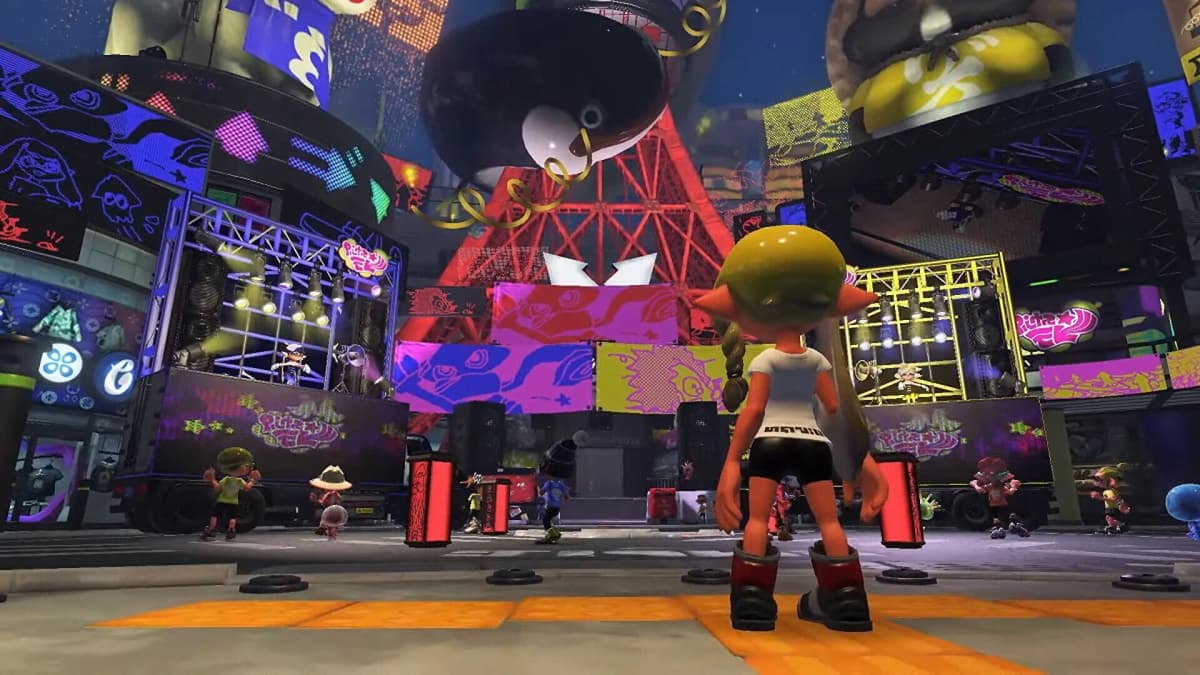
On the mechanical side, Nintendo tightened swim-form collision (making you slightly harder to clip while in ink) and enlarged hitboxes for short-range weapon shots. Stealth Jump return time was increased, so predictable super-jump sniping is riskier.
Why this matters to players and the meta
Two big things happen simultaneously: players can confirm damage reliably, and aggressive players are rewarded with measurable power spikes. That combination favors finishers — weapons and playstyles built to close out fights — and devalues passive “guess and pressure” approaches. Expect the S+ ladder to see higher variance as carry players can snowball matches more easily with Flow Aura.
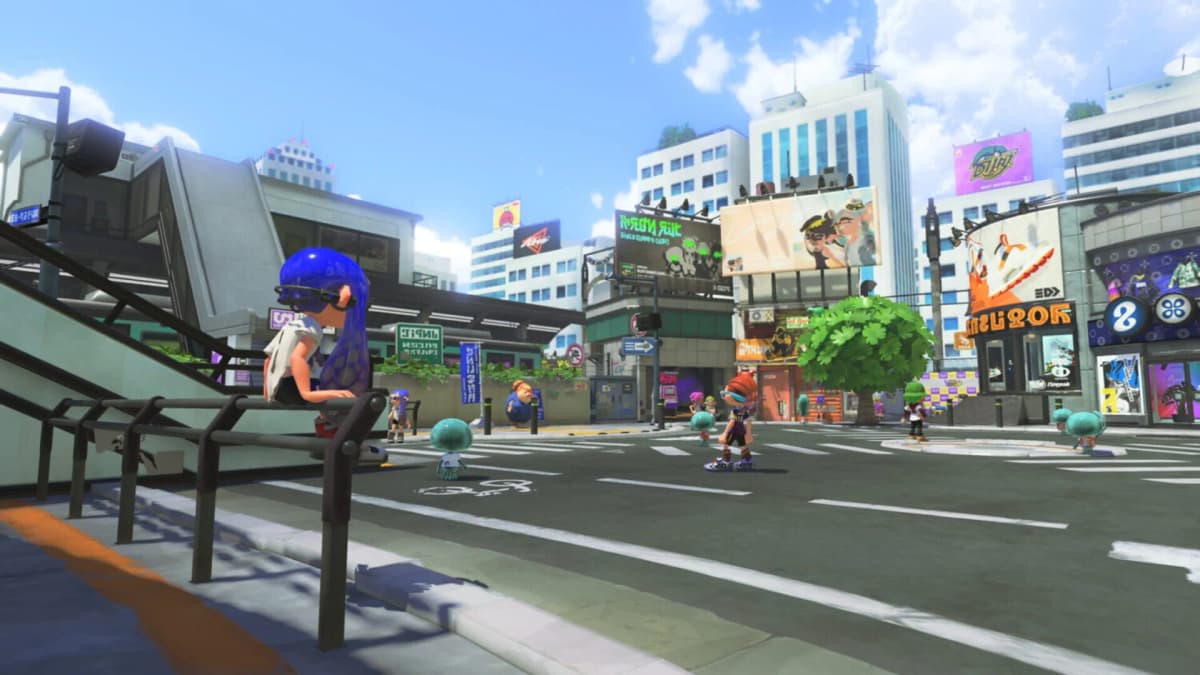
Short-range kits gain value because of hitbox expansions; maps with tight corridors or quick flanks become more dangerous for long-range mains. The Stealth Jump tweak is small but meaningful: snipers must work harder to secure safe rotations, and teams can bait and punish predictable landings with the new health-visibility window.
How to adapt — quick, practical tips
- Chase confirmed bars: If a visible enemy drops below ~30%, prioritize finishing rather than resetting the fight.
- Respect aura users: Focus-fire Flow Aura carriers; their presence is telegraphed and worth team collapse.
- Swap loadouts for short-range: Try rollers, sloshers, and boosted nozzlenoses in maps where CQC now wins fights more often.
- Alter super-jump timing: Use indirect returns or land in pre-inked safe zones to mitigate the longer Stealth Jump exposure.
Longer-term implications and my take
Late-life fundamental changes like this feel like either a bold balance gamble or testing ground for a sequel’s systems. Flow Aura resembles momentum mechanics in modern shooters — it’s exciting because it creates highlight plays, but it risks runaway leads if not tuned. The visible health bar is a net positive: it reduces frustration and improves decision clarity for both casual and pro play.
From a competitive standpoint, expect organizers to temporarily restrict Flow Aura in custom-rule tournaments until teams work out standard counterplay. For the community, this patch refreshes the game without needing new maps or gear — and that’s smart stewardship for a live title heading into its fourth year.
TL;DR
Version 11.0.0 gives Splatoon 3 clearer combat feedback (visible health bars), a killstreak reward (Flow Aura), and close-range mechanical advantages through hitbox and Stealth Jump tweaks. The update pushes aggressive play and makes finishing fights more reliable — great for highlight plays, potentially risky for balance if smiles turn into snowballs. Players should try short-range loadouts, prioritize finishing visible low-health foes, and coordinate focus-fire on aura carriers.
Personally, I like that Nintendo is willing to change core feel late in a game’s life — it keeps the community engaged and shows they’re thinking about competitive health. I’m watching how Flow Aura’s snowball potential gets handled; if it’s tuned well, this will be a top-tier meta refresh. If not, expect swift follow-up patches.
FinalBoss // Gear
Level up your setup
01Best-selling Switch 2 gameson Amazon→02Switch 2 accessorieson Amazon→038BitDo controllerson Amazon→04Discounted game keyson Kinguin→Affiliate links · As an Amazon Associate, FinalBoss earns from qualifying purchases.
Want to Level Up Your Gaming?
Get access to exclusive strategies, hidden tips, and pro-level insights that we don't share publicly.
Ultimate Gaming Strategy Guide + Weekly Pro Tips