
Table of Contents (9)
Splatoon Raiders Makes Switch 2 Storage Planning More Complicated Than It Looks
The original Nintendo Switch made expandable storage pleasantly boring. Buy a decent microSD card, slot it in, and keep downloading games until the card filled up. Switch 2 changed that equation by moving game storage expansion to microSD Express, a faster card standard that looks almost identical to conventional microSD but is fundamentally different under the label.
That matters for Splatoon Raiders, launching on Nintendo Switch 2 on July 23, 2026. Its 13.1GB install is modest by current standards. A fresh Switch 2 with its 256GB of internal storage has room for it without an immediate card purchase. The real decision is whether Raiders will be one of a few installed games, or another permanent resident in a digital library already crowded with patches, downloads, and games that have no interest in staying small.
For most players building a proper Switch 2 library, 512GB is the capacity sweet spot. It gives Splatoon Raiders plenty of breathing room alongside several larger games without pushing the price into the territory where storage becomes a silly percentage of the console’s cost. A 256GB card remains a sensible starter buy. A 1TB card is a convenience purchase for all-digital owners and shared households, not a requirement created by Raiders itself.
Specifications
A 13.1GB Install Does Not Need a 1TB Card
Splatoon Raiders is large enough to matter on a nearly full console, yet it is far from a storage monster. Even after leaving a sensible 20GB reserve on a 256GB card, there is room for roughly 18 installs of Raiders’ size. That is a useful thought experiment, not a promise that 256GB holds 18 modern games. Download sizes vary wildly, and a mixed library fills far faster once a few heavyweight releases enter the picture.
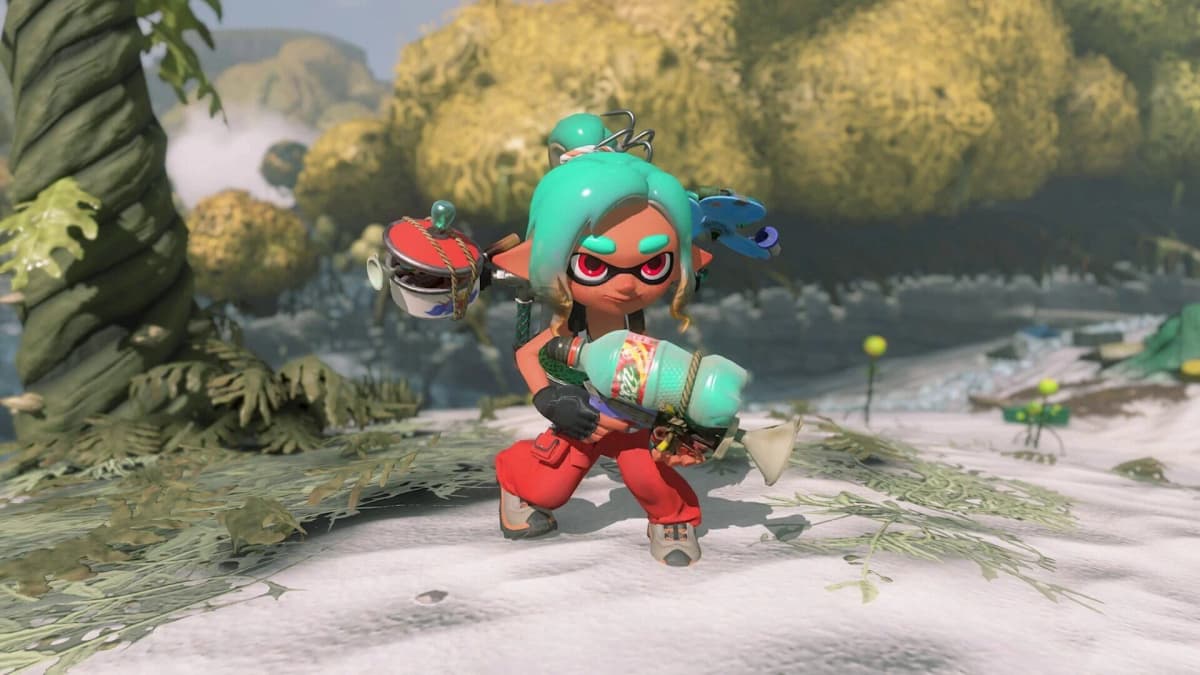
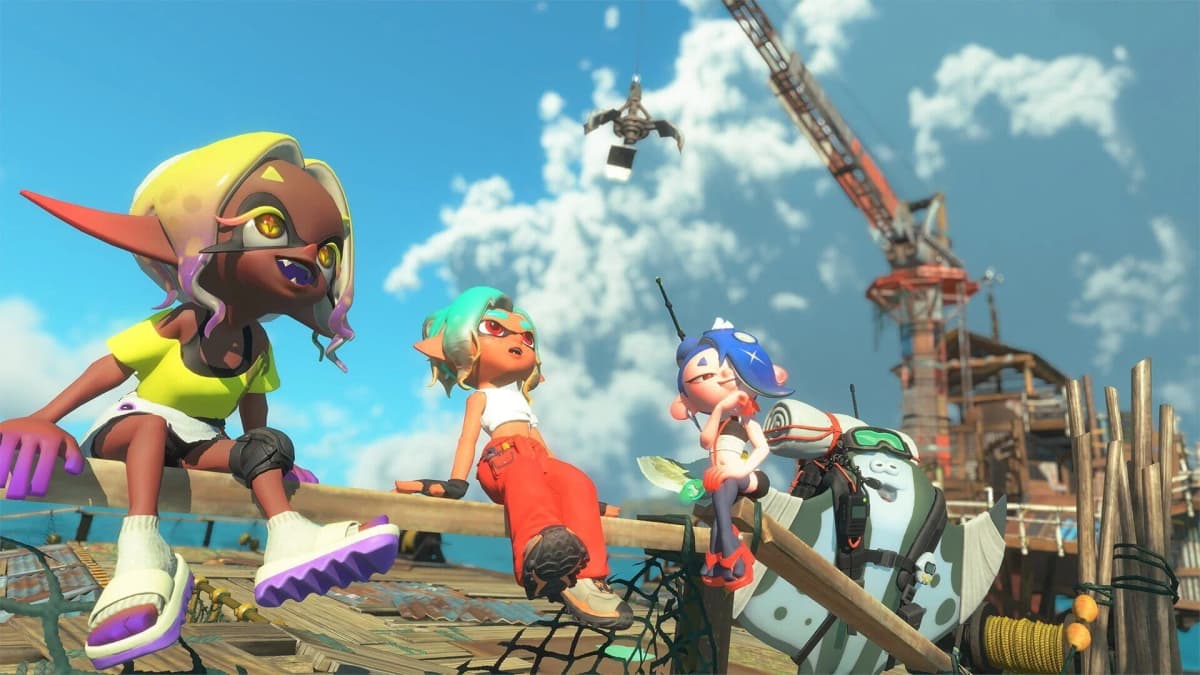
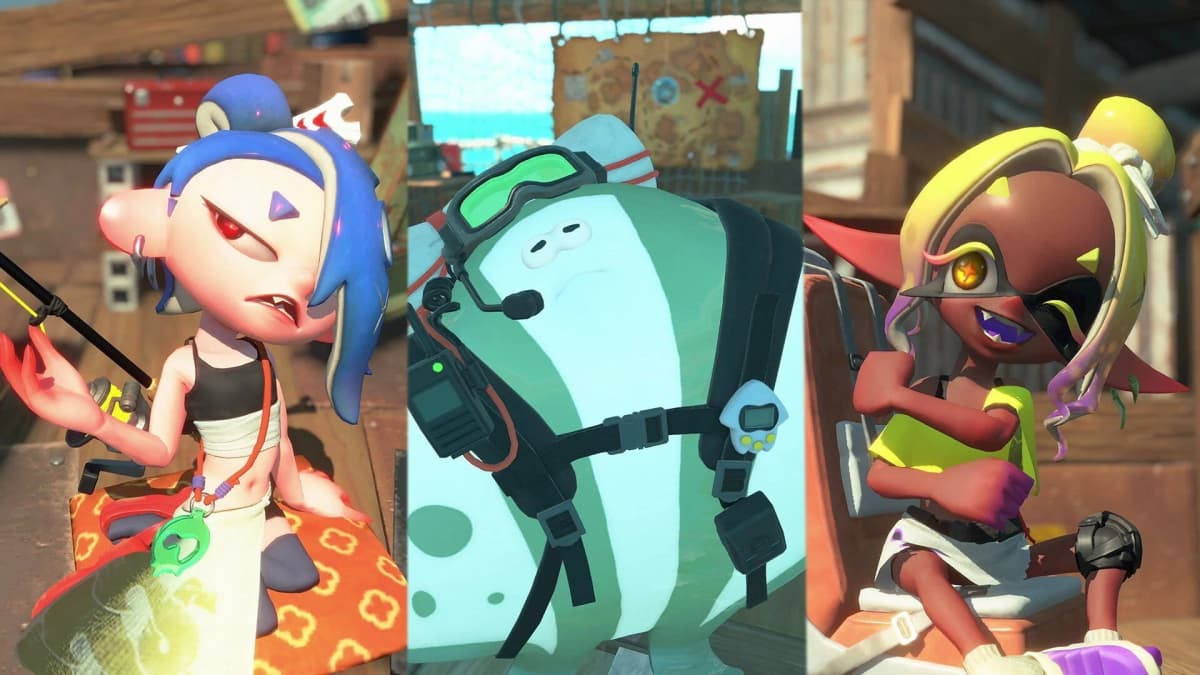
Raiders also has the kind of structure that makes an installed game linger. The Spirhalite Islands are built around raiding, Deep Cut is part of the adventure, and the loadout layer goes well beyond choosing a favorite shooter. Tank types-Speed, Power, and Tactical-determine the gadgets available, while more than 100 weapon variations can carry levels and special powers. Players who enjoy building out several approaches will likely keep it installed long after the first campaign run.
Difficulty does not require separate storage planning. Tourist, Raider, and Survivalist alter the toughness of Salmonids, while higher settings do not change loot. Pick the mode that suits the session; card capacity should be based on the wider game library.
The Right microSD Express Capacity for Splatoon Raiders
256GB: The low-risk starter upgrade
A 256GB microSD Express card is the practical choice for someone who buys many games physically, keeps only a handful of downloads installed, or simply wants room to stop micromanaging the Switch 2’s internal storage. With Raiders taking 13.1GB, this tier has plenty of capacity for the game, its future updates, and a carefully managed digital rotation.
The limitation is library churn. Delete-and-redownload management becomes more common once several large digital games pile up, especially on a console used by more than one person. It is still a better fit than paying for 1TB storage that remains empty for years.
512GB: The best overall buy
For a Switch 2 that will see regular use, 512GB is the card to target. It leaves abundant room for Splatoon Raiders while allowing a varied digital library to stay installed: long-form games, multiplayer staples, smaller indies, demos, and the odd download that remains on the system because nobody wants to clear it out before a weekend session.
This capacity also makes more sense for Raiders players who expect to use its four-player local wireless or online support regularly. A game built around different tank builds, gadgets, and weapon variations is far more convenient when it stays ready to launch rather than becoming part of a constant storage shuffle.
There is a price rule worth following: if a trustworthy 512GB microSD Express card costs less than twice the price of a comparable 256GB model, take the 512GB card. The capacity doubles, and the extra headroom delays the next storage purchase by a meaningful margin.
1TB: Buy convenience, not fear
A 1TB microSD Express card is for the all-digital Switch 2 owner, a household sharing one console, or anyone who treats deleting games as an unnecessary chore. It is the cleanest option for a large library, and it avoids the familiar moment when an update arrives just after the system has run out of space.
It is also easy to overbuy. Splatoon Raiders does not justify 1TB on its own, even if it becomes a weekly multiplayer fixture. The premium only makes sense when the rest of the library is already headed in the same direction. If a 1TB card costs close to double a 512GB equivalent, that price tracks with the doubled capacity. If the premium climbs sharply above that, 512GB is usually the better value.
MicroSD Express Is the Requirement, Not a Nice Extra
The costly mistake is buying a regular microSD card because it has a familiar brand name, a large capacity number, and a tempting sale price. Switch 2 requires microSD Express cards for expandable game storage. Conventional microSD, microSDHC, and microSDXC cards from an older Nintendo Switch do not provide the required storage support for Switch 2 games.
MicroSD Express uses a PCIe and NVMe-based interface, putting it in a different technical class from the UHS cards that became standard Switch upgrades. The physical format is still tiny, which makes the packaging easy to skim past in a store listing. Look for the words microSD Express specifically. “microSDXC,” “UHS-I,” and a high advertised read-speed number are not substitutes.
There is also no need to chase the biggest speed figure printed on the box. Switch 2 compatibility and capacity are the buying priorities. A proper microSD Express card from a reputable seller at the right capacity beats an expensive card chosen solely because its packaging promises an enormous peak number that the console does not need for this decision.
Leave Room for Updates Instead of Filling Every Last Gigabyte
Storage planning gets messy when a card is treated like a suitcase that should be packed until the zipper barely closes. Keep free room. A 20GB reserve is a sensible floor for a Switch 2 library, and 30GB is more comfortable on 512GB or 1TB cards. That space gives game updates somewhere to land and keeps a single new download from triggering an unwanted deletion session.
Save data should not drive the card-capacity decision. Switch 2 save data lives in system memory rather than on the microSD Express card. The card is for game downloads and their associated storage needs; the larger concern is the patch and install footprint of the full library.
That distinction is especially useful with Splatoon Raiders. The 13.1GB install tells a buyer how much game-storage room Raiders needs today. It does not predict the eventual size of updates, and it says nothing about the size of every other game competing for space. Buy for the library that will exist six months after launch, not the empty home screen visible on day one.
FinalBoss // Gear
Level up your setup
01Best-selling Switch 2 gameson Amazon→02Switch 2 accessorieson Amazon→038BitDo controllerson Amazon→04Discounted game keyson Kinguin→
Affiliate links · As an Amazon Associate, FinalBoss earns from qualifying purchases.
Want to Level Up Your Gaming?
Get access to exclusive strategies, hidden tips, and pro-level insights that we don't share publicly.
Ultimate Tech Strategy Guide + Weekly Pro Tips