
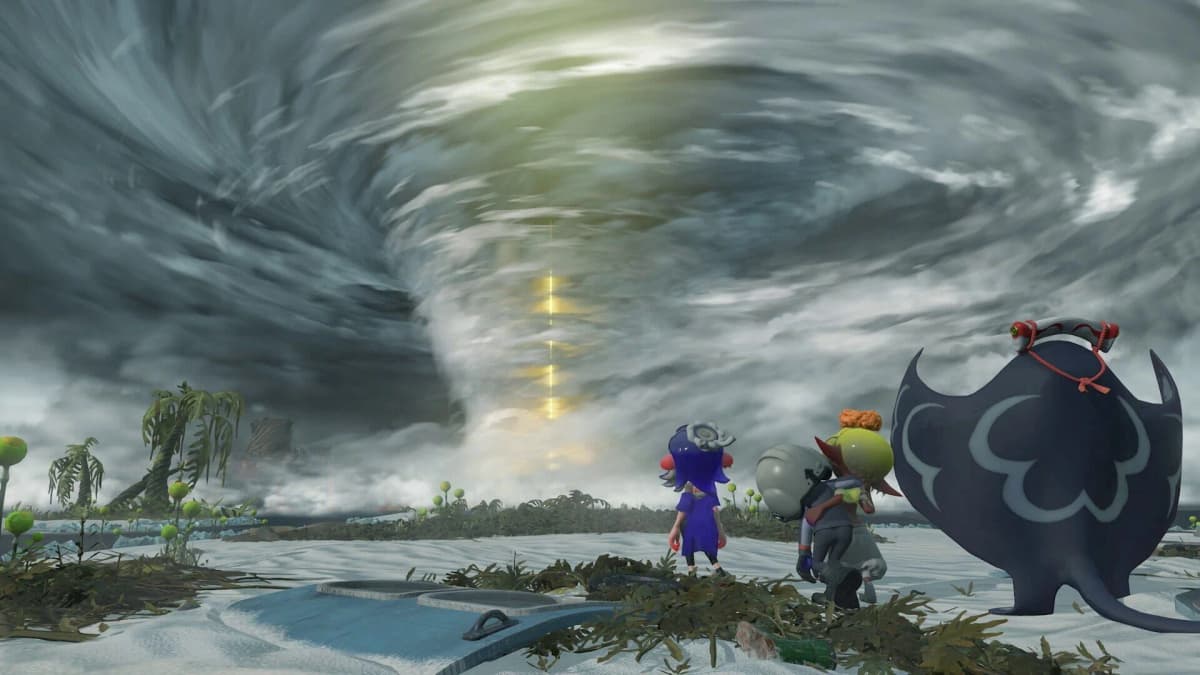
Start Splatoon Raiders with the main story, use its short missions to learn one tank role and a small gadget kit, then move into co-op raids once your gear progression has a clear purpose. The early trap is treating every weapon drop and module roll as a must-farm upgrade: the campaign’s combat puzzles, exploration, platforming, and Sampler Dungeons give you a better foundation before repeatable raids enter the picture.
Splatoon Raiders is a Nintendo Switch 2 game. Its main campaign supports solo play, while raids and repeatable missions support two to four players through local or online co-op. If your group is not online, the Call for Help and Go Help systems provide another route into assistance when you need it.
Table of Contents (6)
Use the Story as Your First Progression Route
The first-day priority is the campaign across the Spirhalite Islands. Its missions are built as compact two-to-eight-minute challenges, so they are the cleanest place to learn ink movement, enemy pressure, arena layouts, and the game’s gadget-driven combat without the noise of a full co-op squad.
Follow the story through its Deep Cut and Clan Surimi material before committing to repeated raid runs. The campaign is structured around different kinds of combat problems rather than one long, identical enemy loop: one mission may lean on clearing large Salmonid groups, while the next asks you to manage traversal, a mining objective, an arena hazard, or a puzzle. That variety matters because it teaches when a gadget is solving a real problem instead of simply adding damage.
- Play solo first if you are new to Splatoon-style aiming and ink movement, or if you want room to understand each arena.
- Use story missions to test equipment before deciding that a new weapon or module deserves resources.
- Return to unfinished side challenges later rather than forcing a difficult platforming or combat room with an undeveloped kit.
- Take Sampler Dungeons seriously when they become available. Their handcrafted gadget challenges are where flexible builds become more valuable than a single high-stat drop.
Pick Difficulty for Learning, Then Raise the Pressure
Your starting difficulty should match what you need from the first few hours. A comfortable setting is the efficient choice if you are still adapting to gyro aiming, since Raiders does not provide a mouse-like aiming alternative. You will learn more by staying mobile, painting escape routes, and reading enemy behavior than by repeatedly forcing encounters that outpace your control comfort.
Once the basic movement and aiming loop feels natural, tougher stages become much more useful. Raiders gains depth from enemy-and-arena combinations: an encounter changes when you must keep a route inked, protect a mining objective, control a wave of Salmonids, and preserve a gadget for the next threat. Difficulty works best as a way to sharpen those decisions, not as an early wall to grind against.
Give Your Tank a Job Before You Upgrade It
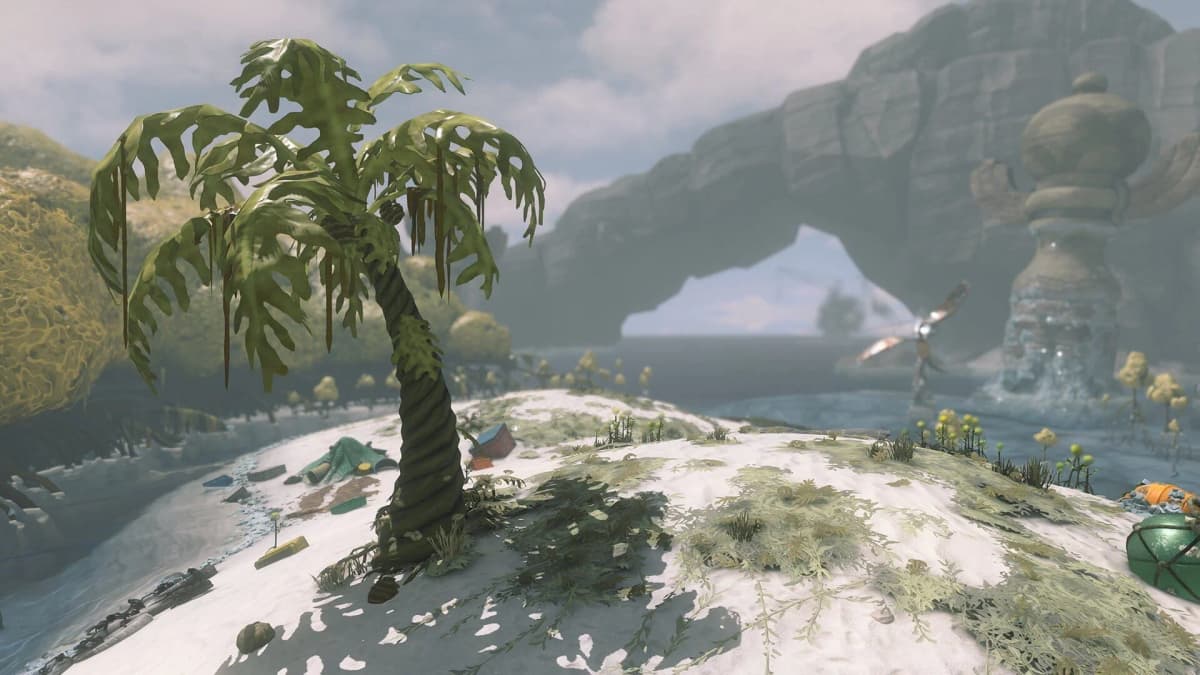
Tanks are strongest when they support a defined team need. In solo missions, favor a role that keeps you alive through messy waves and gives you space to recover your position. In co-op, the useful question is whether the squad needs someone to hold enemy attention, stabilize the objective, create safe movement space, or help finish priority targets.
A four-player group does not need four identical damage-focused setups. Raiders puts enough pressure on positioning and objective control that a tank built around keeping the team’s route open can contribute as much as the player chasing the biggest clear numbers. This is especially important in Salmon Run-style raids, where a dropped objective or blocked path can undo a strong damage phase.
- Use a frontline tank role when the group needs breathing room during dense enemy waves.
- Use a supportive tank role when the objective and team movement matter more than quick kills.
- Use a balanced role for solo story missions, where one player must handle damage, movement, and survival together.
- Avoid investing heavily in duplicate tank roles before your regular co-op group has identified what it lacks.
Build Gadgets Around a Problem, Not a Tooltip
Gadgets are the part of Raiders that rewards experimentation most directly. Treat them as answers to specific situations: surviving a crowded arena, maintaining mobility through dangerous territory, controlling a wave, reaching an awkward route, or creating a safe opening around an objective. A gadget that looks modest in the hub can become essential inside a dungeon designed around its use.
Keep your early setup flexible. The campaign’s level design changes often enough that a kit built entirely for one comfortable mission type can become clumsy in the next. Before spending heavily, take a gadget into story missions and Sampler Dungeons where its purpose is obvious. That shows whether it improves your actual decision-making or only makes an already-easy encounter faster.
Do not judge a gadget only by raw damage. In Raiders, movement and control have direct value because ink mobility, arena geometry, and objective pressure are part of the fight. The best early gadget is usually the one that prevents a failed position from becoming a failed mission.
When to Start Co-op Raids
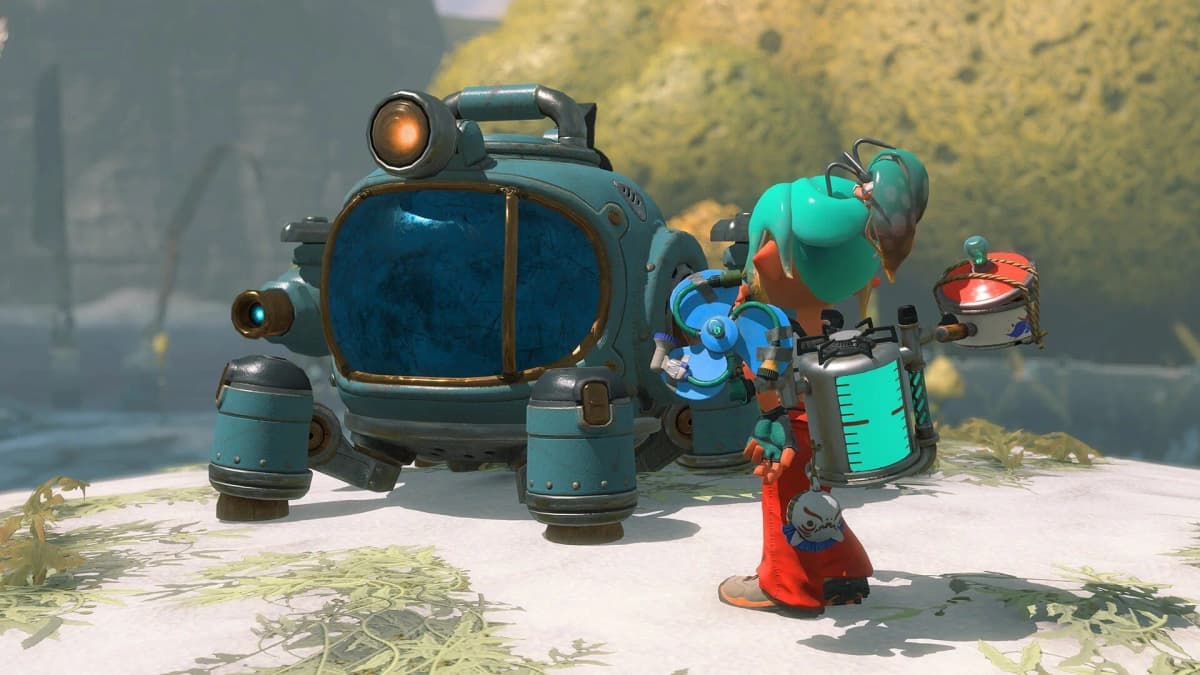
Move into co-op after you understand your own tank and gadget loop well enough to play without constant menu changes. Story progress gives you a clearer read on weapon handling and encounter flow; raids then become a place to apply that knowledge alongside other players rather than a shortcut around learning the systems.
For an early group, assign broad responsibilities before launching a repeatable mission: one player should be ready to manage frontline pressure, one should protect movement and objective space, and the remaining players should cover damage or utility gaps. Those jobs can shift during a run, but having them in mind prevents the common early-co-op problem where everyone chases the same enemies while the team loses control of the arena.
- Prioritize the mission objective over scattered loot during active enemy pressure.
- Leave yourself an inked retreat path instead of spending every resource on the first wave.
- Use assistance features early when a run is collapsing; waiting until the group is fully overwhelmed wastes the recovery window.
- Bring tested gear into raids. Repeatable content is a poor place to discover that a new weapon or gadget does not suit your aiming or movement style.
Avoid the Early Gear Grind
Raiders has a fast gear loop built around weapons, modules, abilities, and tank customization, but it does not reward indiscriminate upgrading. Weapon affix rolls can be underwhelming, and later progression can lose momentum if you keep farming every apparent upgrade rather than developing equipment you already handle well.
Use a simple first-day rule: keep gear that strengthens the role you are actively playing, and treat everything else as future experimentation rather than an immediate project. A weapon that fits your movement, aiming, and gadget choices will do more for your raid performance than a marginally better roll on a weapon you do not enjoy using.
- Upgrade a small core of weapons instead of spreading resources across every drop.
- Choose modules and abilities that support your tank’s job and gadget use.
- Use campaign missions to compare gear, since their short format makes differences easier to feel.
- Save prolonged repeatable-mission farming for after you have a stable co-op role or a specific equipment goal.
The efficient release-day path is simple: clear story missions across the Spirhalite Islands, learn how your tank and gadgets handle different combat puzzles, then enter co-op raids with a role your team can use. Build around equipment that improves that role, and leave broad weapon-affix grinding until the campaign and Sampler Dungeons have shown you what you actually want to play.
FinalBoss // Gear
Level up your setup
01Best-selling Switch 2 gameson Amazon→02Switch 2 accessorieson Amazon→038BitDo controllerson Amazon→04Discounted game keyson Kinguin→
Affiliate links · As an Amazon Associate, FinalBoss earns from qualifying purchases.
Want to Level Up Your Gaming?
Get access to exclusive strategies, hidden tips, and pro-level insights that we don't share publicly.
Ultimate Guide Strategy Guide + Weekly Pro Tips