
Splinter Cell: Deathwatch Lands on Netflix — A Real Return for Sam Fisher or Just Brand Management?
Game intel
Tom Clancy's Splinter Cell (Series)
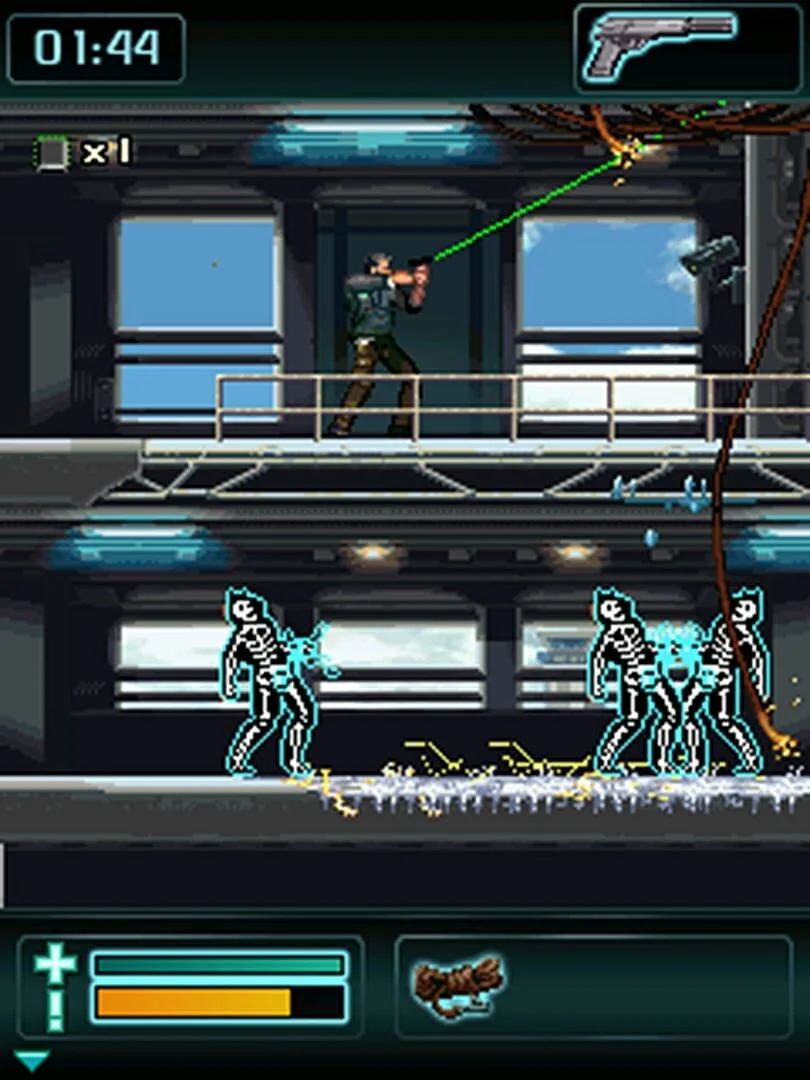
2D versions of the game were released for the Game Boy Advance and N-Gage (the latter as Tom Clancy's Splinter Cell: Team Stealth Action), as well as the mobil…
Why This Caught My Eye This Weekend
As someone who grew up ghosting through enemy lines in Chaos Theory and arguing about whether Blacklist “counted” without Michael Ironside, a new Splinter Cell anything instantly raises my pulse-and my eyebrows. Netflix’s Tom Clancy’s Splinter Cell: Deathwatch is an adult animated series produced by Ubisoft Film & Television, premiering October 14, 2025. It stars Liev Schreiber as Sam Fisher, pairs him with a new operative named Zinnia Mckenna, and comes out swinging with animation from Sun Creature and Fost under director Guillaume Dousse. The kicker? Netflix renewed it for a Season 2 less than 24 hours after launch. That speed signals confidence-and pressure.
Key Takeaways
- Eight-episode Season 1 directed by Guillaume Dousse with animation by Sun Creature and Fost-expect precise, kinetic action rather than Saturday-morning flash.
- Liev Schreiber voices Sam Fisher. Iconic purists will miss Ironside, but Schreiber’s gravitas could sell a seasoned, weary Fisher.
- Premature renewal (Day 2) hints at strong internal metrics and a multi-season arc—good for deeper spy plotting, risky if Season 1 doesn’t stick the landing.
- Produced by Ubisoft Film & Television—authentic gadgets and tone feel likely, but corporate synergy can also sand down edges. Watch for safe plotting.
Breaking Down the Announcement
Deathwatch frames itself as a faithful, adult spy thriller built around infiltration, political intrigue, and night-vision tension. The setup pairs Fisher—older, clinical, and still lethal—with Zinnia Mckenna, a fresh operative who’ll either be the emotional core or another “rookie POV” archetype. If the writing trusts quiet beats and methodical planning as much as the payoff, this could finally give Splinter Cell fans what we’ve begged for: the art of stealth on screen rather than another guns-blazing Tom Clancy spin-off.
Sun Creature and Fost handling the animation is what really sold me. Splinter Cell lives or dies on clarity: silhouettes, light cones, lens flares, muzzle flash, and the thrum of those iconic three green LEDs. Animation that respects lighting logic means stealth reads instantly without exposition. Guillaume Dousse’s direction suggests crisp staging—think clean geography, strong contrast, and confident cuts that show you how Sam gets in and out, not just that he does.
The Arcane/Edgerunners Effect—and Why Splinter Cell Is Different
Arcane and Cyberpunk: Edgerunners proved animated game adaptations can be prestige TV, not merch tie-ins. But Splinter Cell isn’t a stylized power fantasy; it’s grounded, paranoid, and low to the floor. Success here isn’t about fireworks—it’s about restraint. If Deathwatch embraces silence, shadow, and moral ambiguity, it could stand out in a sea of neon spectacle by being the anti-spectacle. Netflix betting on a stealth-forward thriller right now tracks with a platform that’s found its lane in game-derived animation—this one just operates with a colder heartbeat.
Want to Level Up Your Gaming?
Get access to exclusive strategies, hidden tips, and pro-level insights that we don't share publicly.
Ultimate Gaming Strategy Guide + Weekly Pro Tips
What Will Make or Break It for Gamers
- Stealth authenticity: Show light and sound systems matter. Let Sam shoot out bulbs, hug darkness, and use cover-to-cover movement that feels intentional, not teleport-y.
- Gadgets with purpose: Sticky cams, fiber-optic cables, EMP darts—if the toys are just visual flair, it’s not Splinter Cell. Make the toolkit the solution space.
- Tension over body count: The best missions feel like breathing exercises. One mistake spirals; a perfect run feels like sorcery. Pace episodes like operations, not boss rushes.
- Voice and character: Schreiber can nail that tired-professional cadence. Give him space for dry gallows humor and quiet menace. Let Zinnia be competent, not exposition on legs.
- Consequences and politics: Splinter Cell works when it stares into the gray. If Deathwatch dodges the fallout of covert ops, it’ll feel sanitized.
The Gamer Context: A Dormant Classic Wakes Up
The series lands after a decade-plus of Ubisoft teasing Fisher through cameos while the mainline franchise idled. With a Splinter Cell remake in development, Deathwatch isn’t just content—it’s a tone-setter. If this nails the mood—precision, patience, pressure—it can reignite a fanbase that’s been in hibernation since Blacklist. If it goes generic “Clancyverse,” it’ll be another reminder that stealth is easy to market and hard to execute.
I’m hopeful because the creative package screams intent: a focused eight episodes, a director known for clean visual storytelling, and animation teams that can make darkness legible. The early Season 2 renewal suggests Netflix sees an arc worth investing in. But I’m also watching for the usual pitfalls—pilot that over-explains Third Echelon, midseason bloat, and finales that swap stealth for spectacle. Splinter Cell deserves confidence, not compromise.
TL;DR
Splinter Cell: Deathwatch brings Sam Fisher back as an adult animated espionage series with Liev Schreiber, Sun Creature, and director Guillaume Dousse—and it already has a Season 2. If it prioritizes tension, tools, and shadow over explosions, this could be the stealth comeback fans have waited for. I’m in, cautiously and loudly.