
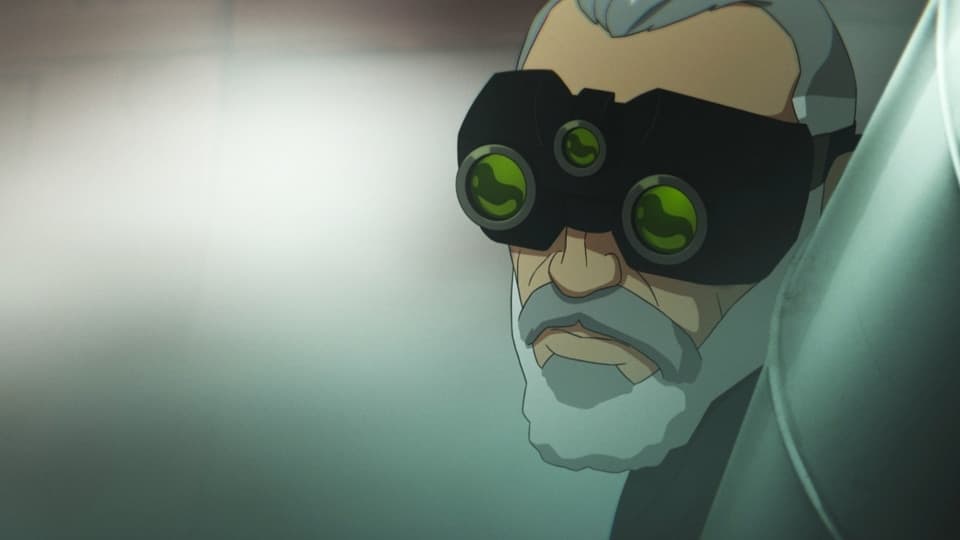
I’ve been waiting over a decade for Ubisoft to do something meaningful with Splinter Cell beyond cameos and mobile experiments. So when Splinter Cell: Deathwatch quietly dropped eight animated episodes on Netflix, led by John Wick’s Derek Kolstad and voiced by Liev Schreiber, I hit play fast. The big question for longtime fans isn’t “Is it slick?”-it’s whether the show respects the series’ stealth-first DNA or trades it for gun-fu fireworks.
Ubisoft Film & Television teamed with FOST and Sun Creature to deliver an adult-animation take on Tom Clancy’s black-ops icon. Kolstad’s fingerprints are here: clean motivation, muscular set pieces, emotional anchors. It’s not a remake of any game arc; it sits in the official timeline with a grayer, more brittle Sam dragged back for a personal extraction gone sideways.
The Netflix drop strategy fits: eight compact episodes, worldwide, day one. Each clocks around 27 minutes-a sweet spot for spy beats and one big action flourish per chapter. Production quality is strong: expressive character animation, bold silhouettes for night ops, and a confident color script that sells “bleeding neon through rain-slick glass.” It’s less painterly than Arcane and less punk-chaos than Edgerunners, but it finds its own tactical aesthetic.
This is where the Splinter Cell faithful will raise eyebrows. The franchise was never about body counts; it’s about light cones, sound meters, intel loops, and patience rewarded. Deathwatch sprinkles in classic beats—night-vision visor glint, silent takedowns, vent crawls—yet often pushes toward kinetic brawls and shootouts with Wick-like clarity. It’s cool choreography, but the “don’t be seen” anxiety that defined Chaos Theory isn’t the show’s heartbeat.
Some critics are already calling the tone “adult animation made for kids,” which I’d translate as: the presentation is grim and stylish, but the thematic edge doesn’t always cut as deep as the staging suggests. Pacing can wobble too; a couple of mid-season episodes are table-setting more than needle-moving. None of it ruins the ride, but stealth diehards will wish for more sequences where the tension comes from shadows and timing, not muzzle flashes.
Michael Ironside’s gravel is part of Splinter Cell’s identity, and Blacklist’s switch to Eric Johnson showed how sensitive that change is. Liev Schreiber doesn’t imitate Ironside; he plays an older Sam with a heavy, lived-in cadence that makes sense for the premise. It’s a strong performance that sells mentorship and regret. Will purists miss Ironside? Absolutely. Does Schreiber make this version credible? Yes—and he lands the quiet, in-between lines where Sam does his best work.
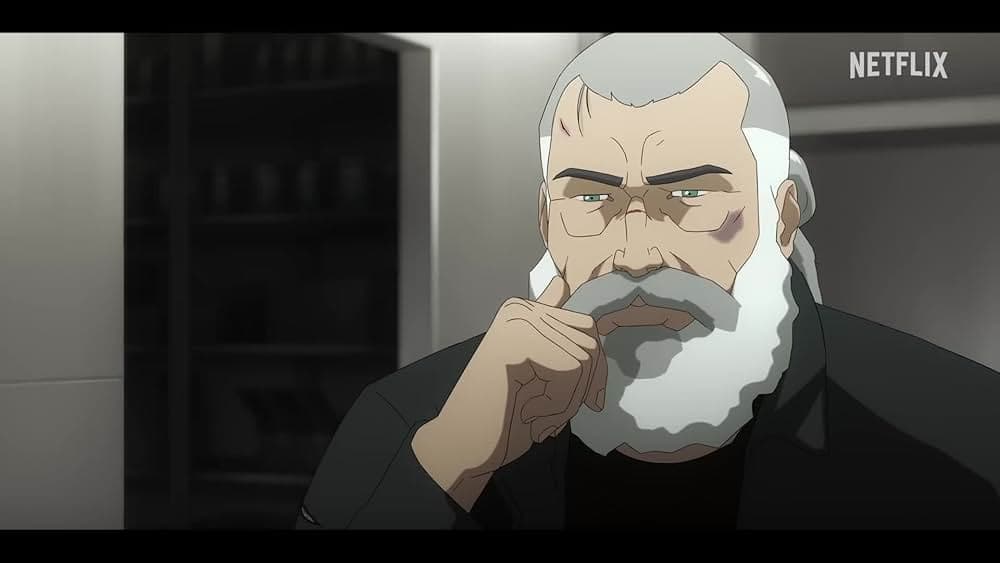
Ubisoft’s been threading its IP through film and TV for years, and Splinter Cell has been largely dormant in games since 2013’s Blacklist. With a remake officially in the works at Ubisoft Toronto, Deathwatch feels like groundwork—reacquaint audiences with Fisher, reframe the tone, and widen the fanbase beyond players who measure their lives in quicksaves. It’s the same playbook that worked for Cyberpunk: Edgerunners (which reignited game sales) and, at a different scale, Arcane (which reframed League’s universe for non-players).
Crucially, calling Deathwatch “canon” raises the stakes. If this older, scarred Sam is the baseline, the remake might echo that arc—or at least the emotional register. That’s promising if it means tighter storytelling, but worrying if it nudges gameplay away from patient infiltration toward fireworks first. We’ve seen what happens when Splinter Cell edges too close to run-and-gun: the community notices.
Alongside the show, Ubisoft brought Splinter Cell: Pandora Tomorrow back to Steam—quietly, but meaningfully. That game has been notoriously hard to access on modern storefronts. Having it readily available gives newcomers who discover Sam on Netflix a legit path to the series’ core: slow, methodical, systems-driven stealth with optional non-lethals and level designs that ask you to think in shadows. If Deathwatch is the gateway, Pandora Tomorrow (and Chaos Theory, if you can) is the masterclass.
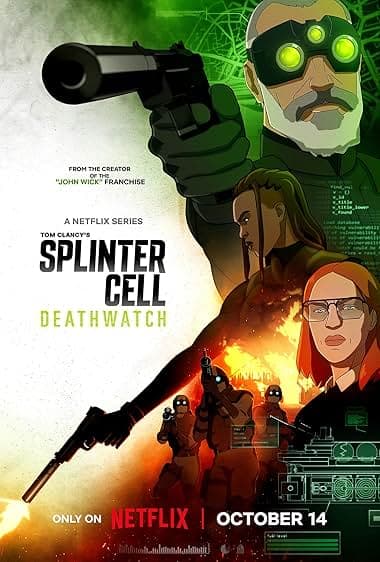
If you want the pure stress of ghosting a mission with zero detections, temper expectations. If you’re up for a slick spy thriller that occasionally remembers to turn the lights off and whisper, it’s an easy binge with a compelling older-Sam hook. The production values clear the bar, Schreiber carries the character with heft, and the canon angle makes it relevant for the franchise’s future. Just know you’re getting more “cleanly executed action” than “meticulous infiltration puzzle.”
Splinter Cell: Deathwatch is a stylish, canon Netflix take that favors action over classic stealth, anchored by a strong Liev Schreiber performance. It’s good TV, not a stealth clinic—watch it, then boot up Pandora Tomorrow on Steam to remember how tense the shadows can be.
Get access to exclusive strategies, hidden tips, and pro-level insights that we don't share publicly.
Ultimate Gaming Strategy Guide + Weekly Pro Tips