
Splinter Cell: Deathwatch Trailer Drops — Netflix’s Take Looks Slick, But Can It Nail Stealth?
Game intel
Splinter Cell: Deathwatch
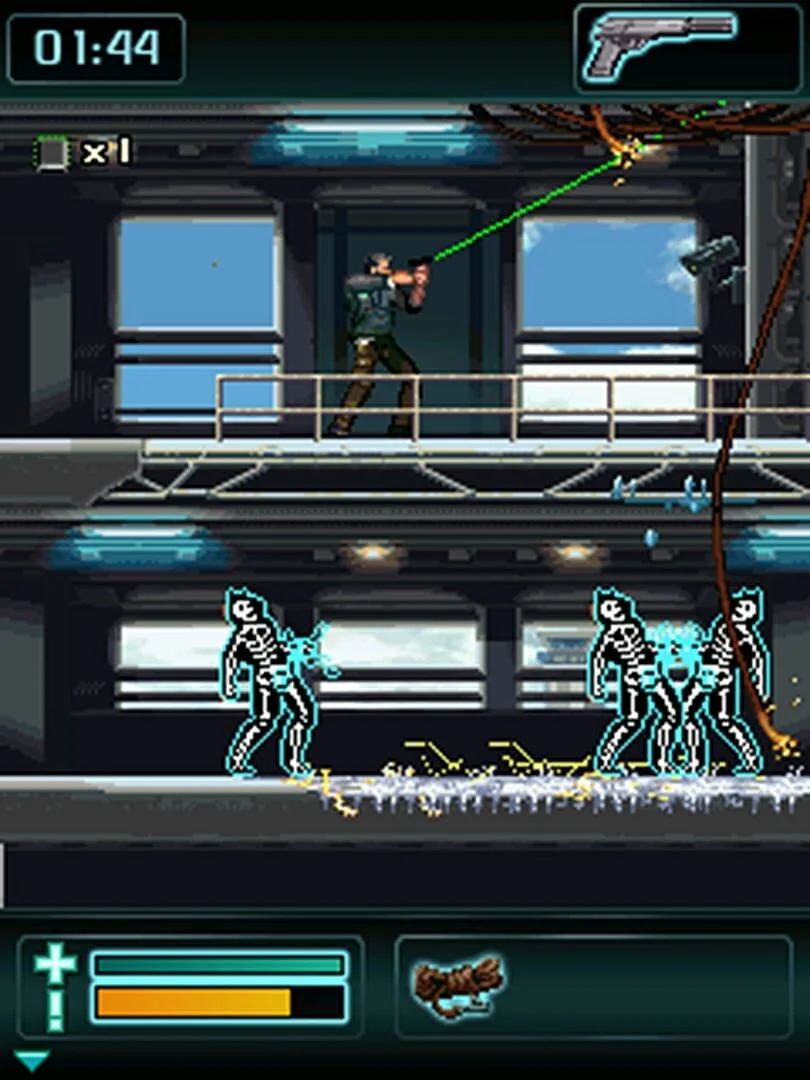
2D versions of the game were released for the Game Boy Advance and N-Gage (the latter as Tom Clancy's Splinter Cell: Team Stealth Action), as well as the mobil…
Why This Trailer Actually Got My Attention
Splinter Cell: Deathwatch finally stepping into the light with a first trailer and an October 14, 2025 Netflix premiere hits a nerve for anyone who’s waited since Blacklist for Sam Fisher to matter again. I grew up ghosting through Chaos Theory on Expert-no alerts, lights out, sticky cams for days-so yeah, I’m protective of what “Splinter Cell” means. The good news: the show isn’t pretending to be anything but adult espionage. The bad news: animation can easily drift into loud action when this series lives and dies by quiet tension.
Key Takeaways
- Release is locked: October 14, 2025 on Netflix, with an older Sam Fisher front and center.
- Liev Schreiber voices Sam-big shoes after Michael Ironside’s gravel, but the “older Sam” angle helps.
- Derek Kolstad (John Wick) is writing, which promises precise choreography—if it doesn’t drown out stealth with gun-fu.
- The animation from Sun Creature/Fost looks moody and deliberate; the iconic trifocal glow is here, thankfully.
Breaking Down the Announcement (Minus the Hype)
The pitch is clean: an animated, adult take set in the Splinter Cell universe, exploring counter-terror themes with a seasoned Fisher. Liev Schreiber as Sam, Janet Varney as Grim, and a couple of new names (Zinnia McKenna, Thunder) hint at a small-crew dynamic that could mirror the best Fourth Echelon mission briefings. Directors Guillaume Dousse and Félicien Colmet-Daage are leaning into hard shadows, heavy contrast, and focused gadget work—night vision, suppressed takedowns, and the classic “don’t get seen” pacing.
The creative wildcard is Kolstad. He’s brilliant at constructing escalation and clean geography in action scenes, but Splinter Cell’s soul isn’t the fight you can see; it’s the one you avoid entirely. If Deathwatch remembers that tension, we might actually get something that feels like slipping past a guard because you studied his patrol loop—not because you out-punched him.
The Ironside Shadow and Why Casting Matters
Let’s be real: Michael Ironside is part of the franchise’s DNA. His delivery turned “Fisher” from a loadout into a person. Recasting was inevitable for an ongoing series, but it will be the battleground for fan trust. Schreiber has the gravitas and that weathered calm; paired with an older Sam, it could work. My ear test during the trailer: he sounds measured, not cartoon-tough. If the writing avoids quippy “badass” clichés and lets silence do the heavy lifting, the new voice can click without feeling like a cosplay of Ironside.
Will It Feel Like Splinter Cell—or Just Spy Action With Green Lights?
What separates Splinter Cell from generic spy fare is systems thinking: light and sound meters, non-lethal options that matter, intel that re-routes objectives, and level design that rewards patience. The trailer flashes the right iconography—trifocals, fiber cams, chokeholds—but the show has to commit to the slow burn. Show me Sam waiting an extra beat to catch a guard during a radio check. Let a mission fail because someone checked a door Sam “should” have locked. Use sound design as a mechanic, not just mood. Animation can absolutely sell that (see: Arcane’s surgical pacing, Edgerunners’ grounded moments)—it just takes restraint.
I’m also watching for moral ambiguity. The best Splinter Cell beats made you wince at the “right” choice—interrogations that weren’t clean, objectives that compromised ideals. The PR line teases a personal mission; great, but make it messy. If Deathwatch dodges the convenient black-and-white and lets Fisher be a professional navigating gray, fans will follow.
Want to Level Up Your Gaming?
Get access to exclusive strategies, hidden tips, and pro-level insights that we don't share publicly.
Ultimate Gaming Strategy Guide + Weekly Pro Tips
Why This Matters Now
Ubisoft announced a Splinter Cell remake years ago and we’re still waiting. In the vacuum, Netflix adaptations have become the defibrillator for dormant IP. Cyberpunk: Edgerunners didn’t just entertain; it revived player counts and reminded people why Night City mattered. Castlevania reframed a legacy series for a new audience. Deathwatch has the same opportunity: stabilize the brand’s identity before the remake lands and reintroduce stealth as something stylish rather than slow.
The risk? Netflix burn-and-churn. Plenty of slick one-season wonders never get a second op. If Deathwatch is just a flashy sizzle reel for “brand engagement,” fans will smell it instantly. If it’s confident enough to prioritize suspense over spectacle, it could do what the games did at their peak: make you hold your breath without realizing it.
What Gamers Should Watch For on October 14
- Stealth over spectacle: Are most problems solved invisibly, or with set-piece brawls?
- Operational detail: Gadgets, comms discipline, and mission planning that feel grounded.
- Character voices: Does Schreiber’s Sam carry weight in silence, not just during monologues?
- Grim’s role: Is Grim a true operations partner or just exposition? The dynamic matters.
- Consequences: Do decisions ripple across episodes, or is everything reset button TV?
Looking Ahead
If Deathwatch lands, it buys Ubisoft time and goodwill for the remake and reminds studios that stealth tension can be bingeable. If it stumbles, it’ll be another lesson that you can’t slap a famous visor on a generic spy plot and call it Splinter Cell. I’m hopeful—cautiously. The trailer’s tone feels right. Now the series needs to do the hardest thing in TV and in stealth games: trust the quiet.
TL;DR
Splinter Cell: Deathwatch hits Netflix on October 14, 2025 with an older Sam Fisher voiced by Liev Schreiber and a moody animation style. It looks the part—but the real test is whether it commits to stealth, ambiguity, and silence over easy spectacle. If it does, Splinter Cell might finally be back for real.