
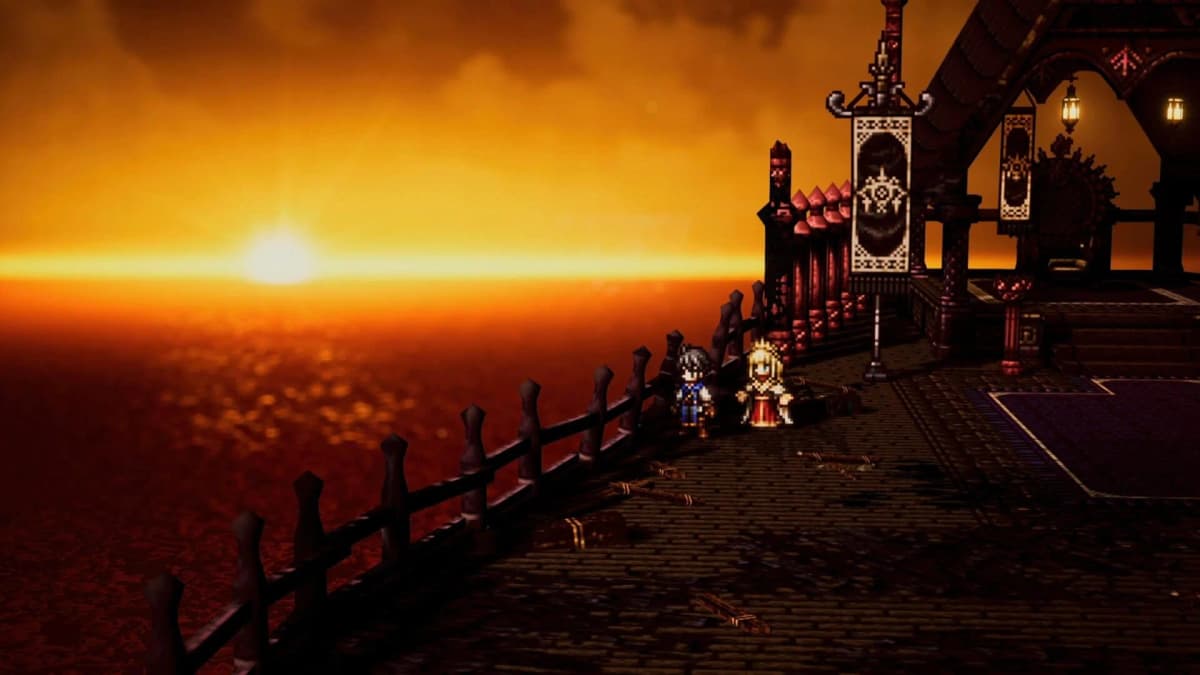
Square Enix’s HD-2D Evolution: Town-Building & Real-Time Combat
Game intel
Octopath Traveler 0
All the definitive elements of the Octopath Traveler series return in this exciting prequel set in the realm of Orsterra. Embark on a brand new adventure of yo…
At the Nintendo Direct Partner Showcase on July 31, 2025, Square Enix put its HD-2D vision firmly in the spotlight. Instead of leaning on another remaster, the publisher rolled out two bold headlines: Octopath Traveler 0, a prequel inviting you to rebuild and customize a war-torn town, and a hands-on demo of The Adventures of Elliot: The Millennium Tales for the upcoming Switch 2. Both drip with that pixel-art charm we’ve come to expect—but after watching the trailers and trying the demo, fans are left asking: are these genuine creative leaps, or just another comforting blast of nostalgia?
Why HD-2D Still Matters
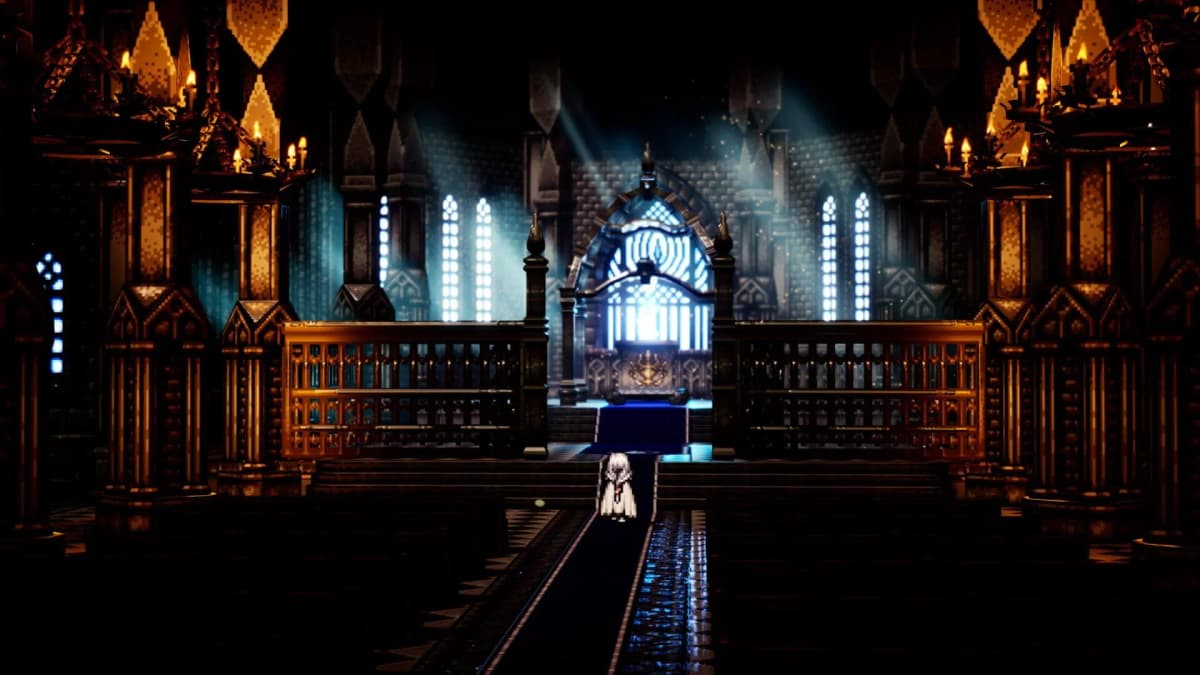
Square Enix’s HD-2D style marries 16-bit sprites with modern lighting, depth-of-field effects, and cinematic camera moves—proof you don’t need photorealism to stand out. Debuting with the original Octopath Traveler, the technique offered a middle ground between indie budgets and blockbuster graphics. In a crowded JRPG market, HD-2D feels both familiar enough to spark joy and flexible enough to experiment. Today, as indie studios scramble for attention and AAA budgets swell, this art direction remains a strategic play: nostalgic yet forward-thinking.
Digging into Octopath Traveler 0’s Town-Building Twist
Octopath’s hallmark has always been its eight distinct heroes with loosely linked stories. Octopath Traveler 0 turns that formula on its head. You’ll pick a single protagonist, then lead the charge to rebuild a shattered hamlet. Think of it as your pixelated urban renewal project: erect shops, allocate resources to forge weapons, and nurture NPC bonds—each choice potentially reshaping dialogue, side quests, and character arcs.
What makes this more than window dressing is the promise of meaningful feedback loops. If assigning extra materials to the blacksmith unlocks new weapon branches, or if boosting relations with the apothecary alters a healer’s personal storyline, the town evolves not just visually but narratively. In theory, your hands-on approach could foster a living world rather than a static backdrop. Of course, execution is key—if these mechanics feel like busywork rather than story fuel, Octopath 0 risks undermining its own ambition.
The Adventures of Elliot Demo: Real-Time Action Unleashed
Switching gears, the Elliot demo shuns turn-based pacing in favor of brisk, Trials of Mana–style combat. Players can swap between a sword, a bow, or dual daggers on the fly, while juggling a branching magicite upgrade system. A fairy ally doubles as transportation, letting you soar across castle ramparts and forest canopies. Early impressions praise the fluidity and tactical depth, but questions linger: will your demo progress carry over into the full game? Square Enix has hinted at potential save transfers, but nothing’s set in stone.
This demo also raises hopes for environmental puzzles tied to your fairy mount—imagine unlocking hidden alcoves by fluttering through stained-glass windows. If implemented, such vertical exploration could set Elliot apart from other action RPGs, giving depth to both combat and world design.
FinalBoss // Gear
Level up your setup
01Top-rated gaming headsetson Amazon→02High-refresh gaming monitorson Amazon→03Gaming chairson Amazon→04Discounted game keyson Kinguin→Affiliate links · As an Amazon Associate, FinalBoss earns from qualifying purchases.
Preorders, Monetization & What Players Need to Watch
Square Enix is doubling down on layered preorder tiers. From a bare-bones standard edition up to deluxe bundles loaded with exclusive costumes, extra quests, and premium gear, the lineup feels thicker than ever. Cosmetic packs promise visual flair, but the premium tiers hint at a more aggressive monetization approach. Gamers worry key abilities or narrative snippets might end up behind paywalls—especially if deluxe-only gear tips the combat balance.
It’s a familiar tension: optional DLC can fund ongoing support, but gating core content risks fragmenting the player base. Will these extras genuinely enrich the experience, or simply stoke prelaunch hype? Time will tell if early adopters feel rewarded or priced out.
Want to Level Up Your Gaming?
Get access to exclusive strategies, hidden tips, and pro-level insights that we don't share publicly.
Ultimate Gaming Strategy Guide + Weekly Pro Tips
Legacy Rewards & Cross-Save Speculation
Longtime HD-2D fans have come to expect loyalty bonuses. Square Enix teased perks for those who own previous Octopath or Dragon Quest HD-2D titles, though details remain vague. Cross-save functionality, bonus costumes, or in-game items that nod to past adventures are all on the table. These gestures can be meaningful—bridging old and new worlds—but only if they’re substantial. A single palette swap won’t cut it for dedicated fans.
Implications for the JRPG Landscape
While giant remakes like Final Fantasy VII Rebirth hog headlines, Team Asano’s HD-2D roadmap feels deliberately focused. By prioritizing inventive mechanics over photorealistic excess, these projects highlight the creative middle path. In a genre often criticized for bloat and repetitious releases, Octopath Traveler 0 and Elliot underscore the power of strategic innovation—but they also tread a fine line between homage and overreliance on nostalgia.
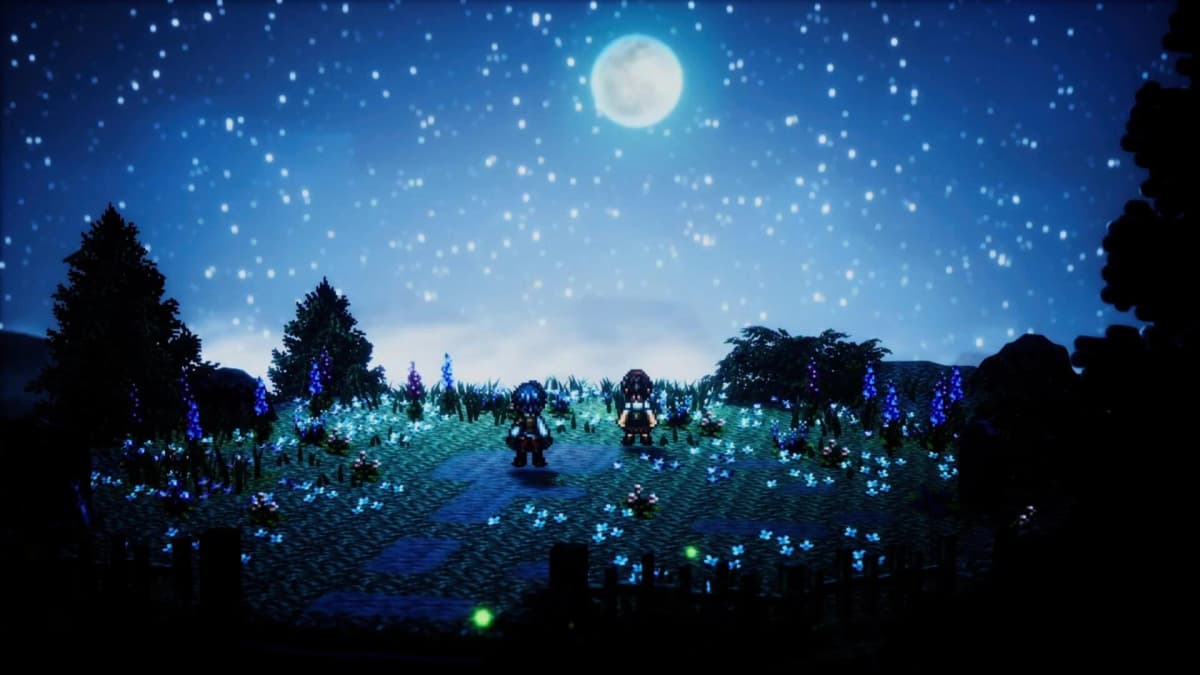
Developers at Square Enix are betting that HD-2D’s established charm plus fresh gameplay hooks will keep JRPG fans engaged. The risk? If underlying systems disappoint or monetization overshadows design, this era of pixel-perfect storytelling may lose its sparkle.
Bottom Line
Octopath Traveler 0’s reactive town-building and Elliot’s swift action demo offer promising glimpses of HD-2D’s next chapter: worlds that adapt, combat that breathes, and customization layered atop pixel art. Yet the ultimate test arrives after launch. Will these features translate into genuine player agency, or fizzle into deluxe-edition checklists? JRPG enthusiasts should remain excited—but keep a healthy dose of skepticism until we explore the full releases and see how these mechanics and monetization strategies truly perform.