
The important part is not that Square Enix got another FF14 harasser to apologize. It’s that the publisher is now showing, twice in quick succession, that “anonymous online abuse” is no longer being treated as inevitable community sludge. It is being treated as a solvable legal problem. That is a much bigger shift than one settlement notice.
On April 20, 2026, Square Enix said it reached a settlement with an anonymous Japanese video creator who had posted content on a video-sharing site that damaged the reputation of the company and Final Fantasy XIV staff. According to the company, the creator apologized, paid undisclosed compensation, agreed not to repeat similar acts, and removed both the videos and their account. The key detail is how Square Enix got there: it pursued disclosure measures to identify the person behind the account. Coming just weeks after the company’s March 9 action against the anonymous operator of Japanese blog Netoge Sokuho, this looks less like one-off retaliation and more like a standing enforcement strategy.
Table of Contents (6)
Key takeaways
- Square Enix is escalating from moderation and statements to legal deanonymization, settlements, and account removals.
- This is the second FF14-related harassment case in about two months, which makes it look like policy enforcement rather than PR theater.
- The real message is deterrence: if you build a channel or site around targeting staff, the company is signaling it may come after the person behind it, not just the posts.
- What matters next is whether this remains Japan-focused or becomes a broader template for how Square Enix handles harassment across regions and platforms.
This is not a community-management update. It’s a liability warning.
Most outlets will stop at “Square Enix settles with harasser.” That’s true, but it undersells what’s actually happening. A company does not go through disclosure procedures, secure identifying information, and announce compensation terms because it wants a nicer subreddit. It does that because it wants to create a credible threat of consequences.
And frankly, good. There’s a difference between harsh criticism, mockery, or the usual MMO salt, and targeted behavior designed to damage the reputation of individual staff. Publishers have spent years pretending that distinction is too messy to enforce. It isn’t. The messy part is that enforcement costs money, takes time, and invites blowback from the exact people being targeted. Square Enix appears to have decided that cost is now worth paying.
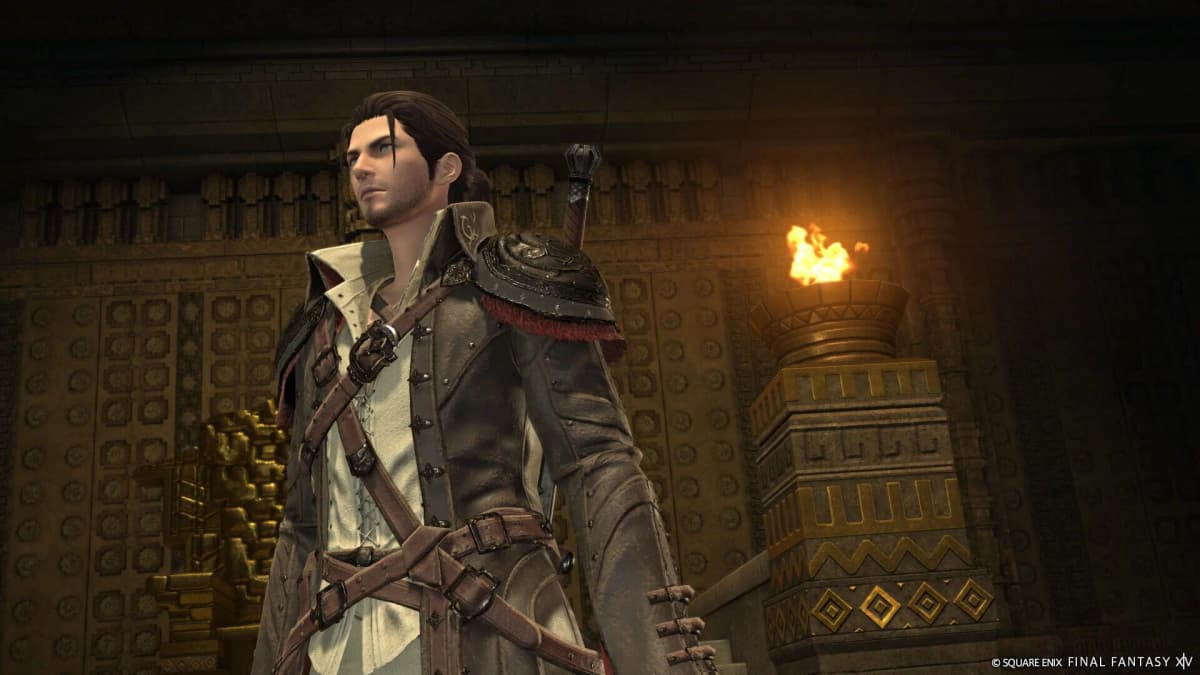
If I were in the press room, the question I’d ask is simple: what specific threshold triggers legal action instead of ordinary moderation? Because that is the part players, creators, and platform operators actually need defined. “Harassment” can be clear in extreme cases, but companies still need to show there is a consistent standard behind the crackdown, not just a willingness to hammer whoever becomes inconvenient.
The timing says Square Enix wants a precedent, not just a win
The March case already put everyone on notice. Square Enix said it had identified and settled with the anonymous administrator of Netoge Sokuho, a Japanese gaming blog tied to harassment of FF14 developers, and that case ended with the site shutting down. Now, less than two months later, the company has announced another settlement involving another anonymous actor, this time a video creator. Same general playbook: identify, pursue, settle, remove the content, shut down the channel of abuse.
That pattern matters. One legal action can be dismissed as an unusually extreme example. Two in rapid succession starts to look like institutional policy. Square Enix is effectively telling bad-faith actors that hiding behind a handle and a platform account is no longer enough. In MMO communities, where parasocial weirdness and creator drama can spiral into coordinated dogpiles fast, that is a serious line to draw.
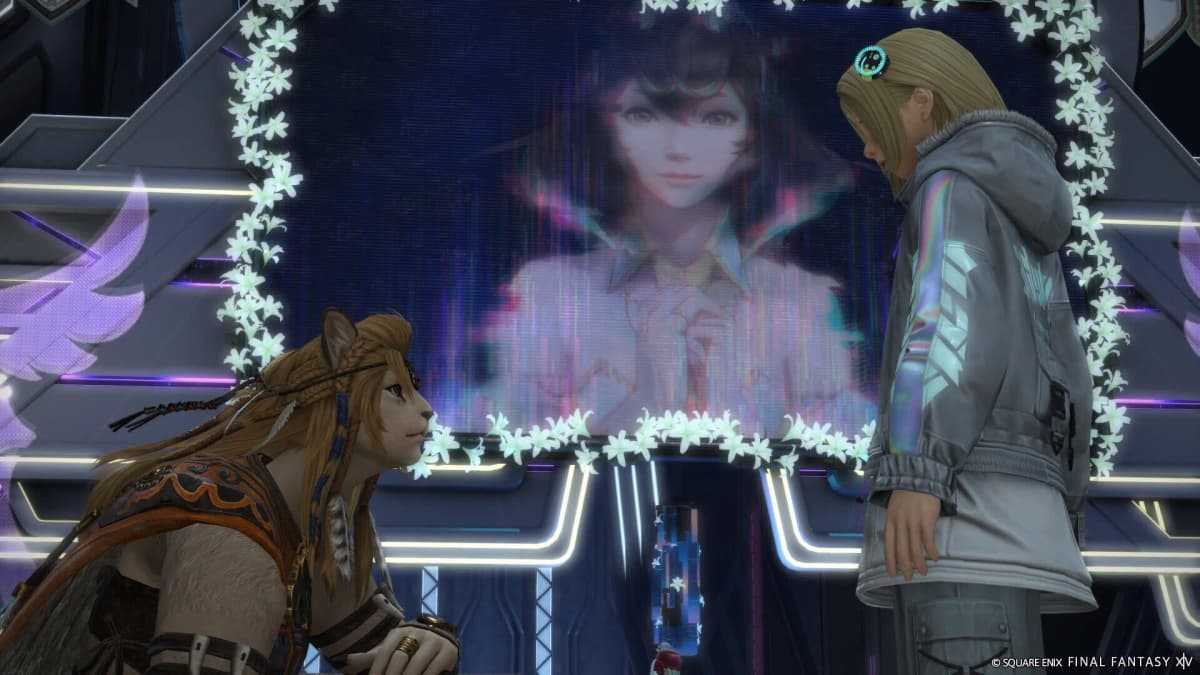
There’s also a broader industry context here. For years, studios have said they want to protect developers from abuse, then stopped at boilerplate conduct policies and a sad-faced social post. This goes further. It resembles the kind of escalation more publishers may eventually adopt if they decide platform-level moderation is too slow, too inconsistent, or too easy to evade. Not every company will have the appetite or legal runway to do it, but Square Enix is clearly testing what harder enforcement looks like in practice.
The uncomfortable part: this also raises questions about scope
None of that means gamers should cheer every legal intervention on reflex. The obvious concern is overreach. Once a publisher gets comfortable using court-backed disclosure to unmask anonymous posters, the next question is where it draws the boundary between targeted harassment and aggressive criticism. That line matters a lot in a live-service game with a famously vocal player base.
To be clear, the reported facts here point to conduct Square Enix says harmed the social standing of the company and FF14 staff, not ordinary criticism about patches, balance, monetization, or story decisions. That distinction is crucial. But the company would help itself by being more concrete about the categories of behavior it is prepared to litigate. Otherwise, every future action will invite the same argument: is this protection, or is this image control dressed up as safety?

Still, based on what has been publicly described so far, this does not look like Square Enix going after someone for saying Dawntrail-era content was weak or for clowning on job balance. It looks like the company targeting harassment campaigns aimed at staff. That’s a meaningful difference, and pretending otherwise is how online discourse keeps protecting the worst actors in the room.
What to watch next
- Whether Square Enix discloses a clearer enforcement standard in future anti-harassment policy updates.
- Whether similar actions expand beyond Japanese creators, sites, or platforms.
- Whether other publishers with large live-service communities copy the legal-deanonymization approach.
- Whether FF14 community spaces actually get quieter around staff-targeted abuse, because deterrence only counts if behavior changes.
The practical takeaway is straightforward: criticism of a game is still criticism of a game, but building content around targeting developers personally is becoming a much riskier business model. Square Enix is trying to make that risk obvious before the next pile-on starts, not after.
TL;DR
Square Enix announced a second recent FF14 harassment settlement, this time with an anonymous video creator who apologized, paid compensation, and removed their account after disclosure measures identified them. What matters is the pattern: the publisher is turning anti-harassment policy into enforceable legal action, not just moderation language. The next signal to watch is whether Square Enix defines its threshold more clearly and applies this strategy beyond Japan.
FinalBoss // Gear
Level up your setup
01Top-rated gaming headsetson Amazon→02High-refresh gaming monitorson Amazon→03Gaming chairson Amazon→04Discounted game keyson Kinguin→Affiliate links · As an Amazon Associate, FinalBoss earns from qualifying purchases.
Want to Level Up Your Gaming?
Get access to exclusive strategies, hidden tips, and pro-level insights that we don't share publicly.
Ultimate Editor's Pick Strategy Guide + Weekly Pro Tips