

Square Enix’s JRPG Remakes Steal the Show at Switch 2 Showcase
Game intel
Romancing SaGa 2: Revenge of the Seven
Romancing SaGa 2: Revenge of the Seven is a full remake of the groundbreaking non-linear RPG Romancing SaGa 2, which originally launched in Japan in 1993. Emb…
Let’s be honest—when Square Enix stormed the Switch 2 Partner Showcase on July 31, 2025, you could almost hear the nostalgia meter explode. Three full-scale JRPG remakes arrived at once, each rebuilt from the ground up with extra story beats, modern upgrades, and enough fan-service to thrill—but also to make you pause at the price tag. Here’s our deep dive into what’s new, what works, and where a few wrinkles still linger.
Next-Gen Overhauls: What’s on Deck?
Romancing SaGa 2: Revenge of the Seven – Nintendo Switch 2 Edition
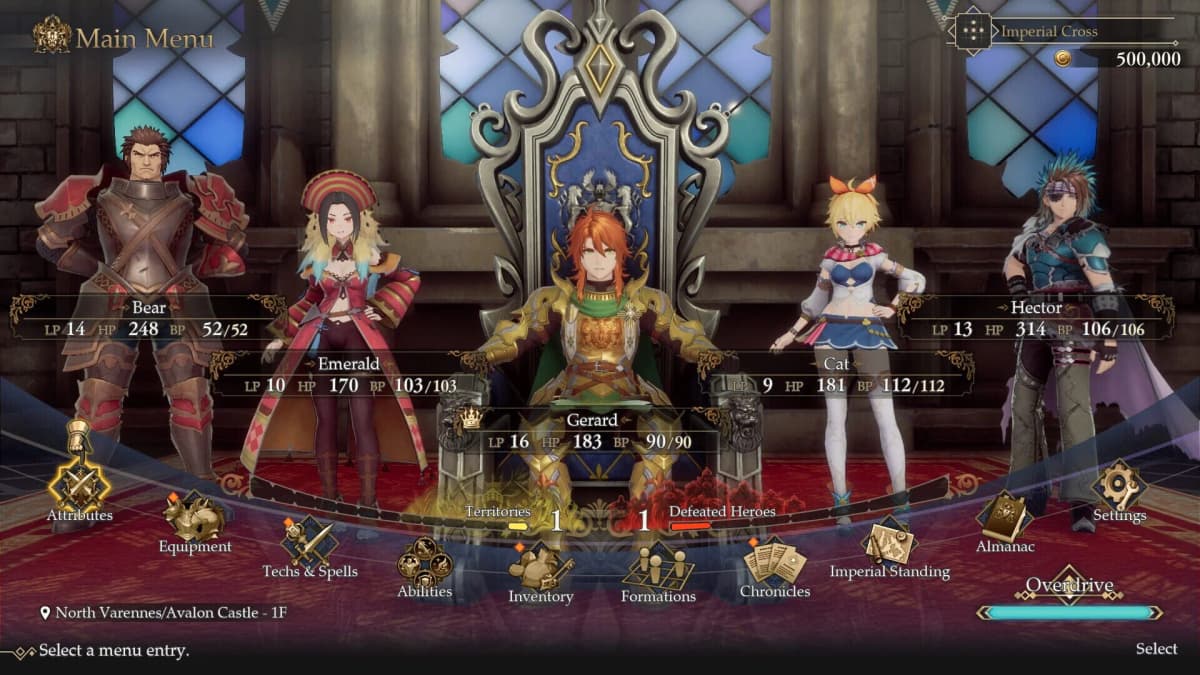
Originally released in 1993, Romancing SaGa 2 has always been an empire-builder’s dream. This new Switch 2 Edition reimagines the classic in full 3D, complete with near-instant load times and silky 60 FPS performance that makes conquering turn-based battles feel faster and more fluid. Players can now toggle between the original chiptune soundtrack and a fully remixed orchestral score, giving longtime fans a delicious hit of nostalgia and newcomers a chance to appreciate the series’ melodic strengths.
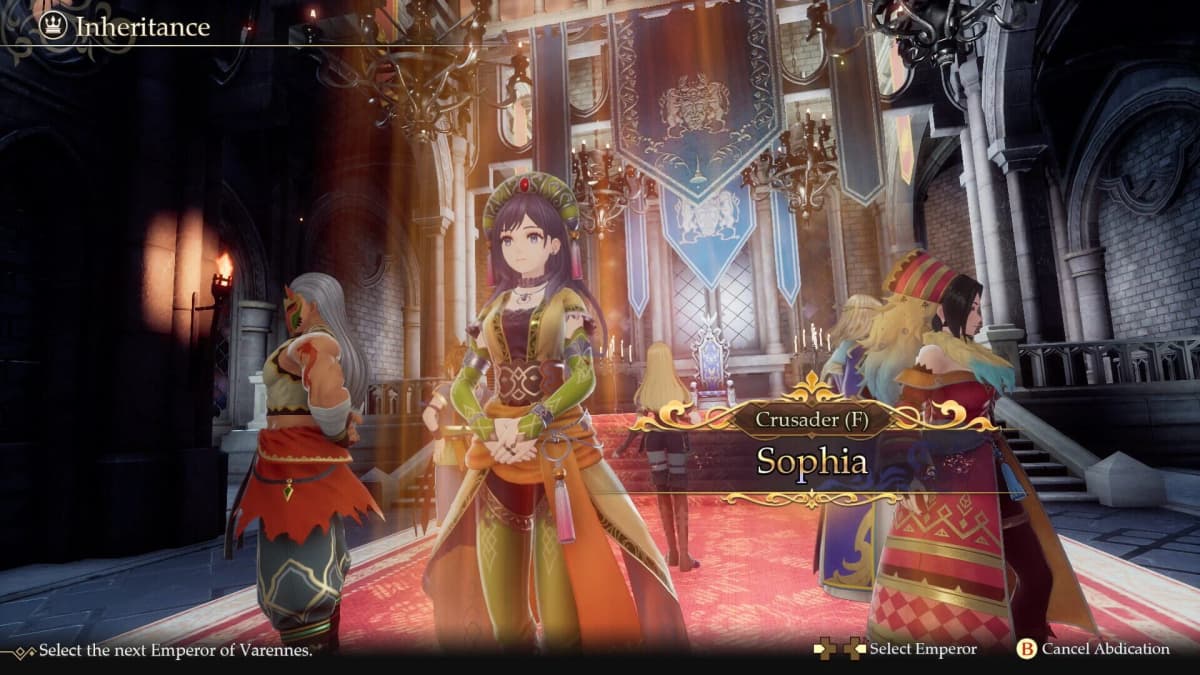
Visually, redesigned 3D landscapes bring branching quests to life without the waits that weighed down the original Switch port. Empire progression unfolds over multiple generations, and the seven selectable difficulty levels let you ramp up— or dial back— the challenge to fit your play style. A free demo available at launch offers a taste of the early chapters, ensuring that skeptical penny-pinchers can try before they buy.
Of course, not everything is perfect. Early impressions note that bouncing between retro and modern visuals too quickly can feel jarring, momentarily denting immersion if you flick the visual slider back and forth. Still, this is about as close as we’ve come to a definitive version of a truly deep JRPG, and the free upgrade pack for existing Switch owners is a particularly player-friendly touch.
Final Fantasy Tactics – The Ivalice Chronicles
Arguably one of the most beloved tactical RPGs ever made, Final Fantasy Tactics returns as The Ivalice Chronicles with expanded narrative threads and a modernized interface. The original’s complex political intrigue gets fleshed out through new side campaigns that spotlight characters who were previously relegated to footnotes—meaning die-hard fans get fresh perspectives on Ivalice’s power struggles.
Under the hood, the UI overhaul is genuinely thoughtful: menus load instantly, tooltips are clearer, and battle planning feels more streamlined without stripping away the genre’s tactical depth. A sharper localization corrects past script oddities, making the dialogue snappier and lore easier to follow. Meanwhile, subtle job tweaks prevent early-game strategies from becoming stale, offering broader build variety without overhauling the core job system fans know and love.
That said, veterans will want to keep an eye on how chaining abilities and status effects stack up in late-game skirmishes—early hands-on sessions hint that a few jobs might need further balancing. And while cinematic cutscenes have been polished for next-gen hardware, purists still debate whether the new animations capture the same magic as the original sprite art. It’s a small nitpick in what otherwise looks to be a meticulous revamp.
Dragon Quest I & II HD-2D Remake
Square Enix tapped Team Asano—renowned for their successful HD-2D remasters—to fuse Dragon Quest’s classic 8-bit sprites with modern lighting and physics. The result is a living diorama of nostalgia: dungeons glow with dynamic torchlight, overworld weather cycles shift from sun to rain in real time, and character sprites boast subtle animations that breathe life into every screen.
Dungeon design has been tightened up, too, with more thoughtful layouts and environmental storytelling woven into each corridor. Quality-of-life improvements such as accelerated world traversal and streamlined menu navigation cut down on unnecessary grind—while preserving the methodical pace that made the originals so rewarding. And though details on new sidequests and bonus chapters remain under wraps, the demo reels tease additional content that promises to expand on the lore of both Erdrick and the Prince of Tantegel.
Until an official confirmation arrives, treat talk of bonus chapters as hopeful rumor. But if the demo is any indication, this HD-2D duo could set a new standard for how to honor classic JRPG design while embracing next-gen polish.
Nostalgia Done Right (No Hidden Fees)
It’s tempting to dismiss these as mere reskins or cash grabs, but Square Enix appears committed to genuine system overhauls. Lightning-fast load times, revamped UI, and bonus narrative threads come baked in—no surprise DLC fees in sight. Still, the specter of half-baked remasters looms large, and only hands-on time will reveal whether these titles truly dodge the pitfalls of patch-day patches and performance hiccups.
Want to Level Up Your Gaming?
Get access to exclusive strategies, hidden tips, and pro-level insights that we don't share publicly.
Ultimate Gaming Strategy Guide + Weekly Pro Tips
Why JRPG Fans Should Care
This trio of remakes isn’t just a trip down nostalgia lane; they’re built to welcome both series veterans and genre newcomers. Adaptive difficulty options cater to your chosen level of challenge, polished translations deepen your immersion in the lore, and intuitive UI improvements smooth out longtime headaches. If Square Enix nails the balance between classic grit and next-gen flair, these remakes could redefine what we expect from top-tier JRPG revivals.
Final Thoughts
Circle your calendars, fire up those preloads, and dive into demos when they drop. The Switch 2 era looks primed for a JRPG renaissance, and these remakes might just be the benchmarks by which future revivals are measured. Stay tuned for hands-on previews, deep-dive analysis, and community impressions—because this nostalgic journey could reshape a whole genre.