
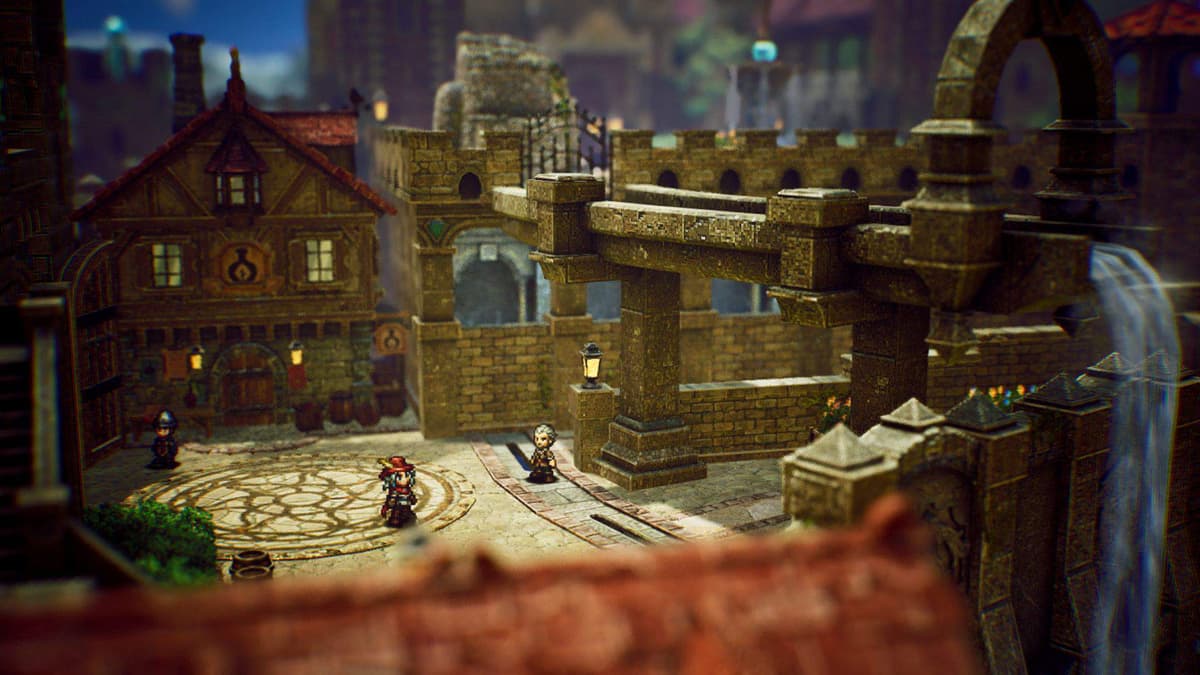
This caught my attention because Square Enix finally asked the right question: what if HD-2D wasn’t just for turn-based throwbacks? The Adventures of Elliot: The Millennium Tale is the studio’s first real swing at a Zelda-style action RPG in that Octopath-esque look, and after spending time with the surprise Nintendo eShop demo, I’m convinced this could be a 2026 headliner-if they polish the right things.
Square Enix saved this as a closer in the latest Nintendo Direct, and it landed because it wasn’t just another HD‑2D remaster. The Adventures of Elliot is a new IP built around action-dodge rolls, shield parries, weapon swapping, jumpy traversal—the stuff you don’t typically associate with the Octopath/Triangle Strategy family. It’s developed by ClayTech Works (Bravely Default II), which makes sense: that team knows how to build crunchy systems and old-school vibes, even if BDII’s visuals and performance split opinion.
The 2026 window feels deliberate. Square’s HD‑2D slate is busy—Octopath Traveler 0 is already dated for late 2025—so Elliot likely benefits from the extra runway. Platform-wise, it’s coming to Switch 2, PS5, Xbox Series, and PC, which is the right call; if you’re going to sell nostalgia, you need reach. But make no mistake: this is positioned to be one of the early “show me” titles for Switch 2’s library.
The demo wastes no time proving the pitch. Combat is real-time and readable: light/heavy strings, a shield that matters (perfect blocks save your skin), and movement that actually respects hitboxes. Swapping between weapon types shifts your rhythm in noticeable ways rather than just padding a stat screen. There’s a clear Secret of Mana ancestry in the cadence, but the dungeon layouts and room-by-room problem solving scream classic 2D Zelda.
Exploration is the star. The demo keeps nudging you off the critical path with side rooms, hidden chests, and optional combat challenges that grant permanent upgrades. It’s not “open world,” it’s “curious player world,” which is exactly the lane HD‑2D excels in. The map is a low-key MVP: it marks your traveled path with dotted lines, sprinkles in indicators that reduce backtracking headaches, and makes it easy to read a space at a glance. That’s the kind of friction-reduction modern players expect without flattening the adventure.
Two systems stand out. First, a no-hit loot multiplier that rewards clean play with juicier drops. It feels good, and it adds a risk/reward layer to rooms you’ve mastered. Second, the magiliths: socketable passives created from stones you gather, with effects tied to specific gear and rolled semi-randomly. On paper it’s buildcraft candy—stack movement perks for traversal tricks, spec into DPS for boss melts, or chase defensive sustain. In practice, it gives each run through a dungeon a different texture, especially when you revisit a vendor to expand your pool and target certain synergies.
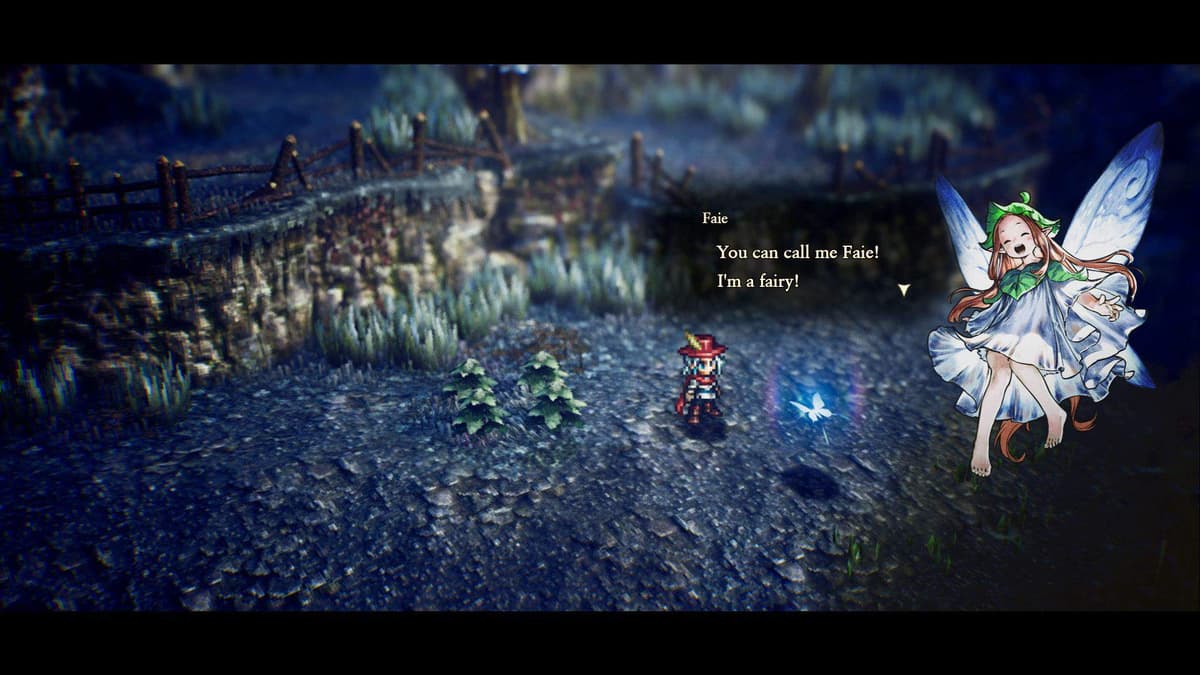
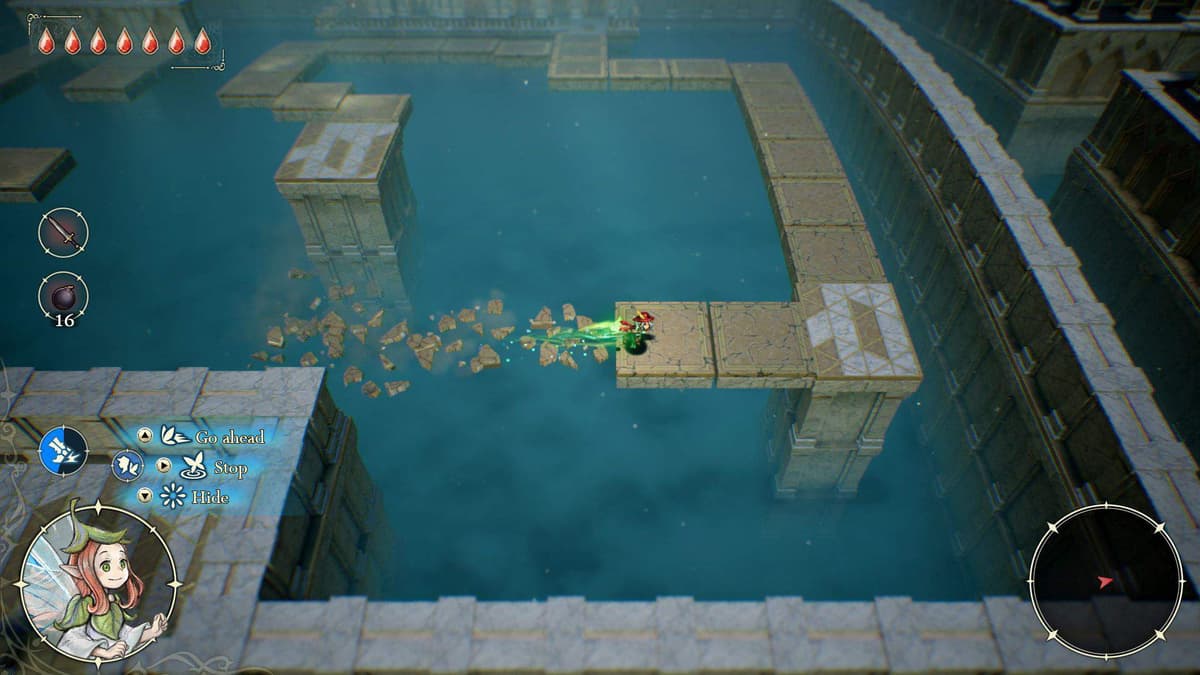
There’s even a mobility wrinkle via Faie, a companion whose abilities let you zip around and short-warp in clever ways. It’s a nice counterpoint to the grid-like precision of puzzle rooms; you’re not just pushing blocks, you’re thinking about space and momentum. All told, the demo clocks in around 90 minutes (two hours if you comb every corner) and feels like a proper vertical slice, not a marketing teaser.
The big miss in the demo is the lack of a target lock-on. In crowded rooms, especially with mixed enemy speeds, camera-relative swings can get mushy. Lock-on isn’t always the right answer for top-down action, but even a soft focus or strafe option would tighten encounter control. I’m hoping this is on their feedback list.
The magilith RNG is spicy, but balance will make or break it. If the best passives hide behind low odds, you risk turning exploration into farming, which undercuts the adventure vibe. The no-hit loot bonus also needs a gentle curve; rewarding mastery is great, but don’t make perfection the only path to fun drops. And while the demo ran fine, 60 fps should be the target on all platforms—HD‑2D looks gorgeous when fluid, and a choppy action game loses the plot fast.
Two open questions I want answered before launch: will demo progress carry over, and how deep do the dungeons go later on? If you’re going to invoke Zelda, puzzle variety and memorable set-piece items matter as much as combat. Give me a late-game dungeon that recontextualizes those Faie mobility tricks and I’m all in.
Square Enix has been dining out on HD‑2D nostalgia—Octopath, Live A Live, the Dragon Quest remakes—but it’s mostly lived in turn-based comfort food. Elliot pushes that aesthetic into action, and that’s a bigger shift than it looks. If ClayTech Works nails the feel, we’re not just getting another pretty throwback; we’re getting proof that HD‑2D can host modern action design without collapsing into jank.
As someone who grew up on Oracle of Seasons/Ages and still replays Minish Cap, this is the Square “what if” I’ve wanted for years. The demo shows a team that respects the blueprint but isn’t afraid to add systems depth. Keep the lock-on conversation open, tune the magilith economy, and ship with confident, puzzle-forward dungeons—and The Adventures of Elliot could end up defining early Switch 2 libraries while standing tall on every other platform too.
The Adventures of Elliot is Square Enix’s HD‑2D answer to classic 2D Zelda, and the eShop demo delivers: smart exploration, real-time combat, and buildcraft via magiliths. It needs a lock-on solution and careful balance, but if ClayTech Works sticks the landing, this is a legit 2026 frontrunner.
Get access to exclusive strategies, hidden tips, and pro-level insights that we don't share publicly.
Ultimate Gaming Strategy Guide + Weekly Pro Tips