
Square Enix thinks preserving a video game means turning it into a Twitch stream. In its latest shareholder response, the company had the audacity to frame “official live streams” and cinematic video archives as legitimate pathways for fans to enjoy titles after the servers go dark. Let me be blunt: a broadcast is not a backup, and a cutscene compilation is not a game.
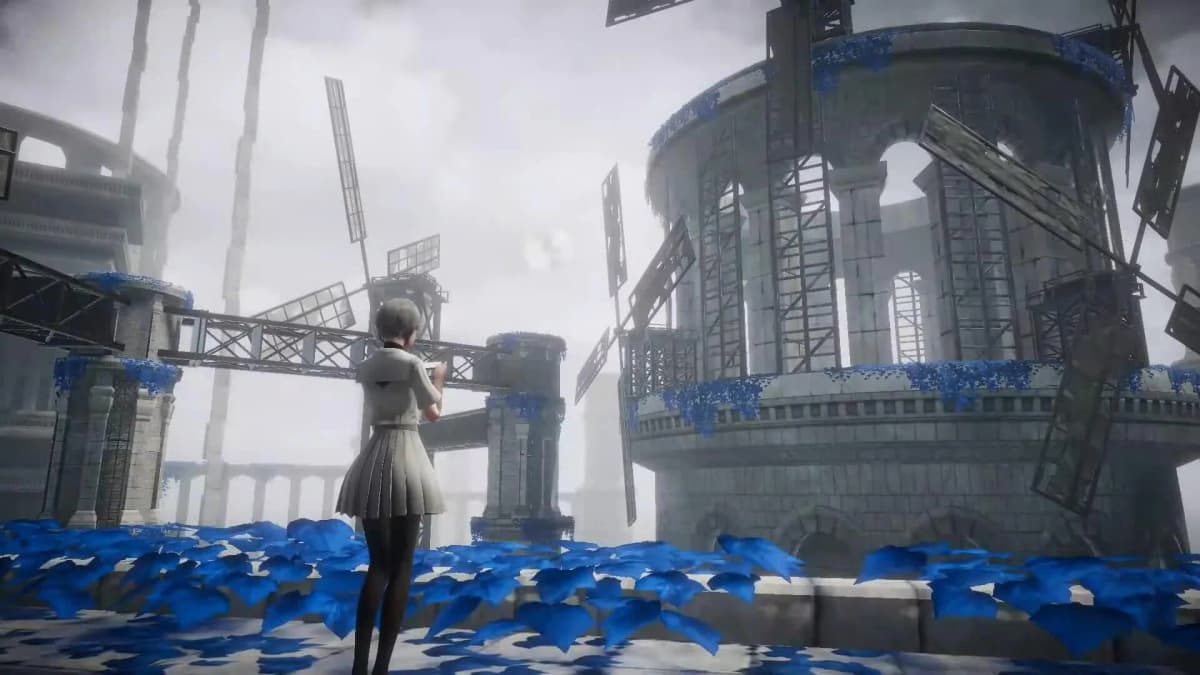
This hollow corporate theater was triggered by the exact kind of passion Square Enix claims to respect. When NieR Re[in]carnation: The Sun and the Moon hit its end-of-service date, fans didn’t sit around begging for a highlight reel. They built an unauthorized offline version of the game themselves-a functional workaround that kept the story and mechanics alive without the original server infrastructure. It was exactly the kind of preservation players actually want: playable, offline, permanent.
Square Enix responded by flagging the project as an intellectual property violation. So to recap: fans preserved the interactivity of the game, and Square Enix defended its brand by ensuring it stayed dead. Now, facing shareholders, the company wants applause for promising streams and archived video.
Table of Contents (4)
Livestreams Are Not a Preservation Plan
The shareholder document reads like a legal hedge dressed up as goodwill. Square Enix stated its approach “varies by game,” which is corporate speak for doing the bare minimum and calling it bespoke. For NieR, players get official live streams. For other titles, cinematic content hosted on video platforms. And the kicker? The company explicitly said it does not promise to keep all games playable forever.
That last part is doing more honest work than the rest of the statement combined. It is an admission that Square Enix views live-service games as disposable products with expiration dates, not cultural artifacts worth maintaining. When a publisher tells you upfront that playability has a cutoff, it is not preserving anything-it is managing decline.
![Screenshot from NieR Re[in]carnation: The Sun and the Moon](/_next/image?url=https%3A%2F%2Fbackend.finalboss.io%2Fwp-content%2Fuploads%2F2026%2F02%2Ftmpow6wwxc9_NieR_scnpc1.webp&w=1200&q=75)
When “Access” Means Watching, Not Playing
Here is the fundamental lie at the center of this strategy. Games are not movies. Interactivity is the entire point. The combat rhythm of a NieR title, the grind loop, the mechanical intimacy of controlling a character through Yoko Taro’s bleak worlds-that cannot be archived on a YouTube playlist. Offering video streams as a substitute for executable code is like handing someone a recording of a concert and claiming they still own the venue.
The fans who built that unauthorized offline build understood what Square Enix refuses to admit: preservation means binaries, not broadcasts. It means local files that run without phoning home to a server farm that will eventually get repurposed for the next quarterly earnings report. If a team of motivated players can engineer offline functionality in their spare time, a multi-billion dollar publisher has no excuse beyond not wanting to.
The Cost Excuse Doesn’t Hold Up
Yes, maintaining live-service infrastructure costs money. But we are not talking about keeping multiplayer servers humming for a decade. We are talking about offline modes, client-side builds, or at minimum, final-patch binaries that can run without an authentication handshake. Square Enix is not promising any of that. It is promising content marketing—streams and videos that serve the brand more than they serve the player.
Notice the complete absence of transparency. The shareholder response offered no timelines for delisting, no clarity on which games get which tier of abandonment, and no guarantees about how long those “preserved” videos will even stay online. A video archive is only as permanent as the hosting contract.
![Screenshot from NieR Re[in]carnation: The Sun and the Moon](/_next/image?url=https%3A%2F%2Fbackend.finalboss.io%2Fwp-content%2Fuploads%2F2026%2F02%2Ftmpkcygymr5_NieR_scnpbz.webp&w=1200&q=75)
This Is How Games Become Lost Media
We are watching the normalization of a terrifying precedent. Publishers want us to accept that live-service titles are temporary experiences, like a pop-up restaurant or a seasonal latte. Pay full price, pour hundreds of hours in, and when the lights go out, be grateful for a retrospective livestream hosted by community managers reading a script. This is a rental economy wearing preservation’s clothes.
Square Enix wants shareholders to know it has a “game-by-game approach,” as if that demonstrates flexibility rather than inconsistency. What it actually means is that preservation is a privilege, not a standard. If your favorite title doesn’t rate a livestream budget, congratulations—you get a delisted app and a shrug.
The NieR Re[in]carnation fans didn’t need a video archive. They needed the game to remain playable. Square Enix’s response proves the company sees preservation as a liability to manage, not a responsibility to uphold. When publishers start replacing executables with streams, they aren’t saving gaming history. They’re charging us admission to our own memories, one view at a time.
FinalBoss // Gear
Level up your setup
01Top-rated gaming headsetson Amazon→02High-refresh gaming monitorson Amazon→03Gaming chairson Amazon→04Discounted game keyson Kinguin→Affiliate links · As an Amazon Associate, FinalBoss earns from qualifying purchases.
Want to Level Up Your Gaming?
Get access to exclusive strategies, hidden tips, and pro-level insights that we don't share publicly.
Ultimate Gaming Strategy Guide + Weekly Pro Tips