
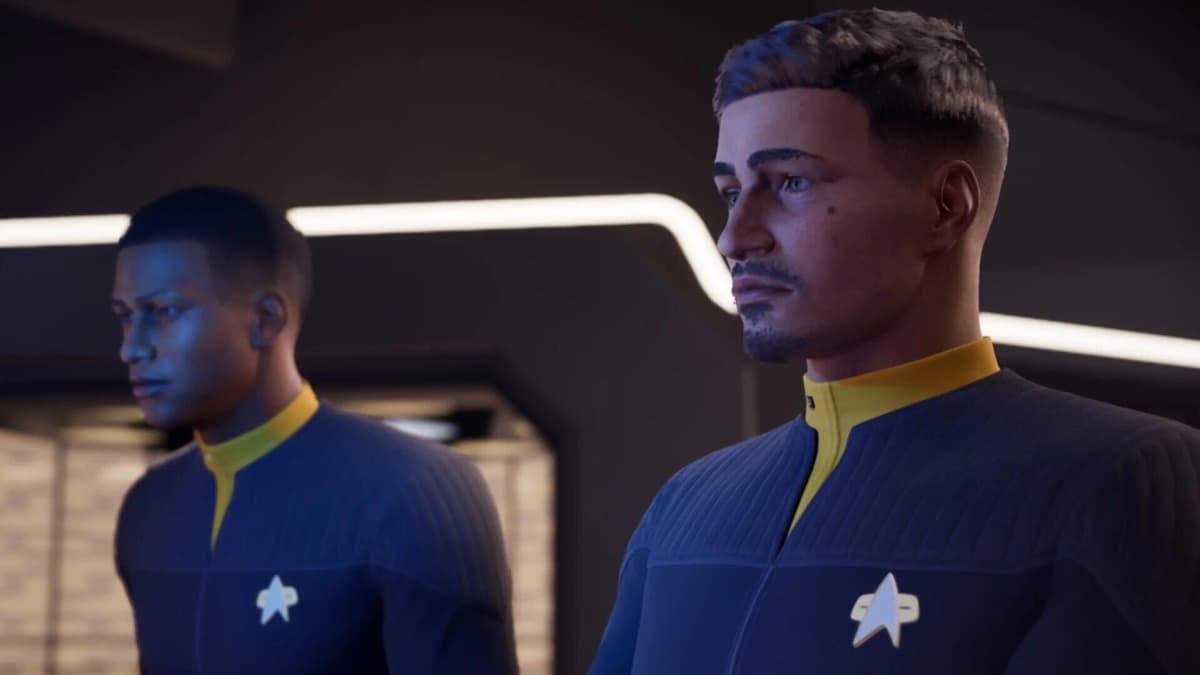
Star Trek: Resurgence is being pulled from sale because the license behind it expired. That is the headline. The more useful point is that this is another reminder that even a modest, well-liked licensed game can vanish from digital storefronts on a timetable that has nothing to do with quality, demand, or preservation. It exists until the paperwork stops existing.
Dramatic Labs’ narrative adventure, first released in 2023 and later expanded to more storefronts, is being delisted after what store messaging described as an expired distribution license. Existing owners are expected to retain access to their purchase, but new buyers are losing the option to pick it up once the remaining listings disappear. The exact timing has been part of the problem: announcements indicated the game would no longer be offered for sale, but a firm universal cutoff date was not consistently communicated across platforms.
Table of Contents (5)
This is not a failure story, and that matters
Most delisting coverage gets flattened into the same vague obituary. Game removed. Sad for fans. Buy it while you can. That misses the distinction that matters here. Star Trek: Resurgence is not being removed because its servers are being shut down, because the developer folded the week after launch, or because the game was such a disaster that nobody wanted it around. This is a rights issue.
That sounds boring until you look at what it implies. Resurgence was built by Dramatic Labs, a studio founded by former Telltale developers, and the game was sold exactly on that pitch: a choice-driven Star Trek story with branching dialogue, character relationships, and enough political friction to feel like a proper franchise side story rather than a cheap logo deployment. If a game like that cannot simply remain on sale as catalog inventory a few years later, the constraint is not artistic. It is contractual.
That distinction matters for players because it changes the lesson. The lesson is not “avoid niche licensed games.” It is “licensed digital games are temporary retail objects unless somebody pays to keep them alive.” The industry has trained players to treat storefront listings as permanent shelves. They are not. They are leased shelf space attached to legal agreements most buyers will never see.
The quiet problem is how vague delisting notices still are
The uncomfortable observation here is that delisting communication remains sloppy in exactly the ways that hurt consumers most. Reports around Resurgence agreed on the core fact that the license expired and the game would be removed from sale. They were less consistent on when each platform would lose it, and some storefronts reportedly disappeared faster than others. Xbox versions appeared to be removed early in some reports, while other versions lingered. The Switch listing also created some uncertainty because not every public statement addressed every platform with the same clarity.
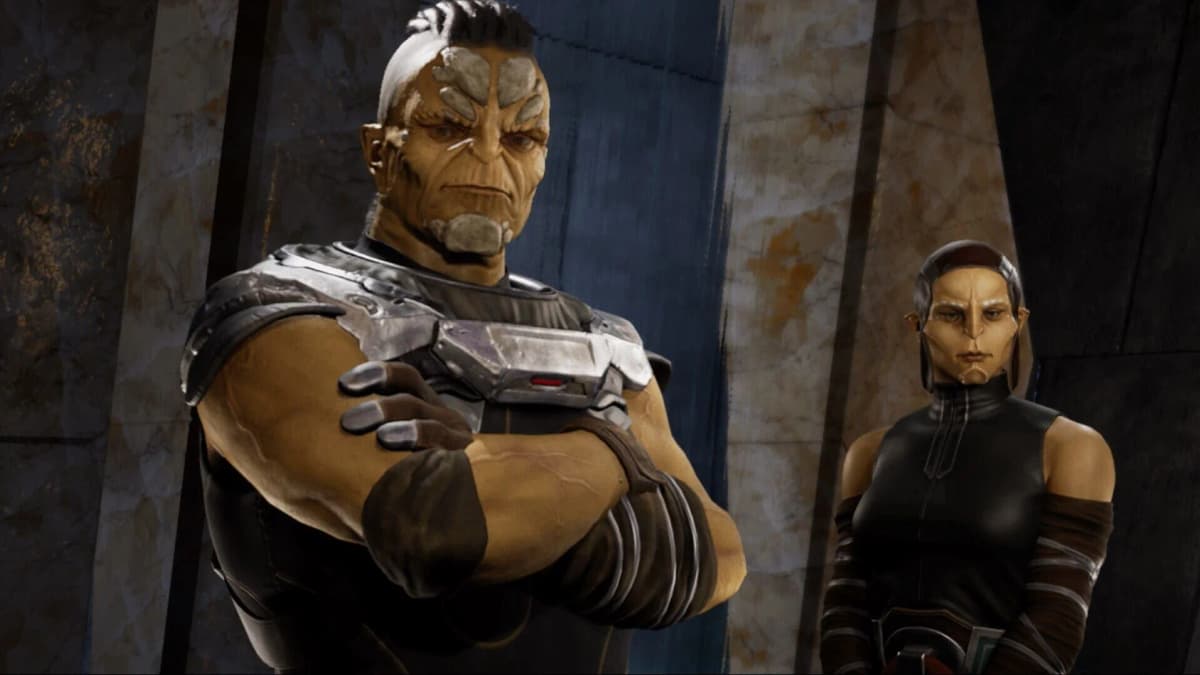
This is the question a PR rep would rather glide past: if you know a licensed game is leaving sale, why is there not one clean, public, platform-by-platform timetable? “Existing owners keep access” is useful, but it is not enough. Players need to know which versions are still purchasable, for how long, and whether DLC, patches, and re-download rights are guaranteed in practice or merely assumed because that is usually how storefronts work.
Steam messaging said existing owners would retain access. That is the standard reassurance, and in many cases it holds up. But gamers have been around long enough to know that “retain access” can cover a lot of edge cases. Can you reinstall without issue years later? Does the game keep getting compatibility updates if a storefront backend changes? Are regional listings affected identically? None of that is especially glamorous, which is exactly why it tends to be underexplained.
Star Trek keeps running into the same licensing wall
There is a broader pattern here, and it is older than Resurgence. Licensed games disappear all the time once music rights, brand agreements, character licenses, or publishing arrangements hit their endpoint. Racing games lose cars and songs. Superhero games vanish when contracts lapse. TV and film tie-ins often become especially brittle because several parties may have a stake in the rights chain. Star Trek is hardly unique, but it is a good example of how even a major franchise can produce games with a surprisingly short retail lifespan.
What makes Resurgence slightly more frustrating is that it occupies a category that usually benefits from a long tail. Narrative adventures do not depend on a competitive player base. They are not seasonal products. A good one can sit quietly on a storefront for years, catching players who discover it late, especially once sales hit the impulse-buy range. According to prior coverage, Resurgence had stayed at full price for long stretches. That meant it never quite got the extended bargain-bin second life a lot of catalog titles use to keep earning after the main launch window.
So the timing lands awkwardly. This is a story-driven game that was well positioned to age into cult-status recommendation territory, and instead it is being converted into a finite digital artifact. If you bought it, fine. If you meant to get around to it later, licensing has made that decision for you.
What this says about digital ownership is the real story
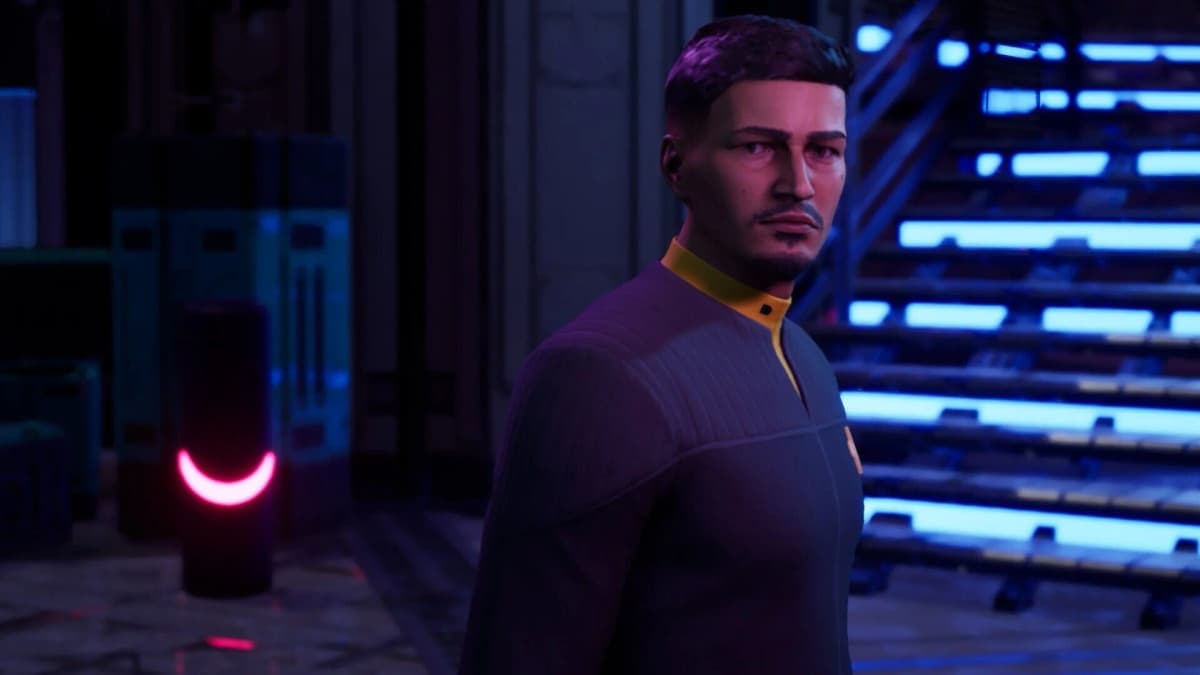
The industry likes the word “access” because it is softer than “ownership.” Cases like this are why players should pay attention to the difference. Resurgence being delisted does not mean it ceases to exist for current buyers. It does mean the market for new buyers can be turned off with very little ceremony. That should bother anyone who cares about game preservation, but it should also bother anyone who thinks storefronts are functioning as stable archives of the medium. They are not archives. They are active retail channels governed by contracts.
There is also a business angle worth noting. Delistings like this hurt smaller and mid-sized teams more than giant publishers. A blockbuster brand holder can renegotiate, relist, remaster, or absorb dead catalog gaps. A smaller studio that made a competent licensed game may not get a second shot. The game slips out of sale, critical conversation fades, and whatever audience it might have gained over time gets cut off. Resurgence was never going to be a forever product, but the delisting guarantees its ceiling is now lower.
None of this turns the game into some lost masterpiece. It does make it a clean example of how digital distribution still serves rightsholders first, preservation second, and customers somewhere after that.
What to watch next
- Whether a final, explicit platform list is published confirming where the game has already been removed and where it remains available.
- Whether the rights situation leads to a later relisting under a renewed agreement. That is possible, but there has been no clear public signal that it is happening.
- Whether current owners continue to receive straightforward re-download access across all storefronts. That is the practical test, not the comforting boilerplate.
- Whether this pushes more conversation around preservation options for licensed digital games, which remain some of the first titles to disappear and some of the hardest to restore cleanly.
For now, the useful takeaway is simple. Star Trek: Resurgence is being delisted because a license expired, not because the game reached some natural endpoint. In digital games, that distinction is not academic. It is the difference between a title aging normally and a title being removed by administrative decision.
FinalBoss // Gear
Level up your setup
01Top-rated gaming headsetson Amazon→02High-refresh gaming monitorson Amazon→03Gaming chairson Amazon→04Discounted game keyson Kinguin→
Affiliate links · As an Amazon Associate, FinalBoss earns from qualifying purchases.
Want to Level Up Your Gaming?
Get access to exclusive strategies, hidden tips, and pro-level insights that we don't share publicly.
Ultimate Gaming Strategy Guide + Weekly Pro Tips