
May 19, 2007 gave Blizzard one of its most effective confidence plays: StarCraft II was announced at the Blizzard Worldwide Invitational in Seoul, South Korea, then placed directly in front of fans through playable demos at BlizzCon 2007 and E3 2007. The full release did not arrive until July 27, 2010. That is roughly 38 months between the promise and the product.
I can admire that kind of patience when the game earns it. StarCraft II: Wings of Liberty did earn much of it. Blizzard showed a real-time strategy game, or RTS, that players could actually inspect: not a mood reel, not a logo, not a studio promise floating in empty space. Fans could study the units, argue about readability, nitpick interface decisions, and start imagining the competitive scene long before launch. The problem is that Blizzard turned this old strength into a permanent corporate habit. The company learned that a big announcement can generate years of attention, and it keeps treating that attention like an unlimited line of credit.
It is not unlimited anymore. Blizzard’s legacy still carries enormous weight across Warcraft, Diablo, StarCraft, and World of Warcraft, but that legacy now shares the stage with harder questions. Ahead of BlizzCon in California, Blizzard is judged not only by memories of classic releases, but by how it handles long waits, early commitments, and a public image that has taken strain after past controversies. Add a modern portfolio that leans heavily on ongoing games, and every new reveal starts feeling less like a simple celebration and more like a trust exercise.
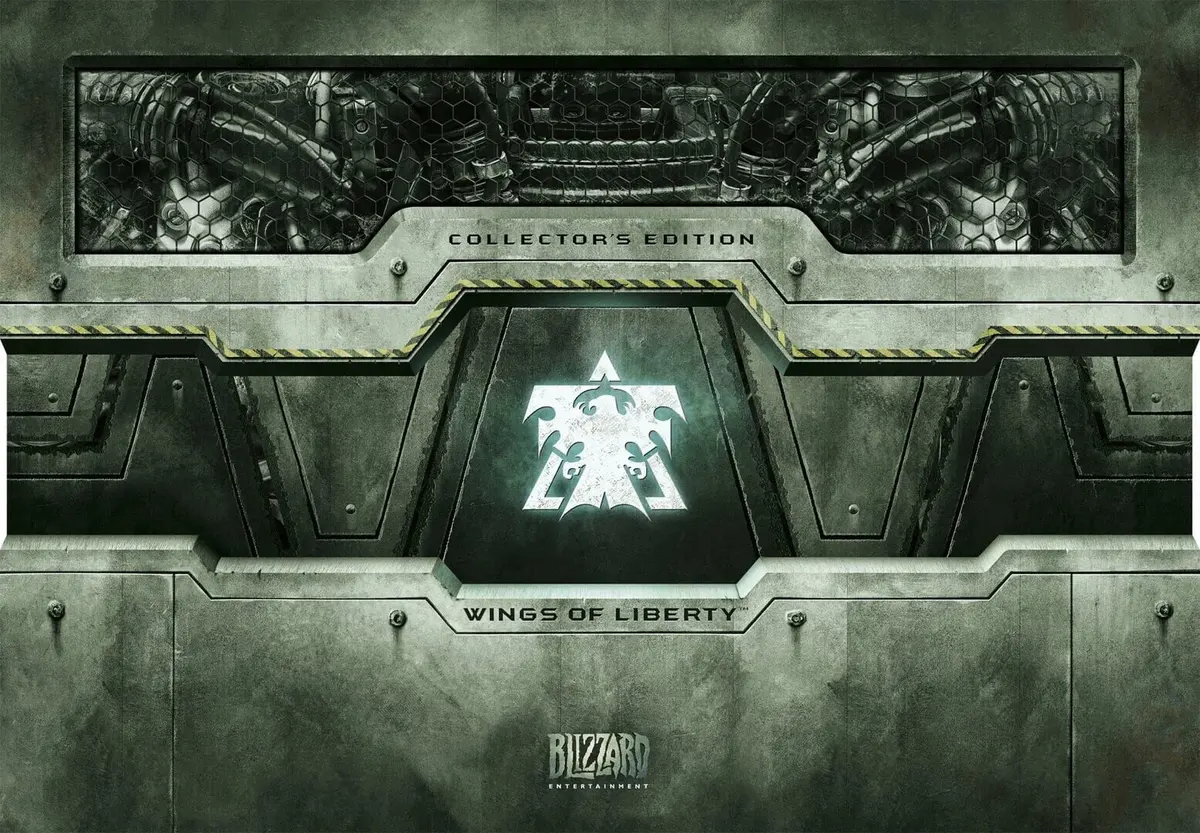
StarCraft II: Wings of Liberty — Collector’s Edition captures both sides of that history perfectly. It was a premium package built around a game Blizzard had been asking fans to believe in for more than three years. In 2010, that faith felt exciting. In the current Blizzard climate, the same tactic feels like a test the studio has not yet earned the right to administer so casually.
Table of Contents (5)
The 38-Month Promise Was Built in Public
Blizzard did not reveal StarCraft II with a logo and then vanish into a cave. That distinction matters. Its playable 2007 demos gave people something concrete to examine: unit movement, battlefield readability, visual direction, interface decisions, and the shape of the competitive game Blizzard intended to build. The studio made the wait feel active because fans had evidence that development was moving somewhere real.
That old Blizzard formula had a simple bargain behind it. The company asked players for patience, then repeatedly offered proof of craft. Every demo, trailer, convention appearance, and multiplayer conversation strengthened the bond between the studio and its audience. By the time Wings of Liberty launched for Windows XP, Windows Vista, Windows 7, and Macintosh on July 27, 2010, the game had spent years becoming part of the community’s imagination.
There is real power in that approach. A long runway can create a healthier relationship between a game and its audience when the developer is transparent about what it is making. Players get time to understand the game rather than absorb a marketing blitz two weeks before release. Competitive communities get time to debate systems. Fans get the rare pleasure of watching a major release take shape instead of being handed an opaque trailer and told to clap.
But every month between reveal and release also raises the emotional price of disappointment. A project shown years early stops being an announcement and becomes a promise people carry around. They speculate about it, defend it, build wish lists around it, and sometimes spend years waiting for a franchise to return in the form they want. Blizzard’s long-lead strategy turns enthusiasm into a debt. Delivery is how that debt gets repaid.
That is why StarCraft II still matters as the cleanest example of Blizzard’s method. The timeline was long, but it was legible. The studio revealed the game in 2007, let people touch it that same year, and eventually shipped in 2010. If you want to defend early announcements as a sign of confidence, this is the version of the argument you put on the table. It was slow, but it was not abstract.
The $99.99 Collector’s Edition Made Blizzard’s Bet Visible
The Wings of Liberty Collector’s Edition was Blizzard’s confidence marketing in physical form. The standard PC and Macintosh edition cost $59.99. The Collector’s Edition cost $99.99, a $40 jump of roughly two-thirds over the standard price, and it was available only through retail stores. Blizzard announced the release date and Collector’s Edition details on May 4, 2010, following an earlier April pricing reveal. So after nearly three years of public anticipation, Blizzard was not merely asking fans to keep waiting. It was asking them to decide how much of that faith they wanted to buy in advance.
For that extra $40, buyers received far more than a fancier box. Blizzard packed the edition with the kind of franchise archaeology that knows exactly how to hit longtime fans in the chest.
- A 176-page StarCraft II art book.
- A 2GB USB flash drive modeled after Jim Raynor’s dog tag.
- The original StarCraft and StarCraft: Brood War preloaded on that USB drive.
- A soundtrack CD containing 14 tracks plus bonus tracks.
- A behind-the-scenes DVD with more than an hour of developer interviews and director’s commentary.
- StarCraft comic issue #0.
- A World of Warcraft mini Thor in-game pet.
- Exclusive Battle.net content, including portraits, unit decals, and a unique Thor multiplayer model.
That list is not trivia. It is the point. Blizzard was selling a sequel, yes, but it was also selling a curated memory of Blizzard fandom itself. The 176-page art book and soundtrack framed the game as an event worth archiving. The dog-tag USB did even more than that: it literally carried the series’ past inside the package by including the original StarCraft and Brood War. The Collector’s Edition turned legacy into an object you could hold, shelve, and show off.
That dog-tag USB remains the clearest expression of what Blizzard understood at its best. It was a collectible, yes, but it also contained the franchise’s history. The company was selling a sequel while physically putting the original game and Brood War into fans’ hands. That is how you use legacy well: by treating it as history worth preserving rather than a logo to flash during an event trailer.
The World of Warcraft pet and Battle.net extras revealed the less romantic side of the package. Blizzard wanted a StarCraft II purchase to feel like membership in a larger Blizzard universe. The Collector’s Edition linked the studio’s biggest brands together and rewarded fans for living inside that ecosystem. It was clever. It was also a clear declaration that Blizzard’s greatest asset was not any single game. Its greatest asset was player loyalty to the Blizzard name itself.
This is where the package directly supports the larger argument about hype. A premium edition like this does not simply celebrate a finished game. It also monetizes confidence before launch. Blizzard used retail-only scarcity, physical collectibles, nostalgia for the original StarCraft, and cross-franchise bonuses to make the wait feel premium rather than inconvenient. The studio was effectively saying: we have held your attention for years, and now we can convert that attention into a $99.99 loyalty object before release day has even arrived.
Back then, I think Blizzard had enough goodwill to make that offer feel celebratory rather than extractive. The physical material was tangible. The game had been publicly demonstrated. The premium price bought a real pile of carefully made items, including access to the series’ foundational releases. Blizzard was asking for trust, but it was also putting something substantial on the table.
Blizzard’s Public Image Makes Every Early Reveal Heavier
The old formula lands differently now because Blizzard has changed, and because players have changed with it. A studio riding strong goodwill can announce a game early and receive patience in return. Blizzard walks onstage with more friction attached to its name. Ahead of this year’s BlizzCon in California, it is impossible to separate any new reveal from the larger debate around the company’s public image, its appetite for long lead times, and its preference for keeping players engaged across ongoing ecosystems.
Even StarCraft II, a game that ultimately justified a lot of anticipation, was not free of strain. Multiplayer ran through Battle.net rather than offering LAN support, which drew criticism from players who wanted local network play. In Korea, Blizzard also had a dispute with the Korea e-Sports Association, or KeSPA, over broadcasting rights. Those are not side notes if you are talking about trust. They are reminders that even a beloved sequel can arrive with arguments attached to it, and that Blizzard’s relationship with its audience has long involved negotiation as much as celebration.
That means a new Blizzard reveal no longer functions as a clean burst of excitement. It immediately becomes an audit. Players ask how far along the game is, whether the shown material reflects the final project, how long the wait will last, and whether the studio can support what it announces without losing sight of the audience that made its older franchises matter in the first place.
Blizzard president Johanna Faries has defended early announcements as a way to signal confidence in major projects and communicate the company’s intention to ship big games on time. I understand the instinct. A publisher that stays silent forever gets accused of having no future. A studio built on beloved worlds cannot pretend people will not care what comes next. But there is a difference between signaling confidence and cashing in borrowed confidence. StarCraft II shows the best version of the first idea. A weaker modern reveal risks sliding into the second.
Confidence, that said, has to be visible in the work. It cannot live solely in the tone of an announcement. Blizzard used to make confidence feel credible through playable demos, clear game identities, and releases that stood on their own. A vague tease for something years away may still dominate a convention weekend, but it cannot replace the reassurance that comes from sustained footage, a defined scope, and a believable path to launch.
The stakes rise when the calendar itself starts sounding like a franchise museum map. Diablo 3 and Diablo 4 were separated by 11 years. Diablo 5 is already framed for 2029, and a StarCraft return is slated for 2030. Those dates may project ambition. They also ask fans to store excitement in long-term storage. When Blizzard announces early, it is no longer only creating buzz. It is asking people to manage their emotional expectations over spans long enough to change what that announcement even means.
The stakes are especially high as Blizzard prepares to announce its first new game in 17 years outside Warcraft, StarCraft, and Diablo. That is a genuinely bold move. It also puts the studio in a position where it cannot rely entirely on inherited affection. A new universe has no childhood memories to borrow. It has to earn attention through a sharp idea, visible progress, and the discipline to avoid turning “we are working on something” into a multiyear substitute for having made something.
Legacy Shocks Cannot Carry a Calendar
BlizzCon thrives on legacy shocks: a franchise return, a surprise expansion, a famous name appearing after years of silence. Blizzard knows how to stage those moments better than almost anyone. The company built its reputation on making its worlds feel larger than individual releases. A reveal connected to StarCraft, Diablo, Warcraft, or World of Warcraft can still light up a room because those series carry decades of player attachment.
That emotional reaction is real, but it is also fleeting. A surprise can buy applause for a night. It cannot buy endless patience for a production timeline. Every large announcement needs a follow-through plan: when players will see more, what stage the project has reached, and what material proves the game is more than a strategic intention. Silence after a legacy shock turns excitement into suspicion with remarkable speed, especially when the company itself has told audiences that announcing early is part of its identity.
StarCraft II succeeded because its reveal was followed by years of tangible reinforcement. Blizzard did not ask people to imagine the game forever. It gave them playable builds in 2007, explained the project over time, and eventually shipped the full release in 2010. The Collector’s Edition then turned that completed confidence into a premium object for people who wanted to celebrate the moment. Crucially, the ceremony came attached to a product that had already spent years proving it was real.
That sequence matters. Reveal. Proof. Release. Celebration. Blizzard risks reversing the order when it leans too hard on franchise recognition before it has shown enough of the game behind the recognition. Players should be excited by a return, but they should not be expected to carry the marketing burden for years while the studio decides what that return actually means.
Blizzard Needs to Treat Trust Like a Limited Resource
My line is simple: Blizzard should announce games early only when it can demonstrate a stable identity for them. That means more than a cinematic mood piece, a title card, or a beloved franchise symbol. It means gameplay with enough substance to show what players will do, a clear statement of the project’s scope, and a release window that feels connected to reality rather than wishful thinking.
- Show a playable core before asking fans to sustain years of anticipation.
- Explain what makes the new project worth existing beyond a familiar Blizzard label.
- Give public updates that add real information instead of recycling the original announcement.
- Reserve premium legacy packages for games that have already demonstrated they can carry the name attached to them.
Players should treat early Blizzard announcements as direction, not obligation. A reveal can be exciting without earning a purchase decision, a defense campaign, or years of emotional investment. Wait for gameplay, defined scope, credible timing, and proof that the studio understands why the franchise mattered.
StarCraft II: Wings of Liberty — Collector’s Edition remains a reminder of Blizzard at its most persuasive: a long-promised game arriving with enough confidence, craftsmanship, and history to justify the ceremony. It also shows why that old playbook stings more now. Blizzard once used a three-year wait, playable demos, and a lavish $99.99 retail-only package to convert anticipation into celebration. If the studio wants that reaction again, it cannot depend on legacy shock alone. It has to do the hard part in the right order. Show the game. Prove the game. Ship the game. Then ask for the ceremony.
FinalBoss // Gear
Level up your setup
01Top-rated gaming headsetson Amazon→02High-refresh gaming monitorson Amazon→03Gaming chairson Amazon→04Discounted game keyson Kinguin→Affiliate links · As an Amazon Associate, FinalBoss earns from qualifying purchases.
Want to Level Up Your Gaming?
Get access to exclusive strategies, hidden tips, and pro-level insights that we don't share publicly.
Ultimate Gaming Strategy Guide + Weekly Pro Tips