
Why Riverland Farm Feels Like Stardew’s Hard Mode
Game intel
Stardew Valley
Stardew Valley is an open-ended country-life RPG! You’ve inherited your grandfather’s old farm plot in Stardew Valley. Armed with hand-me-down tools and a few…
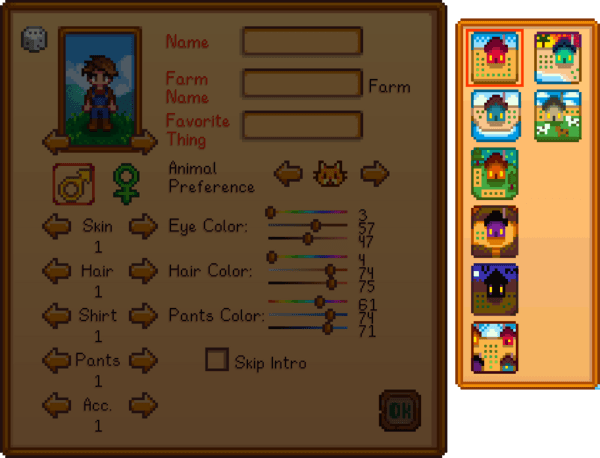
As someone who’s poured countless hours into farming sims, I get the shock of seeing Riverland Farm’s waterways swallow your plots whole—only to realize you’ve been playing “hard mode” all along. One Redditor, after seven in-game years of fruitless crop rows and half-built barns, finally twigged that the island aesthetic comes with a serious trade-off: far less land to work with.
How Riverland Farm’s Layout Shapes Your Strategy
Riverland Farm offers just 1,578 tillable tiles and 516 buildable spots, compared to the Standard Farm’s generous sprawl. That means:
- Every sprinkler placement and scarecrow becomes critical, since you can’t just blanket a field.
- The patchwork of islands forces repeated walking routes, eating into precious energy and time each day.
- Barns and coops must be sited on narrow strips, limiting space for ancillary sheds and silos.
On Standard or Forest Farms, most players breeze past these constraints, focusing on layout aesthetics. On Riverland, poor planning turns into a logistical headache by Year 2.
Fishing and Foraging Perks vs. Farming Constraints
Riverland Farm does grant instant water access for fishing and some early forage hotspots—handy if you’re chasing fish bundles or want a quick cash infusion from Smoked Fish. But that convenience can lull you into a false sense of security. Time spent hauling tackle to tiny islands is time not spent watering crops or visiting townsfolk. The yield gap widens fast unless you carve out specialized zones for both farming and fishing operations.
FinalBoss // Gear
Level up your setup
01Top-rated gaming headsetson Amazon→02High-refresh gaming monitorson Amazon→03Gaming chairson Amazon→04Discounted game keyson Kinguin→Affiliate links · As an Amazon Associate, FinalBoss earns from qualifying purchases.
Maximizing Output on a Tiny Island
If you’re determined to turn Riverland into a productive paradise, consider these tactics:
- Vertical crop strips: Plant in long columns that align with sprinkler reach to minimize wasted space.
- Seasonal rotation in greenhouses: Fill entirely with high-value crops to offset the open-air tile shortage.
- Compact livestock pens: Build deluxe coops and barns early, then fill surrounding land with crops to keep everything within walking distance.
- Craft fish ponds and kegs on large tiles only—avoid small pockets of land that disrupt workflow.
Even with this min-max approach, patience is key. You’ll trade large-scale bulk harvests for high-margin specialty goods.
Want to Level Up Your Gaming?
Get access to exclusive strategies, hidden tips, and pro-level insights that we don't share publicly.
Ultimate Gaming Strategy Guide + Weekly Pro Tips
Choosing the Right Map for Your Playstyle
Newcomers: If your goal is a sprawling wheat empire or an expansive orchard, Standard, Forest, or even Beach Farms will give you room to experiment without early roadblocks. Riverland shines when you relish tight puzzles—optimizing every tile becomes its own hobby.
Veterans: If your current farm “feels off,” double-check your map. Many long-time players assume underperformance is a UI glitch or bad RNG, when it’s really the island’s restrictive geography.
Final Thoughts: When Cozy Sim Meets Early Hard Mode
Stardew Valley proves difficulty can hide in plain sight. Without combat or deadly bosses, Riverland Farm sneaks a stealth challenge into a laid-back world. It’s a reminder that every map choice sets the tone for your entire playthrough. Whether you love the island vibe or vow never to cross another river tile, Riverland Farm stands as proof that sometimes the hardest battles are against your own in-game decisions.