
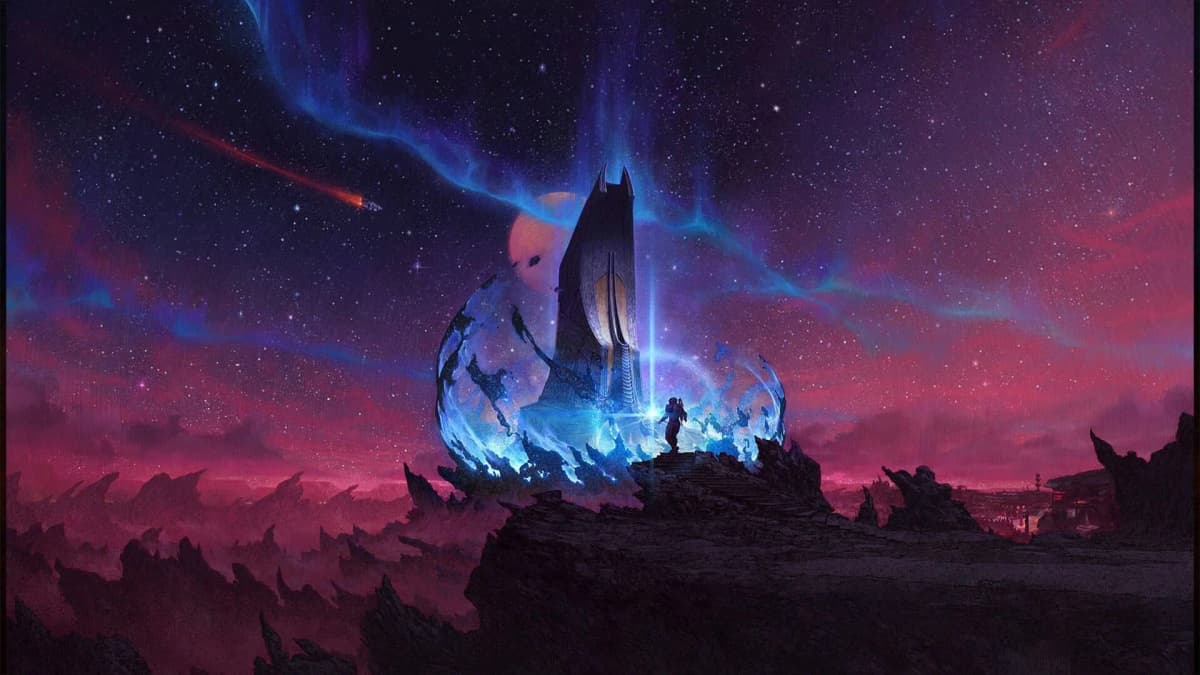
Starfield’s Procedural Galaxy vs. Bethesda’s Handcrafted Magic — A Skyrim Lead Explains the Gap
Starfield’s Great-but Bruce Nesmith’s Honest Take Explains Why It Didn’t Hit Skyrim/Fallout Heights
This caught my attention because it puts words to what a lot of us felt while playing Starfield: respect, even love, for the craft, paired with an itch that never quite got scratched. Bruce Nesmith-D&D veteran, Skyrim’s lead designer, and a systems designer on Starfield before leaving Bethesda in 2021-says Starfield is “a great game,” but “not in the same calibre” as Fallout or The Elder Scrolls. In an interview, he points to the reliance on procedural planets and underwhelming alien encounters as the culprits. As someone who clocked triple-digit hours tinkering with ships and running Crimson Fleet missions, I agree—and here’s why his critique matters.
Key Takeaways
- Nesmith praises Starfield but says it’s not at the Skyrim/Fallout tier due to procedural sprawl diluting handcrafted depth.
- Space, by design, is “inherently boring”—so the thrill must come from authored locations, characters, and quests.
- Aliens mostly serve as ambient threats; “the only serious enemy you fought were people,” which narrows encounter variety.
- If a non-Bethesda studio shipped the same game, reception might’ve been kinder—expectations cut both ways.
Breaking Down the Critique: Procedural Planets vs. Bethesda’s True Superpower
Bethesda’s best tricks aren’t about size; they’re about density. Think Bleak Falls Barrow’s elegant tutorial dungeon, Fallout 3’s Megaton moral fork, or the way Diamond City layers vendors, quests, and gossip into a living hub. Starfield gives you a galaxy, but too often it feels like a mosaic of lightly dressed tiles. You land, scan, loot, fight pirates, and bounce—immersive for a while, then familiar fast. That’s the trade-off when procedural generation drives exploration: it fills space efficiently, but it rarely births the kind of bespoke moments that become gaming folklore.
Nesmith, a self-professed space nerd who worked on the astronomical data, is blunt: space is mostly nothing. That’s scientifically true and design-problematic. The solution isn’t more empty rocks—it’s riveting places on those rocks. Starfield has some: the Mantis quest is a standout, Neon and Akila have character, and the Crimson Fleet arc scratches the pirate fantasy. But between the highlights, the connective tissue often collapses into fast-travel hops, loading-door city districts, and copy-paste outposts that don’t tell enough stories.
Alien Life That Mostly Bites (and Not Much Else)
Starfield’s creature catalog looks cool, but Nesmith’s comparison to “wolves in Skyrim” is on point: most aliens are combat noise rather than narrative catalysts. Yes, terrormorphs bring drama in specific story beats, but across a thousand planets you mostly fight spacers and pirates. Bethesda shooters have improved since Fallout 4—guns feel crisp—but combat repetition without strong enemy ecology or faction interplay takes a toll in a game this vast.
Compare that to Mass Effect’s approach: fewer worlds, more authored friction—Rachni, Geth, Collectors—distinct threats that shape quests and lore. Or No Man’s Sky, which leans fully into procedural vibes and chill discovery, not deep RPG questing. Starfield aimed for the middle and sometimes got the worst of both worlds: broad but thin.
The Expectation Tax: When Your Name Is Bethesda
Nesmith’s point that “if the same game had been released by ‘not Bethesda,’ it would have been received differently” rings true. A studio with a lesser legacy might’ve been praised for the scale and systems. But Bethesda Game Studios is judged against Skyrim’s timeless exploration loops and Fallout’s indelible quest hooks. It’s not unfair; it’s the cost of past brilliance. And to be fair, there’s pride here—Nesmith says he’s proud of the team. That’s important context: the critique isn’t a dunk; it’s a diagnosis.
Want to Level Up Your Gaming?
Get access to exclusive strategies, hidden tips, and pro-level insights that we don't share publicly.
Ultimate Gaming Strategy Guide + Weekly Pro Tips
What This Means for Players (and for The Elder Scrolls 6)
If Starfield didn’t click for you, you’re not broken—the design asks you to make your own fun across a lot of similar terrain. Mods and ongoing updates help, especially where they add curated questlines, city overhauls, or more meaningful outposts. But the core loop is still exploration first, narrative density second. Future content can (and likely will) inject more handcrafted slices—new quest hubs, bespoke dungeons, richer faction arcs. The galaxy map won’t change, but the reasons to care about specific dots on it can.
For The Elder Scrolls 6, this critique basically underlines the path forward: prioritize density over breadth. Bethesda’s crown jewels are hand-authored spaces that reward curiosity every few steps, not every few light-years. If TES6 leans hard into layered cities, interlocking factions, and dungeons with micro-stories in every chamber, it’ll remind everyone why “Bethesda RPG” used to be shorthand for unputdownable weekends.
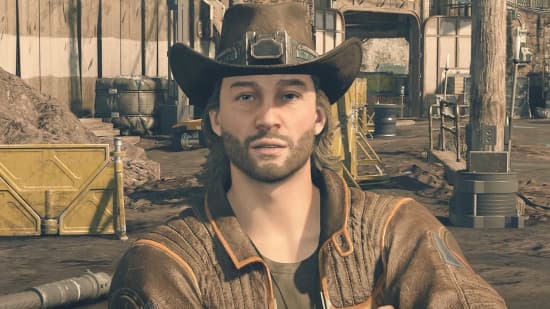
The Gamer’s Perspective
I loved building ships, role-playing as a corporate fixer turned space pirate, and stumbling into weird artifacts that cracked open late-game ideas. But I also missed the “one more cave, one more rumor” compulsion that Skyrim nails. Starfield is a great sandbox with strong systems; it just needed more unforgettable sandcastles. Nesmith’s comments don’t diminish the game—they clarify the gap between very good and all-timer.
TL;DR
Skyrim lead Bruce Nesmith says Starfield is “a great game,” but procedural planets and thin alien design kept it from Bethesda’s top tier. He’s proud of the team; he just thinks the studio’s magic lives in handcrafted density. Starfield shines in moments—now it needs more of them.