
Starfield’s Realistic Star Map: The Detail No One Noticed After a Year
The One-Year Discovery in Starfield That Changes How We See the Game
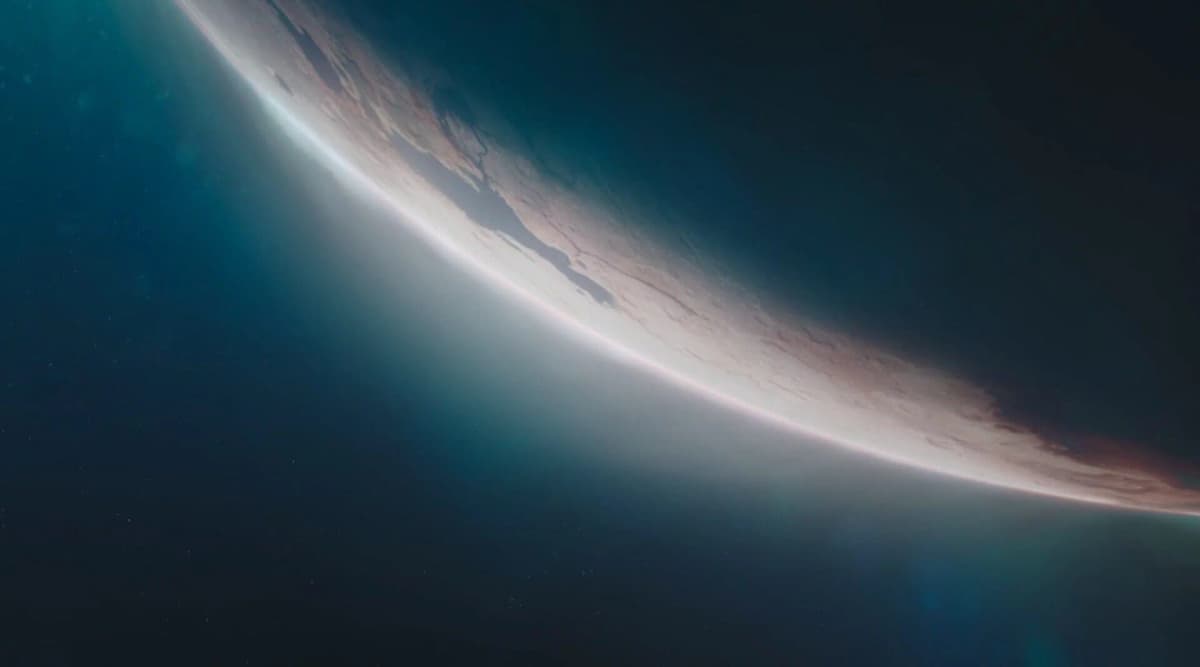
I’ll admit it-I thought I’d seen just about everything Starfield had to offer after clocking dozens of hours since its release in September 2023. But this week, a post popped up on Reddit that legitimately made me stop and reconsider Bethesda’s whole approach with their first new IP in decades. Here’s the scoop: players have only just noticed that Starfield’s star map isn’t just a pretty static background-it’s actually simulating real planetary motion, and after a full in-game month, planets and moons find themselves in new positions, all dynamically reflected in what you see from both your ship and the surface. For a game that’s often accused of feeling a bit too “Bethesda formula,” this is the kind of obsessive attention to detail I wish more games put in.
- Bethesda secretly built a dynamic astronomy system into Starfield’s galaxy map.
- Planets and moons shift position over time-even matching their positions from ground views.
- Most players went a whole year without realizing this was happening.
- This subtle realism could be a blueprint for future space sims—and for what PS5 players might soon experience.
Why Didn’t We Notice Sooner?
I’ve often found that Bethesda games have layers that you only peel back after long playthroughs, but I don’t think anyone expected Starfield’s solar system modeling to be quite this advanced. The Reddit post by GdSmth shows the kind of sleuthing that the dedicated part of the community loves—after noticing that Kreet and Vectera (moons orbiting Anselon) had moved relative to their previous positions, they realized the star map reflects actual orbital progression. If you’re someone who dips in and out of questing without poring over navigation screens, it’s honestly no wonder you’d miss it. Plus, it proves Bethesda’s quietly put a full solar simulation under the hood for something most wouldn’t notice unless they were paying close attention over in-game weeks. For me, that’s the sort of nerdy detail that gives a universe depth—even if the game itself sometimes stumbles in other areas.
Starfield’s Subtle Science: More Than Space Tourism?
Let’s be real: Starfield got hammered by some critics at launch for not living up to the “next-gen space RPG” dream, especially stacked against Baldur’s Gate 3 in late 2023. There’s still a lively debate in my group chats: Starfield’s world feels massive, but does it deepen with time or just feel empty? Discoveries like the dynamic star map nudge me to give Bethesda more credit for going way beyond the basic space sim checklist. Sure, it’s no Kerbal Space Program, but for a triple-A action RPG to care about orbital positions—and match what you see in the sky from the planet’s surface to your space map—that’s genuinely impressive.
Of course, there’s a trade-off: unless you manually time-skip or obsess over astronomy, it’s easy to breeze past these touches. This raises a big question of design focus: should games spend resources on details most of us won’t see, or double down on the core loop? Personally, I want more of both—the little stuff is what separates generic open worlds from ones that actually feel alive.
PS5 Port Rumors: Will Sony Players Get the Full Experience?
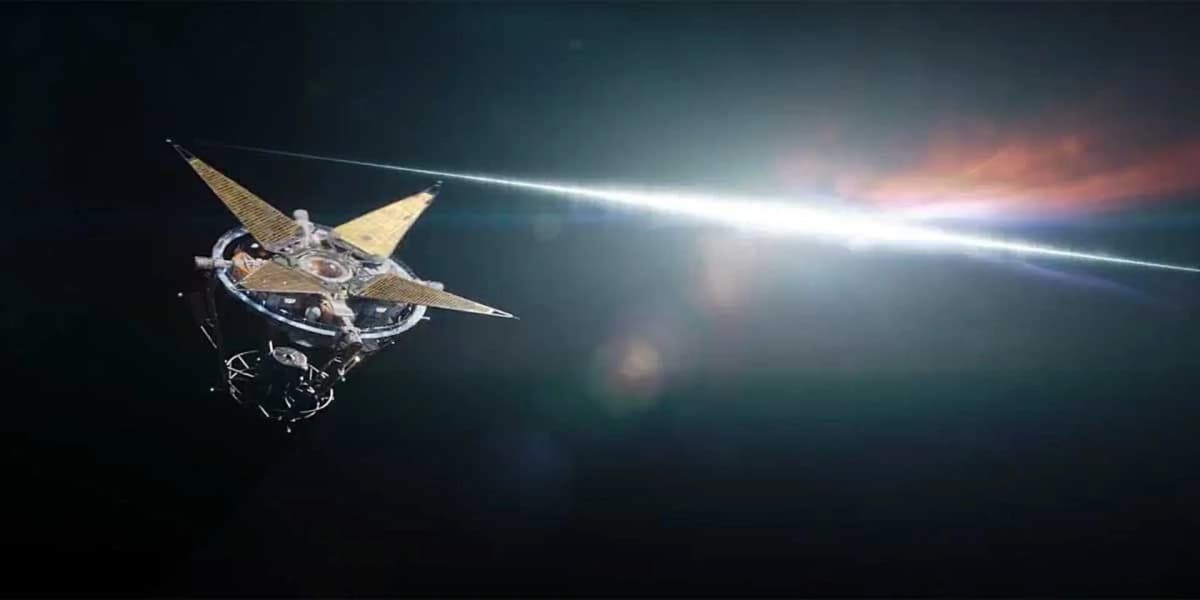
Let’s not dance around it: the PS5 crowd is still waiting—and speculating—about when (not if) Starfield lands on Sony hardware. Microsoft’s recent push to put former Xbox exclusives like Sea of Thieves and Forza Horizon 5 on PlayStation makes it feel like a Starfield port is inevitable, even if we’ve got no official date. If and when it does arrive, the hope is that all these simulation details, from planet orbits to skybox views, make the jump intact. Honestly, if Bethesda’s ‘secret’ star map is news to longtime players, new audiences are likely in for a surprise, too. In a space-RPG landscape that often promises realism but delivers little more than flashy fast travel, Starfield’s slow-burn attention to cosmic movement could become its real calling card—especially as No Man’s Sky raised the bar for cosmic immersion through years of updates.
Has Starfield Finally Found Its Niche?
A year post-launch, Starfield hasn’t been the dominant force many hoped. Yet, discoveries like this show the game might age better than its rocky start suggested. While the “Shattered Space” DLC brought some players back in September 2024, what keeps Starfield alive are these small moments of wonder. I’ve got to wonder if Bethesda’s patient, detail-driven approach will pay off biggest in the long run—the kind of thing people finally start to celebrate after years, much like what happened with Fallout: New Vegas or the late-blooming Skyrim mod scene. At the very least, consider this an invitation: maybe crack open the star map next time you play and see the system in motion. It’s a reminder not to judge sprawling RPGs on the first 40 hours.
TL;DR
Starfield’s star map is quietly simulating the movement of planets and moons in real time—a detail barely anyone noticed for a year. While its big splash may have faded, the game hides more depth than it gets credit for, and PS5 players have a lot to look forward to if (when!) that port lands. Keep your eyes open: there’s more to Starfield’s space than just fast travel from A to B.