
The Kickstarter reveal of Starfinder: Afterlight stopped me in my tracks. Barcelona’s Epictellers Entertainment and Paizo are teaming up to bring the tabletop RPG’s signature crunchy combat and irreverent sci-fi storytelling to PC in 2026. After watching ambitious TTRPG adaptations struggle under their own weight, I wanted to dig into what truly matters—and where early hype might outpace reality. Strap in for a closer look at the promises, pitfalls, and potential of this crowdfunded adventure.
What Is Starfinder: Afterlight?
Afterlight is a single-player sci-fi RPG/strategy hybrid built on the Starfinder second-edition rulebook. You’ll assemble a customizable party, explore alien worlds, and navigate interplanetary politics through dialogue and diplomacy. Ground-based, turn-based skirmishes suddenly give way to tactical starship battles in orbit. Early Access on Steam is slated for 2026, followed by a full launch later that year or beyond—if the development roadmap holds firm.
Core Features That Could Make or Break It
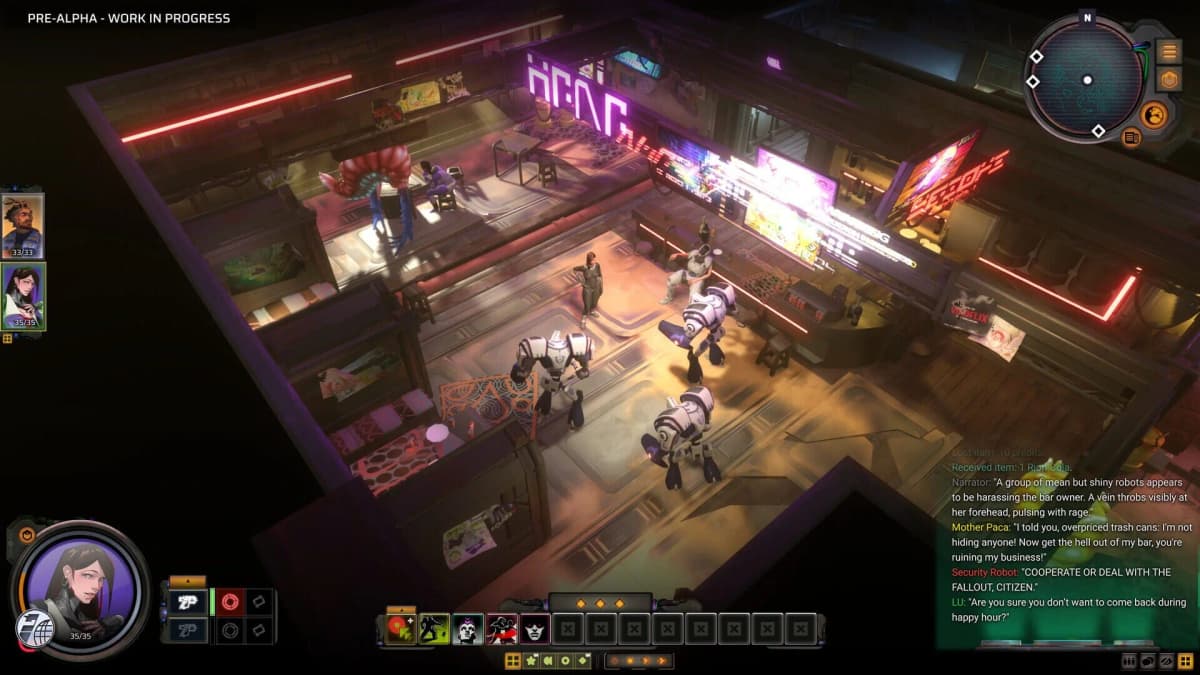
- Faithful 2E Mechanics: Every class, skill, and crunchy rule from the tabletop survives the transition. Fans crave this depth—newcomers might face a steep learning curve if the interface doesn’t simplify where needed.
- Dual-Layer Combat: Seamless shifts between squad tactics on the ground and strategic ship-to-ship engagements promise variety. Balance is key: if one mode outshines the other, the weaker half will feel tacked on.
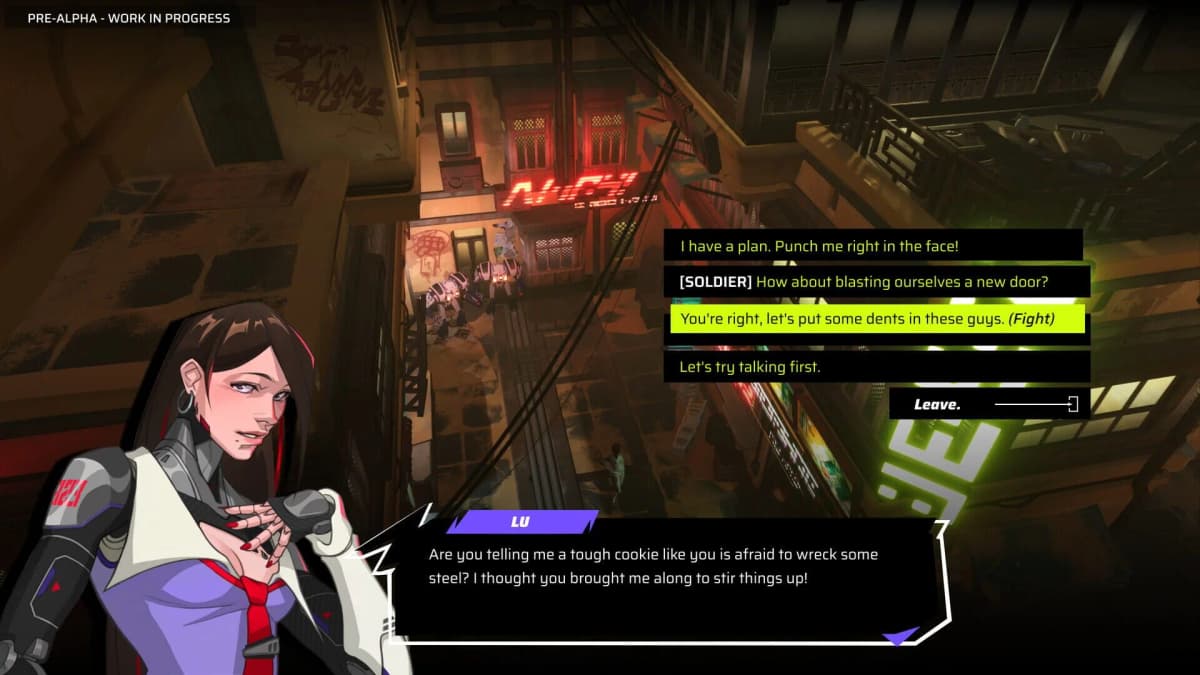
- Six Voiced Companions: Under Neil Newbon’s direction, each character boasts BioWare-style arcs, moral quandaries, and sharp banter. Rich personalities can elevate the story—too much comic relief, however, risks undercutting high-stakes drama.
- Mod Support & Difficulty Options: Built-in Steam tools invite community creativity, from custom races to new narrative campaigns. Adjustable settings range from story-focused ease to tactical nightmare for hardcore strategists.
Altogether, these cornerstones define Afterlight’s ambition: authentic Starfinder depth, varied combat, rich companion moments, and community-driven longevity. The execution will determine whether ambition turns into breakthrough or overreach.
Community Longevity: Mods and More
Mod support is often the lifeblood of PC RPGs, and Afterlight leans heavily on it. Steam Workshop integration should enable everything from balance tweaks to entire expansion campaigns. Imagine adding new alien species, spaceship blueprints, or philosophical questlines—each mod could reshape the game’s universe.
- Custom Races & Classes: Community creators could fill gaps or introduce fan-favorite archetypes, deepening replay value long after launch.
- Quality-of-Life Tweaks: UI improvements, faster navigation, and streamlined tutorials could smooth the onboarding process for new players.
- User-Generated Campaigns: Dedicated storytellers might craft political intrigue across multiple star systems, extending the base 40–60 hour campaign into hundreds of hours.
If Epictellers supports modders with clear documentation and regular updates, Afterlight could enjoy a thriving, evolving community rather than fizzling out after the initial launch glow.
Industry Lens: More Than a Straight Port?
Larian’s Baldur’s Gate 3 showed that you can honor tabletop rules while reinventing them for digital play. Epictellers brings pedigree from tech-heavy shooters like Crysis and narrative action titles like Ryse: Son of Rome, but a sprawling sci-fantasy RPG is new ground. The true test will be whether they can keep the crunchy core intact while streamlining menus, managing performance, and delivering fresh mechanics that feel native to the screen.
The Kickstarter Factor: Risks & Rewards
Crowdfunding delivers creative freedom and a built-in community, but it can also lead to scope creep and extended delays. Backer-funded hits like Wasteland 2 and Torment: Tides of Numenera set a precedent for both success and prolonged silence during development. Paizo’s backing adds legitimacy—yet every stretch goal carries the risk of overextension as budgets and timelines shift.
Should You Pledge?
If you love deep tactical systems, space-opera lore, and witty companion dialogue, Afterlight belongs on your radar. Small Kickstarter tiers with in-game cosmetics or digital rulebooks are low-risk ways to support the project. For bigger investments like physical rewards or higher-tier bonuses, consider waiting for an Early Access build or a playable demo. That way, you back the vision without betting your wallet on a version you haven’t tested.
Bottom Line
Starfinder: Afterlight has the raw ingredients for a standout digital TTRPG: faithful 2E mechanics, dual-layer combat, memorable companions, and robust mod tools. But ambition brings risk. Crowdfunding can fuel creative highs and unplanned detours. Keep expectations measured, watch for hands-on previews, and pledge wisely. If Epictellers delivers on these promises, you might just witness the first true Starfinder RPG—one level at a time.