
Starseeker: Astroneer’s Chill Vibes Go Timed Co‑Op Chaos in 2026 — Here’s the Real Pitch
Game intel
STARSEEKER: Astroneer Expeditions
STARSEEKER is a new game set within the Astroneer universe with a focus on discovery, cooperative expeditions, and camaraderie. Exploring deep space on the ESS…
Astroneer’s next chapter trades zen for zany-on purpose
I’ve put an embarrassing amount of hours into Astroneer’s peaceful loop of digging, tinkering, and shipping weird research pods into orbit. So when System Era Softworks teamed up with Devolver Digital to unveil Starseeker: Astroneer Expeditions, a 2026 spin on the universe built around timed, 1-4 player co-op runs, my ears perked up. This isn’t more chill terraforming-this is the Friday-night “one more run” flavor, complete with handcrafted planets, modular tool attachments, and a hub that the devs literally framed as more “party bus” than sterile lab. That’s a bold pivot-and it might be exactly the right one.
Key takeaways
- Session-based expeditions: prep on the ESS Starseeker, deploy with a hard timer, survive, extract, debrief.
- Handcrafted worlds starting with Tephra: dense jungles, oceans, caverns, and persistent landing zones to revisit.
- Modular “nozzles” and EXO tools: environmental manipulation meets light combat against aggressive fauna.
- Up to four-player co-op, solo-friendly is promised—but difficulty balance is the big question.
- Releases in 2026; platforms, monetization, and progression systems not yet detailed.
Breaking down the announcement
Starseeker anchors everything to an orbiting hub—the ESS Starseeker—where you buy, design, and even trade gear before each mission. The tone is deliberately chaotic: yes, you can assemble a sensible kit… or toss caution to the solar winds and bring a beach ball and fireworks. Once your dropship hits dirt, a mission clock starts. Worlds are hostile, the plan unravels, and your squad absolutely will make it worse—by design.
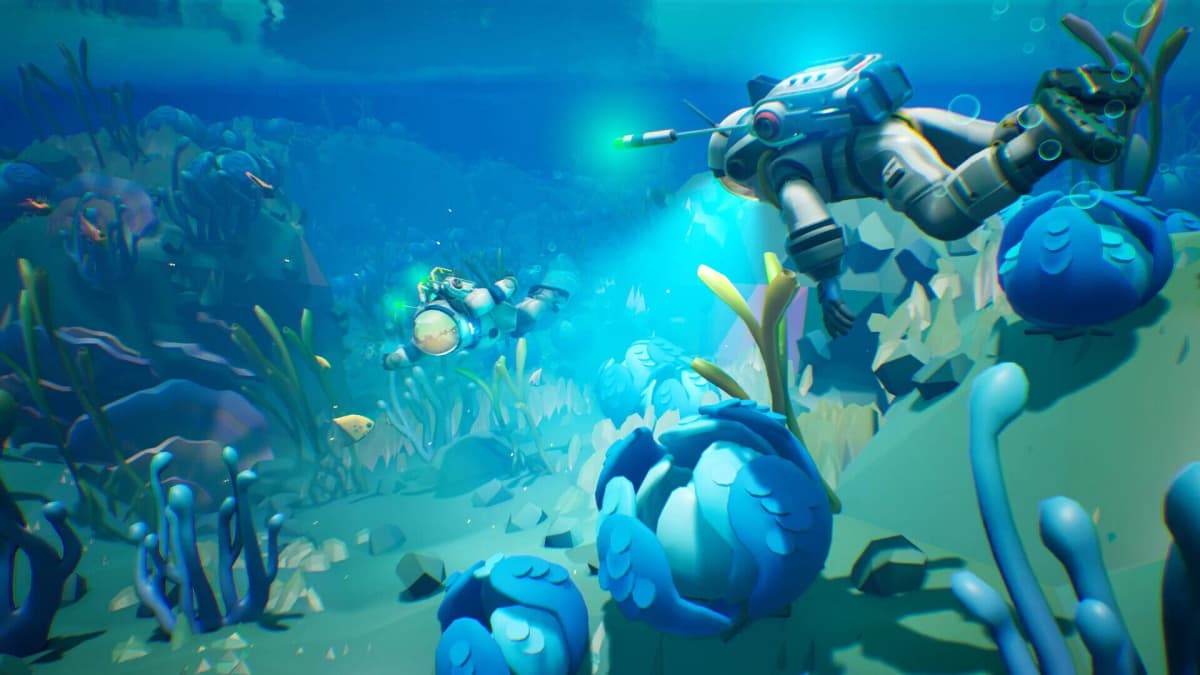
The first featured destination is Tephra, a lush but dangerous planet with thick jungle canopies, deep caves, and oceanic stretches. Unlike the procedural sprawl of Astroneer’s original planets, these are hand-built spaces. That matters: handcrafting supports tighter mission design, set-piece encounters, and the ability to revisit specific clearings, stashes, or scenic spots. As your team pushes deeper, more landing zones unlock, revealing tougher objectives and bigger team missions.
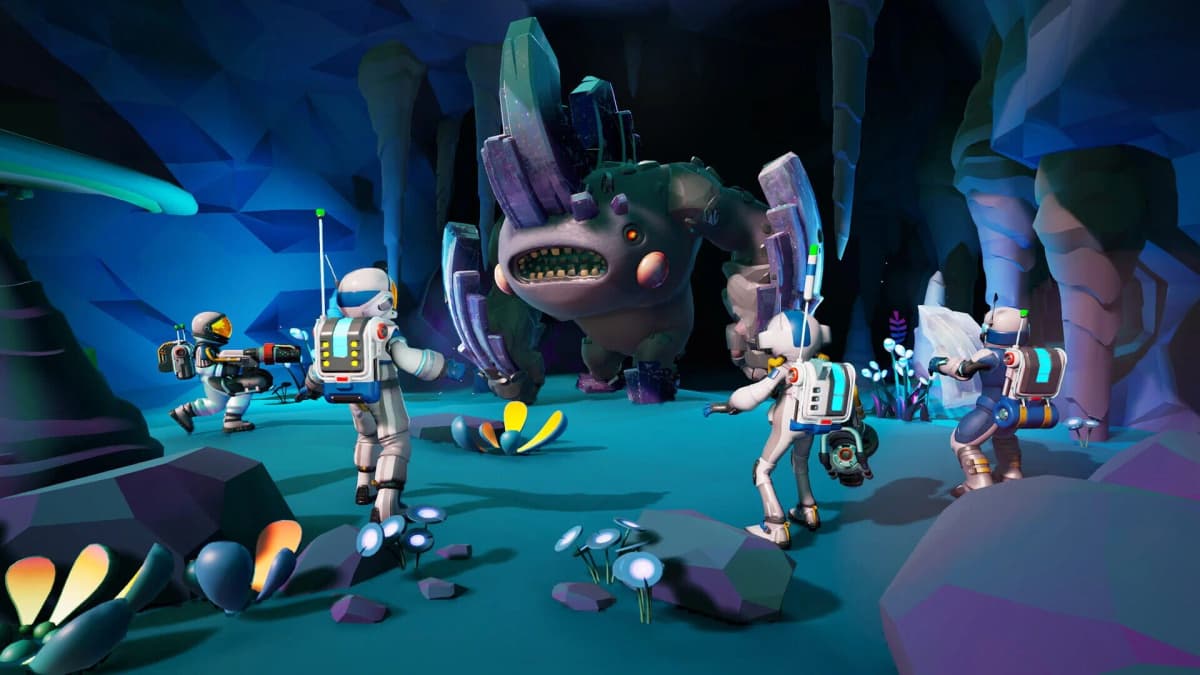
The gameplay demo laid out a classic co-op arc: land on Tephra, reach high ground to reestablish a comms relay, clear alien growths with water nozzles, fend off swarms, and book it back to extract before the timer zeroes out. The “nozzles” are modular upgrades that snap onto EXO tools, changing how you interact with terrain and tech—very much an evolution of Astroneer’s terrain tool mods, but pointed at mission goals and moment-to-moment problem-solving. Between objectives, the squad detoured to chase carrot-shaped critters and troll each other because, of course, they did. If Deep Rock Galactic taught us anything, it’s that structured chaos plus goofy co-op antics is a potent cocktail.
Why this pivot makes sense (and what could go wrong)
Astroneer’s long-term magic is creativity and chill exploration, but that same open-endedness can make session planning tough with friends. Starseeker looks like the antidote: tight, repeatable runs you can complete in an evening, with handcrafted layers that reward map knowledge and squad synergy. It slots right into the current co-op wave—think Deep Rock Galactic’s mission cadence, Helldivers 2’s extract-or-die push, and even Lethal Company’s “we absolutely shouldn’t press that button” energy—filtered through Astroneer’s colorful, toybox aesthetic.
There are caveats. Time pressure risks alienating Astroneer’s zen crowd if it’s too aggressive, especially for solo players. Combat is a tonal shift: Astroneer had hazards, not horde fights; one bad balance pass can turn clever improvisation into spongey attrition. Handcrafted maps can be brilliant, but they need breadth (multiple planets at launch) or strong modifiers to stay fresh across dozens of runs. And if trolling is part of the pitch, grief prevention and good failure states (“fail forward” rewards, quick recovery, generous checkpoints) are non-negotiable.
On the upside, System Era has a solid reputation for thoughtful post-launch support, and Devolver’s involvement signals a willingness to lean into personality without smothering design. The modular nozzle system could be the star if it meaningfully shifts tactics—think swapping from cleaning growths to pressure-spraying platforms, or combining effects across players for improvised solutions. If runs become little heists of terrain manipulation, gadget synergy, and “we shouldn’t have lived but we did” extractions, Starseeker will carve out its own identity fast.
Want to Level Up Your Gaming?
Get access to exclusive strategies, hidden tips, and pro-level insights that we don't share publicly.
Ultimate Gaming Strategy Guide + Weekly Pro Tips
The gamer questions that still need answers
- Progression: Is there persistent gear, station upgrades, or a roguelite-style meta? What hooks keep us queuing runs after week two?
- Solo viability: Is the timer tuned for one astronaut, or is matchmaking essential? Optional AI support?
- Platforms and cross-play: Not announced. Astroneer eventually hit PC and all consoles—cross-play would be a big win here.
- Replayability: How many planets at launch? Are there mission variants, biome-specific hazards, weather, or weekly modifiers?
- Monetization: Premium box price? Cosmetics only? Astroneer avoided aggressive monetization—hoping that ethos continues.
Looking ahead
This caught my attention because it respects what made Astroneer special (playful tools, environmental problem-solving) while embracing the modern co-op session format that actually gets friends online. If System Era nails the timer tuning, gives nozzles real depth, and ships with enough handcrafted locales to sustain discovery, Starseeker could be that dependable “two-hour chaos run” we rotate in alongside DRG and Helldivers. If not, it risks feeling like a cute novelty with great vibes and thin legs.
TL;DR
Starseeker turns Astroneer’s sandbox into timed, handcrafted co-op expeditions—prep on a party-bus hub, drop to hostile worlds, improvise with modular tools, and extract under pressure. It looks like a smart pivot; now the design needs to prove it has depth, progression, and staying power.