
State of Decay 3 is finally showing signs of life, and the first thing Undead Labs had to do was bury a corpse: that gorgeous 2020 reveal trailer was basically fiction.
Studio head Philip Holt has confirmed what a lot of veteran Xbox watchers suspected: when Microsoft rolled out State of Decay 3 during the July 2020 Xbox Games Showcase, there was no real game behind it. No in-engine slice. Not even a prototype. Just a concept written “in a Word document” and a pre-rendered cinematic from Blur Studio-with a zombie deer that will never make it into the final product.
Table of Contents (7)
Key takeaways
- The 2020 State of Decay 3 trailer was a pre-rendered concept made when the game existed only as a design document, with a tiny team attached.
- Undead Labs has now confirmed there will be no zombie animals in the final game-the viral zombie deer was marketing, not a feature.
- Alpha tests are scheduled to start in May 2026, focusing on four-player co-op, base-building, resources, and combat.
- This is another high-profile example of Xbox selling CG fantasy years before the real game is ready, and it’s finally starting to bite back.
That “reveal” trailer never revealed a real game
Holt’s comments strip the 2020 trailer down to what it actually was: a pitch deck with a Hollywood gloss. Blur Studio, the cinematic house behind half the industry’s sexiest CG trailers, built that State of Decay 3 video off early ideas. At the time, Holt says the project was “so early” it lived as text in a Word file, with maybe four or five people attached. There was no full team. No gameplay. No systems to speak of.
On one hand, this isn’t shocking. Xbox spent the early Series X years stacking showcases with CG “world premieres” for games that were obviously nowhere near done-Fable, Perfect Dark, Avowed’s first look, you know the pattern. On the other hand, hearing a studio head flat-out say “this was just a Word document” should make anyone who sat through those showcases wince.
What Undead Labs did is industry standard. What Microsoft did with that standard was weaponize it for platform hype, knowing full well those games were five-plus years out. The result is what we’re living now: a six-year gap between State of Decay 3’s announcement and the first proper alpha tests.
To Undead Labs’ credit, Holt is at least saying the quiet part out loud. Most studios would’ve just let the trailer sit there, unchallenged, and quietly shipped something different. Acknowledging that the reveal was basically a mood board in cinematic form is more honesty than we usually get.
The zombie deer is dead, and that’s actually the honest move
The most headline-friendly bit is the one Holt knew everyone would latch onto: “We’re not doing zombie animals.” The diseased deer that woke a lot of people up during that showcase? Cut. No zombie wildlife, period.
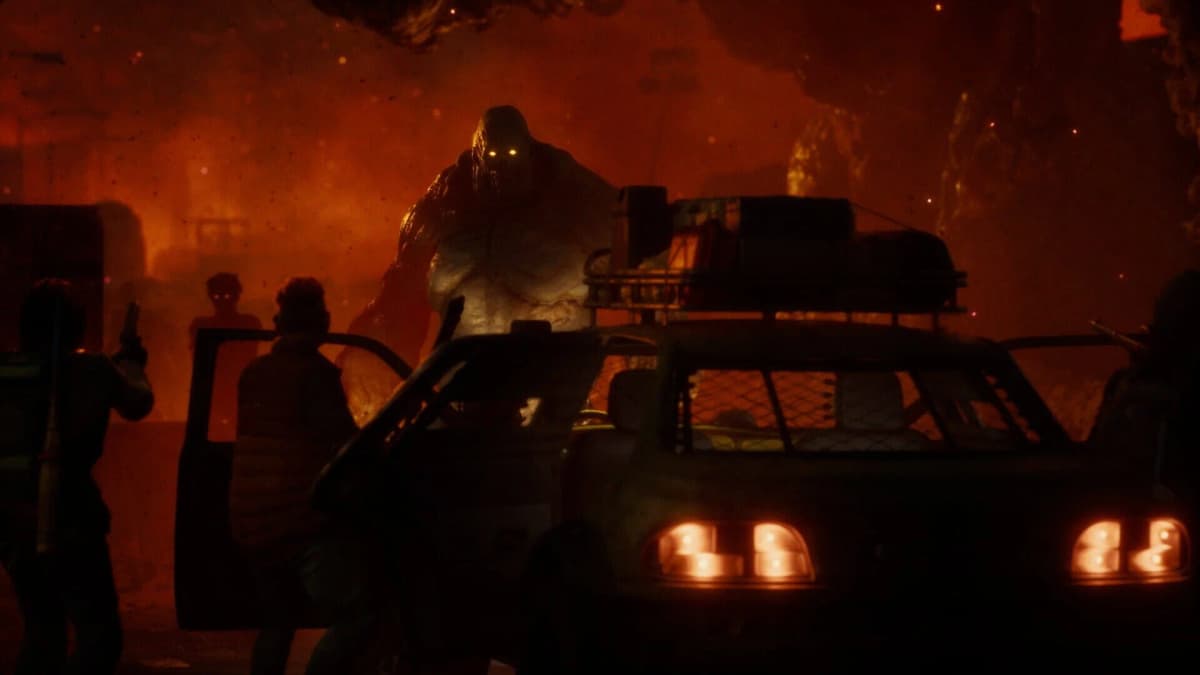
This is the kind of detail that exposes how far apart marketing and design can be. A CG trailer can throw in a horrific animal encounter because it looks cool and sells “this is a harsher, wilder apocalypse.” But once you’re building an actual game, zombie fauna means AI work, animation sets, bespoke encounters, and balance headaches. Either you do it properly—at real cost—or you ship three scripted moments and call it a day.
If Undead Labs knows they can’t support zombie wildlife as a real, systemic part of the survival sandbox, cutting it early is the correct design call. It hurts expectations, but it protects the game. The alternative is the classic bait-and-switch: ship with one zombie deer setpiece in an eight-hour campaign and let players figure out the rest was trailer fiction.
The uncomfortable bit is that this decision is being explained six years after that trailer ran, long after it did its job for Xbox’s showcase. Holt now has to stand there and say, essentially, “That thing you remember? We’re not doing it.” The PR team definitely hoped that moment would never come.
So what is State of Decay 3 actually trying to be?
Strip away the CG and it sounds like Undead Labs is finally building the game State of Decay has always threatened to become: a proper shared-world survival sim with four-player co-op baked in from the start, deeper base-building, and more meaningful resource management.
Recent updates and dev talks paint a picture of a hybrid between the first game’s tension and the second game’s systems. The upcoming alpha, scheduled to kick off in May, is heavily focused on:
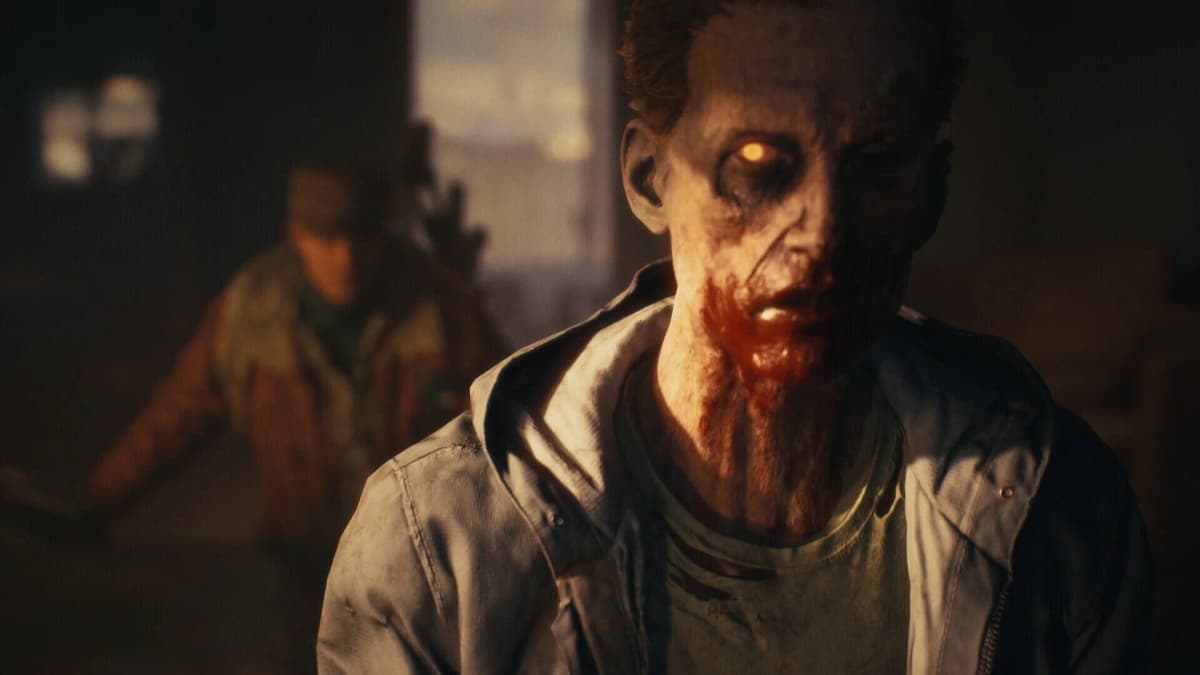
- Four-player co-op as a core pillar, not a bolted-on feature.
- Base-building that actually matters to long-term survival, not just a menu puzzle.
- Resource and community management meant to drive stories, not just timers.
- Combat and traversal that (in theory) feel less janky than State of Decay 2’s launch-state.
There’s also been talk of collaborating with Obsidian on network and shared-world tech—exactly the sort of thing Microsoft should be doing with its first-party studios instead of letting everyone reinvent the same broken wheel.
Context matters here: Undead Labs has spent a shocking amount of the last few years still patching and expanding State of Decay 2. That game quietly became a much better experience long after reviewers moved on—new maps, systems reworks, and a ton of tuning. It explains some of the slow public progress on 3, but it also means the team has had a long, painful education in what their systems do to real players over hundreds of hours.
If that learning actually lands in State of Decay 3, the lack of zombie deer won’t matter. What will matter is whether bases finally feel like lived-in strongholds, whether communities fall apart in interesting ways, and whether co-op elevates the tension instead of turning everything into a loot sprint.
Xbox’s trust problem is now Undead Labs’ problem
The bigger story isn’t one studio’s marketing misfire. It’s a pattern that’s now haunting Xbox’s whole portfolio.
State of Decay 3 is just the latest reminder that Microsoft spent the start of this console generation announcing games at the concept stage, with CG trailers that implied more readiness—and more ambition—than actually existed. Years later, studios are left holding the bag, forced to say, “Yeah, that wasn’t real yet,” as they finally approach something tangible.
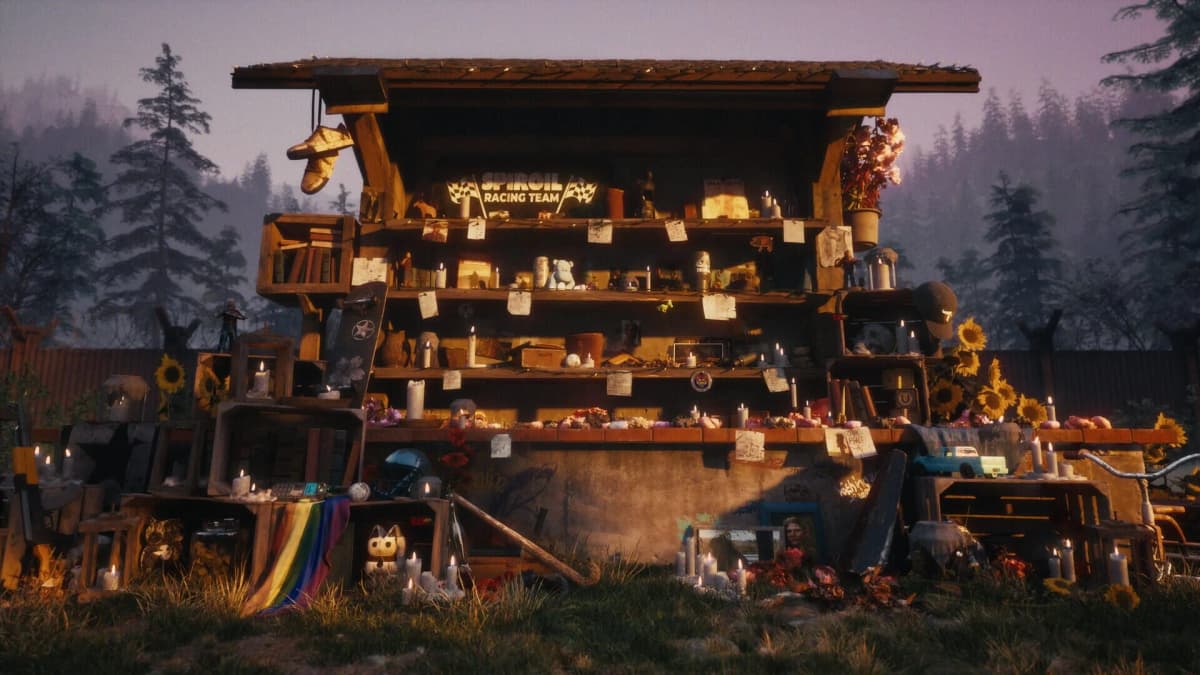
Undead Labs is doing the right thing by front-loading this honesty before the alpha. But the damage is cumulative. Every time an Xbox reveal turns out to be a Word document with a Blur trailer attached, players get a little more cynical about the next “world premiere.” Eventually, even the real stuff gets second-guessed.
If I had one question for Microsoft’s PR and portfolio leads, it’d be this: the short-term showcase buzz from these early CG reveals—was it really worth saddling your studios with a six-year expectation hangover?
What to watch next
The next real inflection point isn’t another trailer, it’s the May 2026 alpha. That build needs to answer three things quickly:
- Does four-player co-op feel stable and genuinely collaborative, or is it laggy chaos?
- Are base-building and resource loops deep enough to sustain long-term play, or just upgraded menus?
- Does the moment-to-moment combat finally feel modern, or is it State of Decay 2 with nicer lighting?
If Undead Labs can show a cohesive, systems-first survival experience—even in rough alpha form—then the “Word document” era becomes a mildly embarrassing footnote. If the alpha looks like a prettier State of Decay 2 with less ambition than that zombie deer implied, then this turns into another case study in why you don’t announce from a blank page.
TL;DR
State of Decay 3’s 2020 reveal trailer was never a real vertical slice—it was a concept cinematic made when the game existed only as a Word doc and a handful of staff, with zombie animals that are now fully cut. Six years later, Undead Labs is finally heading into alpha with a focus on four-player co-op, deeper bases, and long-term survival systems instead of flashy wildlife gimmicks. The verdict will come when players get hands-on in May: if the core survival loop lands, the zombie deer dies a deserved death; if it doesn’t, this becomes the poster child for Xbox’s habit of selling CG dreams it doesn’t yet own.
FinalBoss // Gear
Level up your setup
01Best-selling Xbox Series X|S gameson Amazon→02Xbox controllerson Amazon→03Top-rated gaming headsetson Amazon→04Discounted game keyson Kinguin→Affiliate links · As an Amazon Associate, FinalBoss earns from qualifying purchases.
Want to Level Up Your Gaming?
Get access to exclusive strategies, hidden tips, and pro-level insights that we don't share publicly.
Ultimate Gaming Strategy Guide + Weekly Pro Tips