
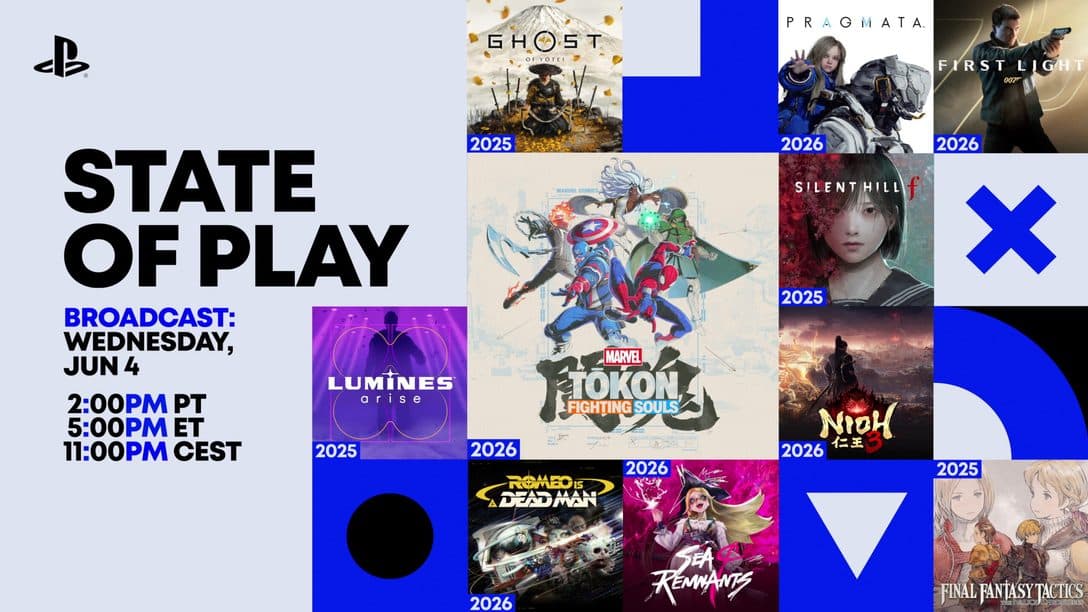
Let me be blunt: gaming feels both vibrant and dangerously complacent right now. I’ve logged thousands of hours chasing experiences that felt daring—and June 2025’s State of Play shows how far we’ve strayed. If you think these reveals and stats are “business as usual,” you’ve lost the fire for what games could be.
Here’s what June 2025 boiled down to:
According to Newzoo, 86 percent of Gen Z now plays on mobile, while PC revenues climbed 8.4 percent in Q2 2025 (NPD Group). Publishers are tearing down “platform walls” to chase those numbers—Helldivers II on PC launched with cross-save, Xbox Play Anywhere titles like Forza Horizon 5 continue to blur the lines, and even PlayStation’s Jim Ryan admits, “cross-play is the future.”
But at what cost? I remember when PlayStation was synonymous with finely tuned single-player polish, and Xbox meant broad-scale multiplayer ambition. Today, every UI, control scheme and in-game economy must accommodate phone, PC and console input. That efficiency comes at the expense of character. Even indie studios have felt the pull: one dev at Moonshift Games told me their 2D platformer now ships with four control presets, just to tick the “cross-play ready” box.
On the flip side, there are success stories: Rocket League soared when it embraced platform parity, and free-to-play indie hit Battlerite boasts a 70 percent cross-play retention advantage over single-platform releases. That suggests accessibility can coexist with identity—if developers choose focus over “lowest-common-denominator” design. The question is whether major publishers will demand that discipline or simply chase the next engagement spike.
We’re living in a remake Renaissance. Final Fantasy VII Remake has sold over 7 million copies (Square Enix Q1 2025), Resident Evil 2 and 3 reboots keep Capcom’s ledger healthy, and Konami is finally dusting off Metal Gear Solid. Capcom CEO Haruhiro Tsujimoto argues that remakes “fund creativity for new projects,” and it’s hard to dispute the ROI when a nostalgic re-release outperforms many AA efforts.
Yet for every triumphant rebuild there’s a missed opportunity. I long for the days of Shenmue’s unpolished ambition or early Mass Effect’s rough-around-the-edges world-building—titles that took real risks and could have crashed spectacularly. Today’s wave of glossy remasters often arrive on auto-pilot, reusing engines and assets while retreading familiar beats. It’s business-savvy, but it crowds out budget room for tomorrow’s breakout experiments.
Counterpoint: studios like Larian and Obsidian are thriving on all-new stories—Divinity: Original Sin 2 and Avowed prove that investing in fresh IP can yield both critical and commercial success. The deeper gamble is this: if we don’t fund the next bold idea, who will ever deliver a new Breath of the Wild or Dark Souls? The real nightmare is an industry content to live in the past.
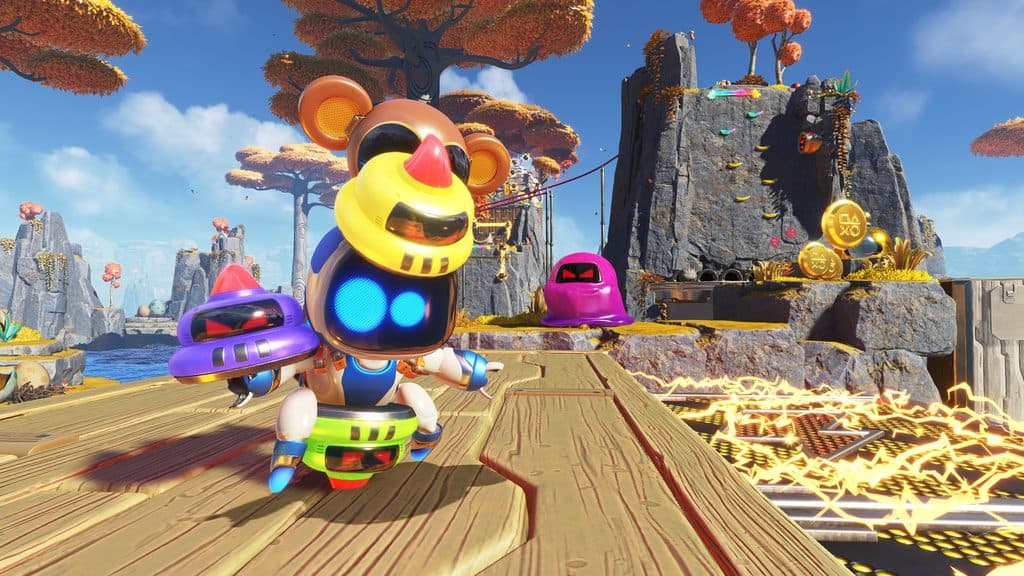
Global playtime jumped 8 percent this spring (SuperData), fueled by “survival-strategy” hybrids and live-service models. Games like Fortnite and Genshin Impact masterfully fuse cosmetics, events and meta-progression to keep us glued. As a longtime theorycrafter—whether in Stellaris or Monster Hunter—I appreciate rewarding loops. But today’s engagement often feels like a Skinner box backstage, designed to keep you clicking rather than challenging you to think differently.
Indie studio co-founder Mira Patel told me, “We build loops around player creativity, not retention metrics.” That ethos is rare, but it pays dividends in loyalty and word of mouth. Consider Tunic or Inscryption: both delivered unique mechanics and minimal grind, yet still achieved strong engagement and community buzz without resorting to daily login incentives.
There’s also a rising backlash: some players actively uninstall titles when they suspect predatory loops, forcing publishers to rethink “engagement.” Last quarter, Blizzard overhauled its daily quest system in World of Warcraft after user outcry. That shows measurement alone doesn’t guarantee goodwill—creative ambition and transparent design do.

This half, fewer than one in eight AAA releases met sales targets (IDC), while Roblox’s user-generated explosion shows where players now wield the controller. Meanwhile, Cybersecurity Ventures reports a 240 percent year-over-year surge in deepfake phishing attacks targeting gamers and developers alike. Add to that Steam’s Summer Sale—8,000 plus discounted titles drowning in a sea of discounts—and you get a discovery crisis that even Valve’s best algorithms struggle to fix.
AAA fatigue is real. Franchise benchmarks like Halo Infinite and Starfield both struggled to recoup budgets amid soaring production costs. AI-driven asset pipelines promise lower bills, but risk homogenizing art and diminishing job security. Discovery paralysis is no less dire: platform curation is patchy, editorial focus shifts at the mercy of metrics, and genuine hidden gems vanish under the weight of bulk releases.
As one indie curator told me, “I spend more time helping players find hidden gems than making games.” If storefronts won’t invest in authentic curation and developer spotlights, communities must. Player-driven review sites, curated Discord channels and Patreon-backed newsletters are emerging stopgaps—but they shouldn’t replace platform responsibility.

June 2025 is a crossroads. Will we settle for platform-agnostic comfort and glossy nostalgia, or demand the next leap—new worlds, fresh mechanics, genuine risks? I’m doubling down on indies, weird experiments and platform-native experiences that couldn’t exist anywhere else. Because if we don’t push back against the safe and familiar, that’s all we’ll ever get.
Here are four actionable takeaways:
Prediction time: by Q4 2026, we’ll see a new indie darling funded largely by community investment, breaking free of traditional publishing constraints. Whether that’s an asymmetric multiplayer experiment or a narrative-driven roguelite, it will remind us why we fell in love with gaming in the first place. Next time you fire up a title, ask yourself: is this merely a universal checkbox, or something only this developer on this platform could have dreamt up? Then back the bold answer.
Get access to exclusive strategies, hidden tips, and pro-level insights that we don't share publicly.
Ultimate Gaming Strategy Guide + Weekly Pro Tips