

Paperwork or Pandora’s Box? Inside Static Dread’s Terror
Game intel
Static Dread The Lighthouse
Lovecraft meets Papers, Please. Play as a lighthouse keeper and guide ships safely into the harbor using your radio. Survive the presence of something impossib…
Static Dread: The Lighthouse fuses meticulous paperwork with cosmic horror, transforming the mundane into an existential nightmare that lingers long after you close the game. From the moment you fire up this indie gem, you sense that no ledger is safe from the creeping dread just beyond the margins.
When Cosmic Terror Meets Bureaucratic Grind
Few settings feel as foreboding as a lonely lighthouse perched on jagged rocks, its rotating lamp failing against rolling fog. Combine that with an investigative system pulled straight from Papers, Please, and you have the perfect crucible for cosmic unease. Static Dread promises to warp your sense of routine, making every stamp you drop echo like a tolling bell for something ancient stirring beneath the waves.
Introduction: A Lighthouse Keeper Like No Other
In Static Dread, you become the sole caretaker of an aging lighthouse in a post-apocalyptic archipelago. Each day begins with the ritual of reigniting the beacon, followed by scanning crackling radio frequencies for incoming vessels—and the strange whispers they carry. While you log coal shipments and oil reserves, a persistent question gnaws at you: am I guarding mariners, or am I the last barrier between humanity and something malevolent lurking offshore?
Genre Fusion: Horror Meets Administrative Tedium
Static Dread wears its influences proudly. It melds survival horror’s atmospheric tension with the investigative backbone of a visual novel and the clock-driven scrutiny of Papers, Please. Your desk becomes a shrine of suspicion, littered with manifests, stamps, oil lamps, and the persistent dread that each document may hide a terrible truth. The result is a seamless tapestry of dread—one minute you’re troubleshooting faulty wiring, the next you’re deciphering an alias on a manifest that makes your blood run cold.
Core Loop: Logs, Lamps, and Lingering Unease
The core gameplay loop appears deceptively simple: refuel the lamp, repair broken machinery, and inspect every vessel that dares to draw near. Yet beneath this veneer of monotony lies a relentless tension. A stalled pulley isn’t just an equipment failure; it’s an omen that something transcendent is twisting your tools. A mismatched signature on a manifest becomes more than paperwork—it’s a fissure in reality, hinting at horrors that thrive in the gaps between the lines you write.
1. Lighthouse Maintenance: A Race Against the Elements
Your primary task is to keep the beacon burning and the waters safe, but storms are frequent and supplies limited. Every turn of the wrench and pour of oil feels like a fragile stand against oblivion.
- Monitor oil reserves and ration fuel to balance illumination against running out in the dark.
- Diagnose mechanical failures—from jammed gears to flickering bulbs—often under searing time pressure.
- Brace for storms that batter the tower, where each repair echoes like a heartbeat, reminding you of your own vulnerability.
When thunder hammers the lamp house, the ambient sound design amplifies your anxiety. Every creak and crack of wood feels prescient, as if the structure itself groans under otherworldly weight.
2. Investigation & Decisions: Paperwork or Pandora’s Box?
Every ship that appears on your radar carries a narrative of its own—and possibly an eldritch stowaway. Your decisions to approve or deny passage ripple through the archipelago’s fragile ecosystem.
- Crew Manifests: Compare names, ages, and signatures. A single discrepancy can invite chaos.
- Cargo Logs: Coal and fishing nets sit alongside cryptic, unlabelled crates. Approve one too many, and you may unleash something unspeakable.
- Radio Transmissions: Static-laced pleas for help and weather reports warp into voices that speak your name from beyond.
Trust the wrong manifest, and you unlock a new form of dread at your doorstep. Deny the right one, and you sabotage your own lifeline—each choice a double-edged sword.
3. Resource Management: Scarcity Breeds Tension
Resources are always on a knife’s edge. Will you siphon oil to keep the lamp blazing, or conserve it for a storm’s unpredictable onslaught? Every ounce of coal, every drop of oil, carries moral and practical weight. Do you gamble with your survival for one extra hour of light, or hunker down in darkness to save supplies for an uncertain future?
This tension extends beyond fuel. Spare parts for repairs are rare, forcing you to juggle priorities: do you fix a leaky generator or replace a cracked lens before the next fog bank arrives? Static Dread’s design ensures that each decision feels heavy, meaningful, and replayable.
Dynamic Narration: Choices That Truly Matter
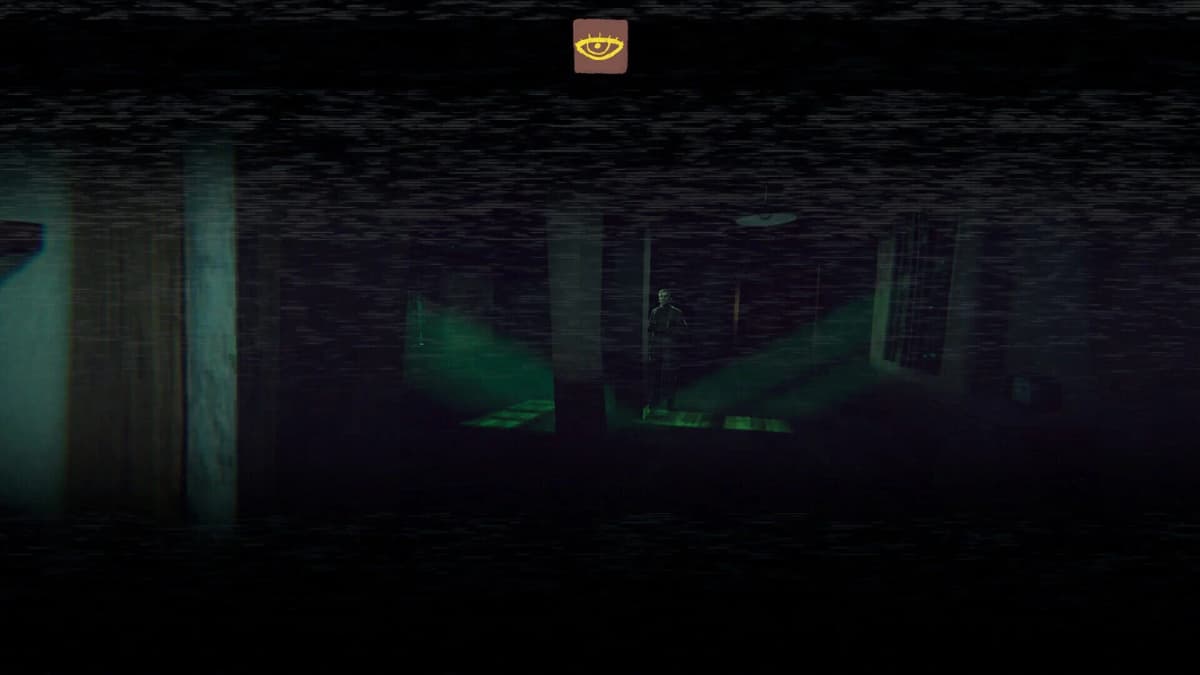
Your actions shape not just the lighthouse, but the story’s very fabric. Accept a questionable crew to gain parts, only to face a haunting disturbance in the night. Refuse another and watch the archipelago suffer from dwindling supplies. Multiple branching endings—ranging from grim solitude to mind-shattering revelations—ensure that replaying feels like peeling back new layers of cosmic dread.
Story & Atmosphere: Building Unrelenting Dread
Rather than relying on jump scares, Static Dread cultivates anxiety incrementally. It seeds doubt in your mind: a crackling radio that whispers for help, logbook entries that shift from practical notes to maddening warnings, and phantom footsteps in the shadows. By the end of your first in-game week, you’ll question every routine task and fear every storm’s arrival.
Art Direction: Chunky Pixels, Expansive Shadows
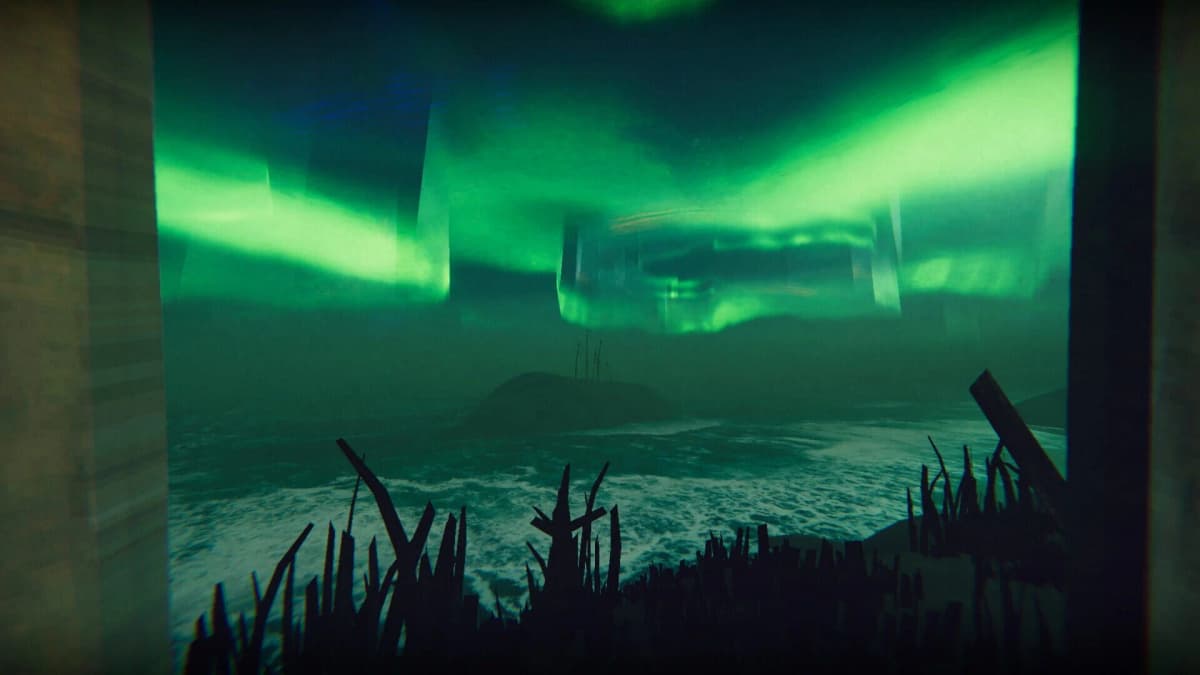
The pixel art style in Static Dread is deceptively simple but brimming with atmosphere. Muted blues and grays dominate the palette, while shafts of warm lamplight offer fleeting solace. The limited color range forces your imagination to fill in sinister details, turning a benign silhouette into something impossibly grotesque. Tiny touches—like oil dripping from a rusted spigot or waves gleaming under the beam—amplify immersion and dread.
Sound Design: Silence That Screams
Sound in Static Dread is more than ambiance—it’s a character. The wind’s howl through broken panes, the metallic tang of equipment under strain, and the unsettling hush between radio bursts keep you on edge. In one sequence, the only audible cue is distant thunder, yet it feels so alive, you can’t help but glance over your shoulder.
Replay Value & Multiple Endings
With dozens of narrative forks and critical supply-chain decisions, Static Dread offers high replayability. Whether you chase the practical “survivor” ending or pursue cosmic enlightenment, each run uncovers fresh terrors and moral quandaries. The game’s layered design means no two playthroughs feel identical.
Accessibility & Settings
Despite its complexity, Static Dread includes robust accessibility options:
- Adjustable text size and UI scaling
- Colorblind-friendly palettes
- Toggle for radio intensity and screen shake
- “Calm” mode that eases time pressure on paperwork
These features ensure that the game’s tension remains thrilling instead of frustrating for a wide range of players.
Comparisons: More Than Just Papers, Please with Monsters
If you loved the moral puzzles of Papers, Please, Static Dread elevates that thrill to cosmic proportions. For Lovecraft fans, its horror is woven into every detail, emphasizing the unknown rather than overt monstrosities. It feels less like a checklist and more like an ever-tightening noose around your sanity.
Who Should Play
Static Dread isn’t for adrenaline junkies hungry for non-stop action. It appeals to players who savor slow-burn narratives, moral complexity, and the relentless build-up of atmospheric terror. If you delight in scrutinizing every line of text, balancing scarce resources, and living with the consequences of each choice, this lighthouse keeper’s tale will enthrall you.
Technical Notes
- Platform: PC (Steam)
- Release Date: August 6, 2025
- Developer: solarsuit.games
- Publisher: Polden Publishing
- System Requirements: Modest; runs smoothly on most mid-tier PCs
Pros & Cons
- Pros: Unforgettable atmosphere, meaningful choices, inventive genre blend, strong replay value.
- Cons: Slow pacing, steep learning curve for manifest inspection, occasional menu navigation overhead.
Final Verdict
Static Dread: The Lighthouse transforms everyday record-keeping into an exercise in existential horror. Its masterful blend of administrative tedium and Lovecraftian tension creates an experience that haunts you long after you extinguish the beacon. If you crave a horror game that prizes patience, attention to detail, and moral ambiguity over cheap scares, this indie marvel will keep you enthralled—and unsettled—for many nights to come.
In Short
Static Dread delivers soul-shaking dread by turning paperwork into a portal for cosmic terror. For those brave enough to answer the call of the beacon, its meticulous bureaucracy and unsettling atmosphere form a perfect storm of horror.