
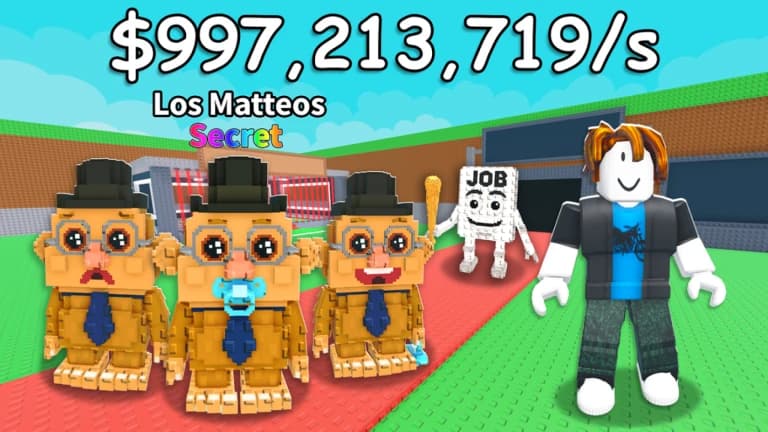
Why Roblox’s New Heist Game Refuses Freebies—and Players Are Hooked
Game intel
Steal A Brainrot
Why Roblox’s New Heist Game Refuses Freebies—and Players Are Hooked
When Steal a Brainrot quietly slid onto Roblox, I braced for the usual storm of promo codes, Discord scavenger hunts, and flashy social-media contests. Instead—silence. No freebies. No hype loops. For a game about ripping off vaults, it refuses to hand out loot. It’s a meta-troll on freebie culture: if you want the thrill, you’ll have to earn it.
The Promo Code Gold Rush
These days, promo codes are gaming’s low-hanging fruit. A simple text string can spark a rush of logins, tweets, YouTube tutorials, and influencer posts:
- Fortnite’s Creator Codes: Players and content creators trade codes to unlock skins and support streamers.
- Genshin Impact’s Login Bonuses: Daily check-ins gift Primogems or weapons—fueling a habitual login spike.
- Steam Key Giveaways: Indie devs drop keys to ignite reviews and word-of-mouth buzz.
These freebies tap into our dopamine loops: the chase feels rewarding even if the reward is small. They boost daily active users (DAU) and social chatter—but when codes vanish, attention often drifts away.
Section Summary
- Promo codes drive quick spikes but short-lived loyalty.
- They shift focus from gameplay to coupon hunting.
The Steal a Brainrot Experiment
Steal a Brainrot turned that playbook inside out. No teaser codes. No hidden URLs. Instead, developers challenged players to dive in and uncover mechanics organically. By stripping away marketing crutches, they forced the spotlight back onto what really matters: sneaking, strategy, and the sweet rush of a flawless heist.
In an era of Tycoon clones and copy-paste monetization, this zero-code launch feels unprecedented. It’s as much a design philosophy as a marketing stunt—one that bets on community curiosity over coupon clipping.
The Psychology of Freebies Versus Mastery
Game designers often lean on extrinsic rewards—promo codes and login gifts—to spark engagement. But self-determination theory warns that overusing external carrots can undermine intrinsic motivation: the pure joy of mastering a challenge.
Self-Determination Theory Explained
At its core, self-determination theory argues that players are driven by autonomy (choice), competence (skill), and relatedness (community). When freebies flood in, they satisfy short-term curiosity but can dilute the sense of accomplishment.
- Autonomy: Earning your own way fosters real ownership.
- Competence: Overcoming a tough heist feels deeply rewarding.
- Relatedness: Sharing tactics builds community bonds.
Section Summary
- Too many freebies can erode genuine player commitment.
- Intrinsic rewards—skill mastery and community—forge lasting engagement.
What Players Are Saying
Without promo-code drama, the chatter has shifted. Player sentiment falls into three camps:
- The Purists: “Finally a game that trusts our skills,” says a Redditor applauding the raw challenge.
- The Skeptics: “They left marketing gold on the table,” grumbles a forum user.
- The Meme Lords: Spinning jokes about “hunting for codes that don’t exist.”
Instead of midnight coupon alerts, communities now swap sneaking routes, stream stealth runs, and post highlight reels. Session chatter has graduated from “Where’s the code?” to “How’d you pull off that 3-man bank heist?”
Lessons for Developers
Steal a Brainrot poses a provocative question: can mechanics alone fuel growth and retention? Early signs say yes—but only with deliberate design. Here’s how to make it work:
1. Polish Your Core Loop
The heist mechanics must grip players on their own. Invest in smooth controls, varied objectives, and incremental difficulty. If the core loop can’t stand alone, removing freebies will backfire.
2. Alternative Hype Strategies
Trade promo codes for strategic trailers, influencer playtests, and in-game live events. Show off emergent gameplay moments and community creations to spark curiosity.
3. Run Pilot Tests
Launch in select regions without codes. Compare retention and acquisition metrics against code-driven releases. Adjust your roadmap based on organic uptake.
Section Summary
- Core gameplay must be captivating without external rewards.
- Leverage storytelling and community showcases for buzz.
- Pilot launches reveal true organic interest.
Want to Level Up Your Gaming?
Get access to exclusive strategies, hidden tips, and pro-level insights that we don't share publicly.
Ultimate Gaming Strategy Guide + Weekly Pro Tips
Advice for Aspiring Thieves (and Devs)
If you’re a player itching for code-free thrills—or a developer intrigued by this approach—here’s your roadmap:
Master the Map
Knowledge is your ultimate loot. Memorize spawn points, guard patterns, and blind spots. Every corridor could hide a shortcut.
Coordinate with Teammates
Flawless sync beats any cosmetic drop. Use voice chat or quick-ping systems to plan synchronized strikes.
Create Community Content
Highlight reels, strategy guides, and map analyses spread faster than codes ever could. Become part of the lore.
Section Summary
- Map mastery and team play yield the biggest thrills.
- Community content boosts visibility and retention.
Potential Pitfalls of a Code-Free Launch
- Slower Acquisition: Freebies trigger quick spikes—without them, growth may start modestly.
- Higher Casual Churn: Players expecting instant rewards might drop off early.
- Increased Marketing Effort: Sustained buzz demands continuous influencer outreach and live events.
A balanced roadmap—occasional time‐limited challenges rather than standard codes—can maintain excitement while preserving the ethos of earned achievement.
Looking Ahead: A New Norm?
So far, Steal a Brainrot stands alone. If it sustains strong retention, inspires user-generated content, and fuels word-of-mouth, more studios may question their reliance on freebies. We could see a shift toward games that trust players to stay for the experience, not the handouts.
Conclusion: The True Spoils of the Heist
By yanking away promo-code crutches, Steal a Brainrot delivers a cheeky meta-message: the heist itself is the reward. In an age of instant wins and viral drops, this bold move reminds us that gameplay quality and the satisfaction of mastery can still reign supreme.
Key Takeaway: Sometimes, the best freebie is no freebie at all—especially when every victory feels genuinely earned.