
If you planned to buy a Steam Deck OLED in Japan, South Korea or Taiwan after March 6, be ready to pay more – and no, this isn’t the usual “memory shortage” story. Official distributor KOMODO has quietly bumped regional prices and pointed squarely at rising logistics costs and shifting exchange rates as the reason, while Valve’s own production note about intermittent OLED availability gives distributors the cover to reprice locally.
Table of Contents (6)
Key takeaways
- KOMODO raised Steam Deck OLED prices in Japan, Korea and Taiwan effective March 6, citing increased logistics costs and exchange-rate shifts – not a memory-chip shortage.
- Exact increases: Japan 512GB ¥84,800→¥99,800 (+¥15,000), 1TB ¥99,800→¥114,800; Korea 512GB ₩839,000→₩898,000 (+₩59,000), 1TB ₩989,000→₩1,048,000; Taiwan 512GB NT$18,880→NT$18,980 (+NT$100), 1TB NT$21,980→NT$22,480 (+NT$500).
- Valve warned of intermittent OLED availability and ended 256GB LCD production, but didn’t explain regional price moves – distributors did.
- Price pain is uneven: Japan takes the biggest hit (~15-18%), Korea moderate (~6-7%), Taiwan almost negligible (~0.5-2%).
What actually happened — and why it matters
KOMODO’s statement, distributed over the weekend before March 3, makes an unusual choice: it blamed logistics and exchange-rate swings rather than component shortages. That’s a crucial distinction. Industry narratives in 2026 have been dominated by AI-era memory pressure — higher DRAM and NAND prices blamed for higher device costs across the board. KOMODO and Japanese press outlet Famitsu are pushing a different explanation for the Deck hikes: rising freight, handling and currency effects hitting distributors’ margins inside Asia.
Valve’s February notice complicates the picture. The company said it’s ending production of the 256GB LCD Steam Deck and that OLED supply may be intermittent — a statement that honestly explains tight stock but doesn’t justify why only some regions see above‑average price jumps. Put simply: Valve created the scarcity backdrop; KOMODO decided how to price within that new reality.
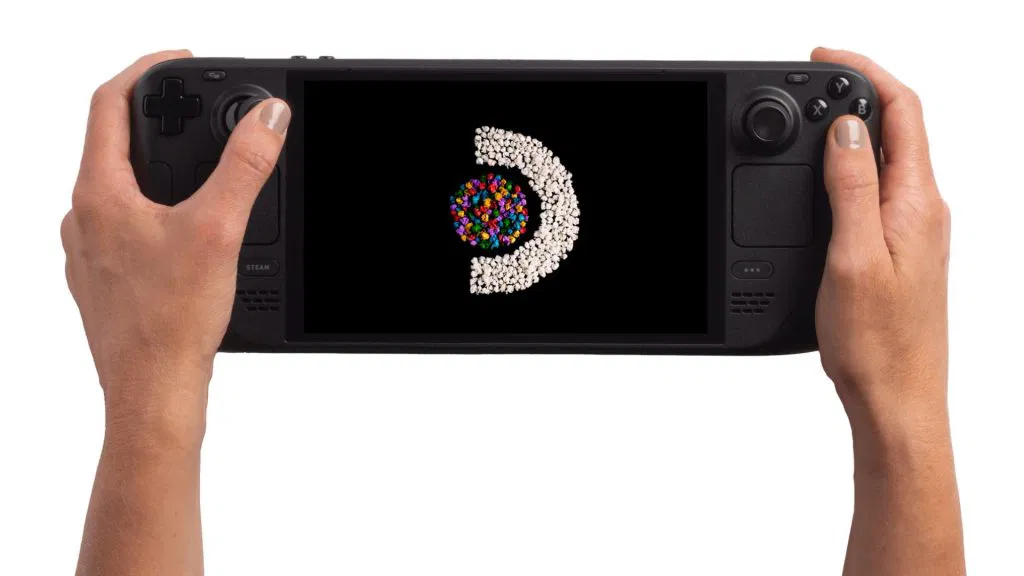
The uncomfortable observation
PR teams prefer the “component shortage” story because it’s easy to blame silicon and feel helpless. Distributors blaming logistics is blunter and more meaningful: it says the extra cost is from distribution economics, not a tech bottleneck Valve can’t fix. That matters because logistics and exchange-rate volatility are things publishers and distributors can absorb, negotiate around, or use as cover for margin protection — while consumers are left paying the difference region-by-region.
Also worth noting: reporting mismatches on exact figures (some outlets transcribed ¥84,000 instead of ¥84,800, for example) are likely clerical. KOMODO’s figures and GamingOnLinux/Famitsu reports line up enough to be taken as authoritative.
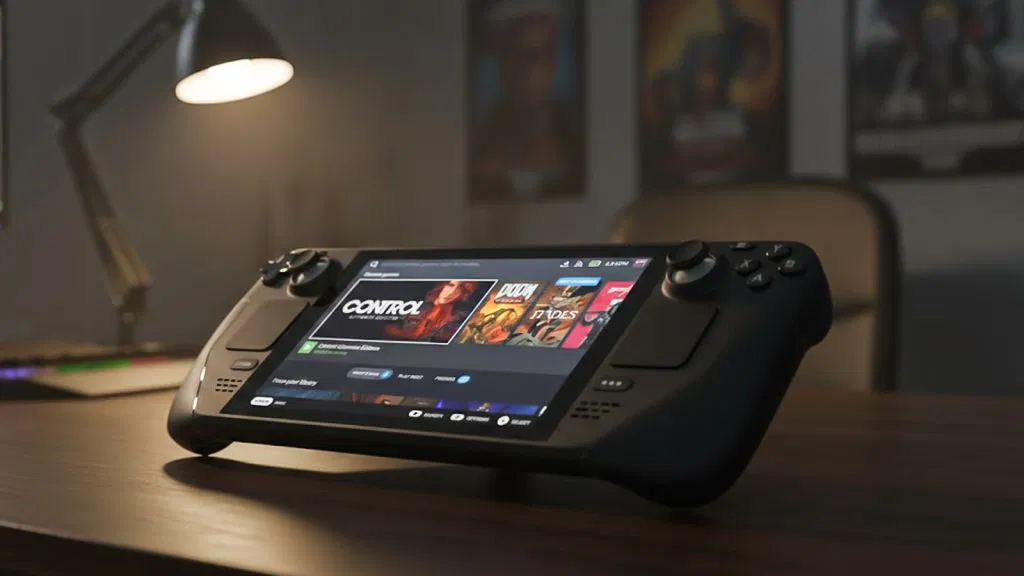
The question I’d ask KOMODO — and Valve
You can accept the logistics explanation, but it begs a follow-up: if memory-chip shortages aren’t driving these increases, why is Valve ending the 256GB LCD run and warning of intermittent OLED shipments? Is Valve exporting a tight-supply narrative that lets regional partners reprice? Or are distributors independently recalibrating prices because shipping and FX shocks actually made the original local MSRP untenable?
What to watch next (concrete, date-driven)
- March 6, 2026 — the new prices take effect in Japan, Korea and Taiwan. Look for restock notices and whether local retailers honour preorders at old prices.
- Valve statements after March 6 — any global price changes, production clarifications, or inventory reports from Valve in US/EU markets will tell us if this is a regional distributor move or company-wide repricing wave.
- Community forums in each market — Reddit, local Discords and Japanese/Taiwanese/Korean gaming boards will be the first place to spot anger, chargebacks, or retailers waiving increases for preorders.
- Memory-price trends in Q1 2026 — if DRAM/NAND prices fall, distributors’ logistics explanation becomes harder to defend as the sole cause of hikes.
Look for one clear signal: if Valve keeps global pricing steady while regional distributors push higher prices, this will be a distributors-versus-consumers story about margin management — not manufacturing limits.
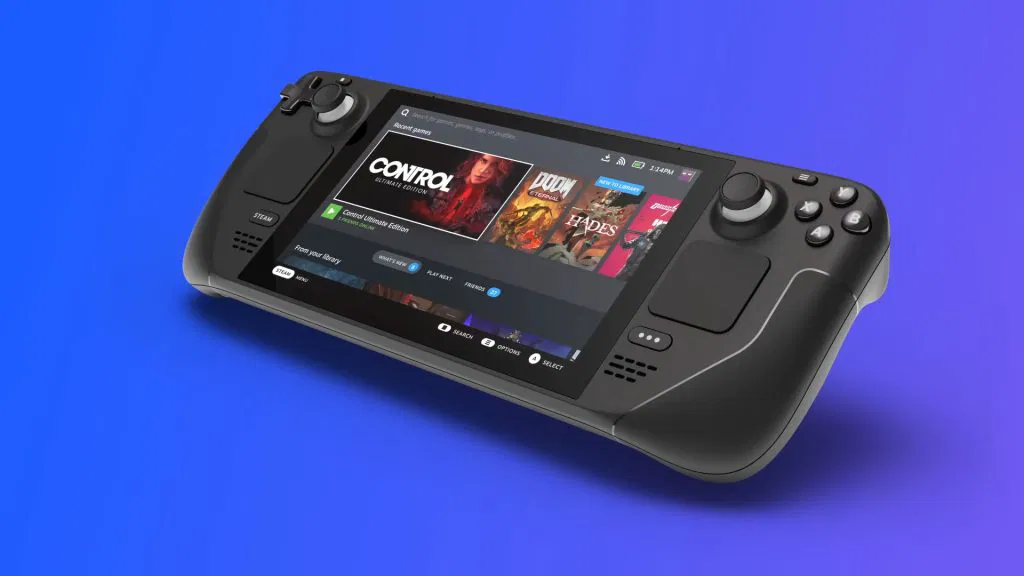
TL;DR
KOMODO raised Steam Deck OLED prices in Japan, Korea and Taiwan effective March 6, citing logistics and exchange-rate pressure rather than memory shortages. Valve acknowledged intermittent OLED availability and ended the 256GB LCD model but hasn’t justified regional price differences. Watch Valve’s post‑March 6 messaging and local community reaction — those will reveal whether this is temporary sticker shock or a longer trend in regional repricing.
FinalBoss // Gear
Level up your setup
01Graphics cardson Amazon→02Gaming laptopson Amazon→03High-refresh gaming monitorson Amazon→04Discounted game keyson Kinguin→Affiliate links · As an Amazon Associate, FinalBoss earns from qualifying purchases.
Want to Level Up Your Gaming?
Get access to exclusive strategies, hidden tips, and pro-level insights that we don't share publicly.
Ultimate Gaming Strategy Guide + Weekly Pro Tips