
Steam Next Fest didn’t invent creature-collecting survival games, but it did turn the lights on. Across dozens of demos this week, a clear pattern emerged: teams are borrowing Palworld’s core ingredients-tameable critters, base-building, and survival crafting-and each is trying a single twist to stand out. The result is a nascent subgenre that’s recognizably Palworld-shaped, and equally recognizably uneven.
Table of Contents (5)
Key takeaways
- Steam Next Fest exposed a cluster of Palworld-inspired demos that swap the setting or gimmick more than the underlying loop.
- Witchspire feels the most cohesive-magic as a gameplay glue—while Guardians of the Wild Sky sells the dream of airship bases.
- Oddfauna leans into charm and a walking “Terrabeast” as a structural twist; Layer Land promises AI-driven novelty but currently looks like an asset salad.
- The worrying pattern: lots of aesthetic variation, not a lot of proven design innovation. Polish and systems depth are still the deciding factors.
Why this matters right now
Palworld sold fast and loud. That commercial success inevitably attracts imitators: it’s the business of games. What’s different here is velocity. Steam Next Fest compressed discovery into a few days and revealed how many teams were already working on Palworld-adjacent ideas. When dozens of small studios show up with versions of the same recipe, it tells you the market is reacting in earnest—not just influencers trying to name a trend.
The demos actually doing something interesting
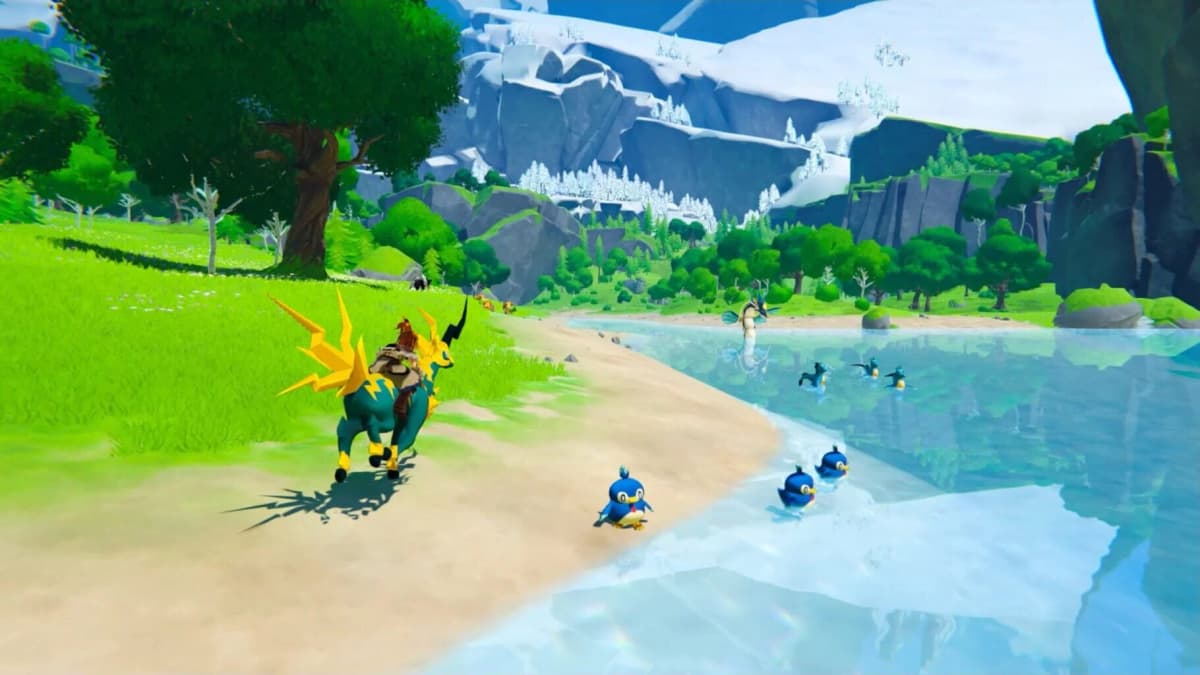
Witchspire is the standout because it treats magic as more than skin-deep. Conjuring structures, summoning familiars to farm or fight, and binding spirits ties the creature loop to the survival loop in a way that feels intentional rather than pasted on. It still needs polish, but design-wise it’s the cleanest riff on the Palworld formula I played.
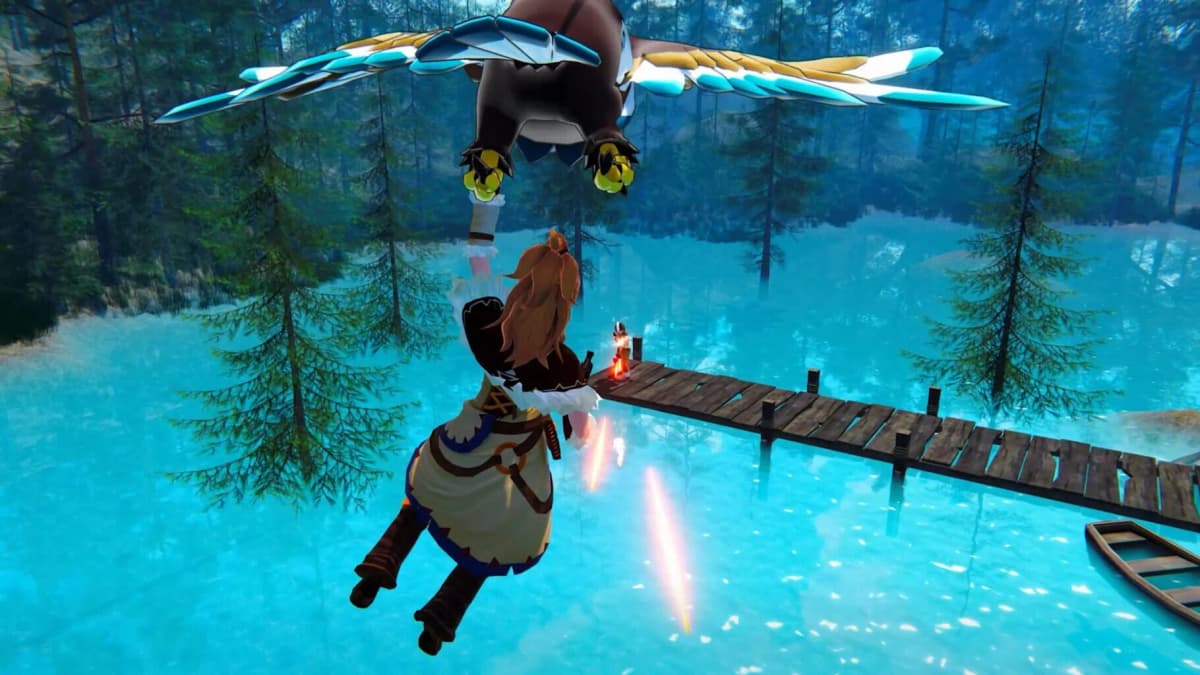
Guardians of the Wild Sky sells a different fantasy: everything is vertical. Airship bases let the game lean into aerial exploration and resource systems that live on moving platforms. It’s less conceptually ambitious than Witchspire, but the demo nailed the play-idea—and the reception so far shows players like the power fantasy.

Oddfauna: Secret of the Terrabeast is the prettiest curveball. Instead of an open map, you build on a living, wandering biome—a Terrabeast. It’s a charm-first approach: picturebook visuals and friendly goofy creatures. Whether that charm sustains the gameplay loop will be the test, but it’s a smart way to stand out without pretending to reinvent survival systems.
Then there’s Layer Land, which promises AI-driven creature generation and interaction but ships like a patchwork demo. The pitch is modern—let AI seed your wildlife—but the execution so far feels under-resourced. That’s the Next Fest reality: great ideas can’t hide poor tooling and rushed assets.
The uncomfortable observation
Most of these projects are one solid idea away from being fun long-term games. The uncomfortable truth is many teams are counting on a single twist—airships, witches, or a giant walking island—to carry the entire experience. That’s a high-risk bet. Players will forgive rough visuals if systems are deep and fair; they won’t forgive shallow loops dressed in new costumes.
If I were interviewing a PR rep for one of these demos I’d ask bluntly: how do you plan to monetize and pace creature collection? Will progression hinge on skill and time spent, or on gated mechanics and microtransactions that replicate the worst parts of survival-as-service?
What to watch next
- Witchspire: patch notes and a clear roadmap. If the devs fix early polish issues and show deeper creature systems, it becomes the one to watch.
- Guardians of the Wild Sky: ongoing user review trend on Steam. Steam demos that convert positive reviews into preorders tend to have sticky loop mechanics.
- Oddfauna: whether the picturebook vibe conceals meaningful survival systems or is purely aesthetic. Look for demo updates that add emergent interactions.
- Layer Land: community reaction to its AI claims. If players call it out for asset sprawl, publishers will pass; if it proves its tech, investors might suddenly show up.
- Steam-wide: watch for more demos using generative AI art. Developers (and even Palworld’s lead) have been vocal about AI art fatigue at Next Fest—disclosure and craft standards will matter to players.
Steam Next Fest didn’t just surface a bunch of Palworld knockoffs. It handed us a live gallery showing how fast a successful formula can fracture into different design experiments. Some demos felt like meaningful riffs; others were thin shells around a trending idea. The winners will be the teams that pair a clear twist with real system depth—and ship fewer promises and more playable mechanics.
TL;DR: Steam Next Fest made the Palworld-inspired subgenre visible: Witchspire, Guardians of the Wild Sky, Oddfauna, and Layer Land each try a distinct hook. Most are promising on paper; only a couple show the polish and systems to survive beyond hype. Watch for roadmap updates, demo patch notes, and how these devs plan to monetize progression.
FinalBoss // Gear
Level up your setup
01Graphics cardson Amazon→02Gaming laptopson Amazon→03High-refresh gaming monitorson Amazon→04Discounted game keyson Kinguin→Affiliate links · As an Amazon Associate, FinalBoss earns from qualifying purchases.
Want to Level Up Your Gaming?
Get access to exclusive strategies, hidden tips, and pro-level insights that we don't share publicly.
Ultimate Gaming Strategy Guide + Weekly Pro Tips