
Table of Contents (7)
Why Where Winds Meet blowing up on Steam actually matters
Where Winds Meet just exploded onto Steam’s charts – peaking at over 250,000 concurrent players – and for once the headline isn’t just “new multiplayer fad.” This free-to-play open-world Wuxia fighter from debut studio Everstone has the kind of scale and polish that makes you pay attention: deep swordplay, sprawling regions, and bosses that feel ripped from a FromSoftware fever dream. But before you boot it up, know this: the buzz comes with a heaping side of generative-AI NPCs and one of the more eyebrow-raising monetization stories I’ve seen in a while.
- This caught my attention because a first game from a small Chinese studio is reliably drawing millions of players and reshaping expectations for Western audiences about Wuxia games.
- It matters because the launch exposes how fast generative-AI is being stitched into live games – and how little we still understand about the consequences.
- It also matters because a game can be free-to-play and still feel extractive; Where Winds Meet shows both the creative and the commercial extremes of the modern F2P model.
Key takeaways
- Everstone’s debut is huge: global launch (Nov. 14) saw millions of players and top Steam/PlayStation chart placements.
- Gameplay is substantial and free — massive open-world Wuxia vibes with RPG, action-adventure and MMO threads.
- Generative-AI powers large swaths of NPC dialogue and voice — cool for scale, problematic when it acts weird.
- Monetization is extreme: cosmetics, battle passes and reports of an astronomical skin price highlight a risky F2P strategy.
Breaking down the hype: what the game actually is
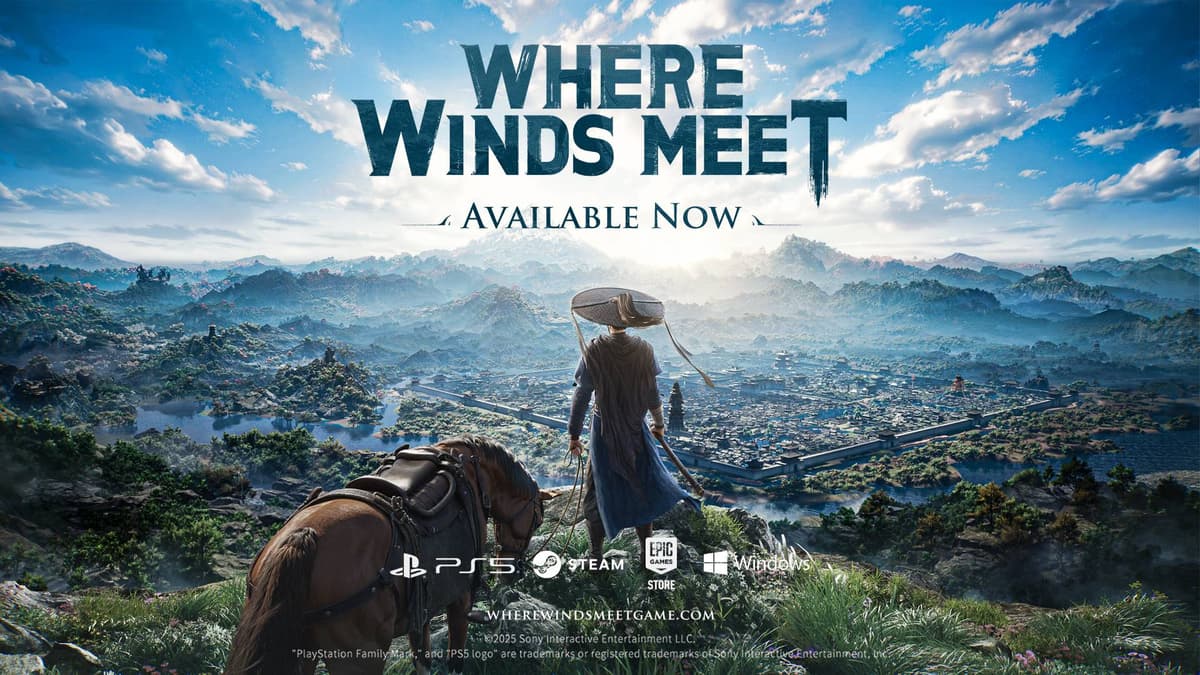
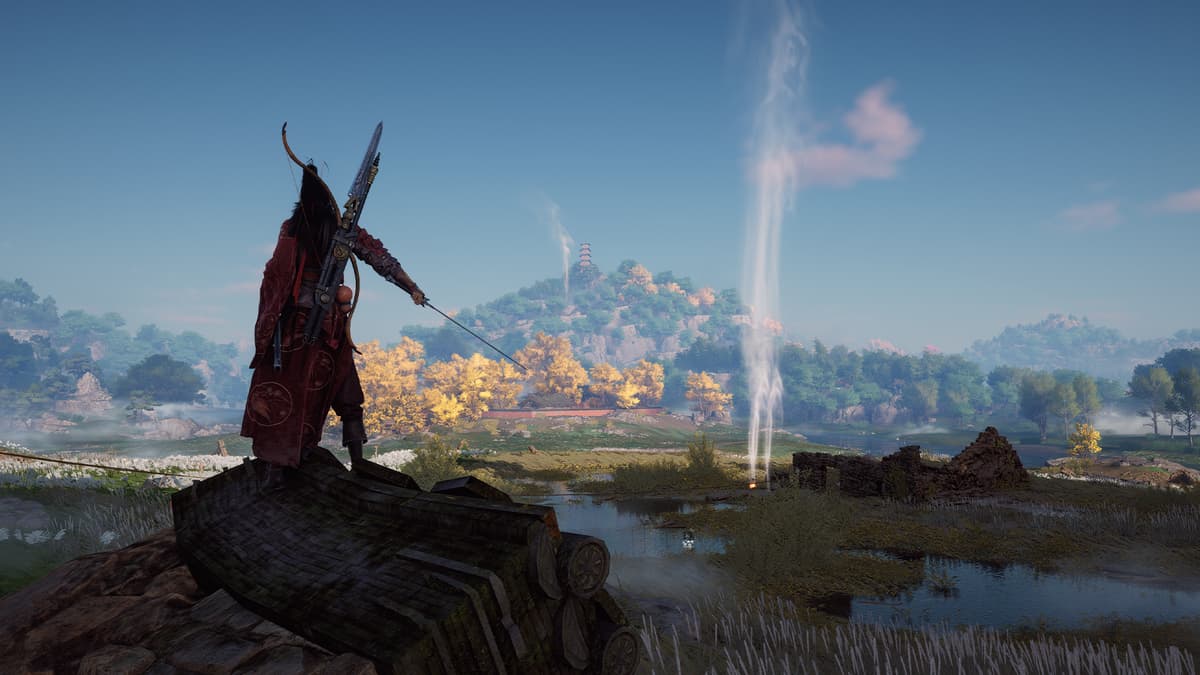
Where Winds Meet is nominally free and, in practice, enormous. The game launched earlier in China (Dec 2024) and went global Nov. 14 on PC and PS5 (mobile ports due Dec. 31). Its blend of tight melee combos, mystical Tai Chi-style moves, and open-world exploration gives it broad appeal: solo players get sprawling regions (Kaifeng and Qinghe already feel packed), while groups can tackle raid-scale bosses and extraction-style objectives. SteamDB numbers show a 24-hour peak north of 251,000 concurrent players — that’s not a flash in the pan.
AI NPCs: clever scaling or a disaster waiting to happen?
Everstone leaned hard into generative AI to populate NPC dialogue and voices. From a development standpoint, that’s understandable: dynamic NPCs can make massive worlds feel lived-in without hiring thousands of voice actors. From a player standpoint, things get messy fast. Reports of chatbots producing bizarre or emotionally manipulative responses — including one Reddit anecdote where an NPC was convinced it was pregnant — expose how brittle these systems can be. AI can add personality, but it can also produce unpredictable, easily exploitable behavior. That’s an ethical and moderation problem, not just a technical one.
Monetization that deserves scrutiny
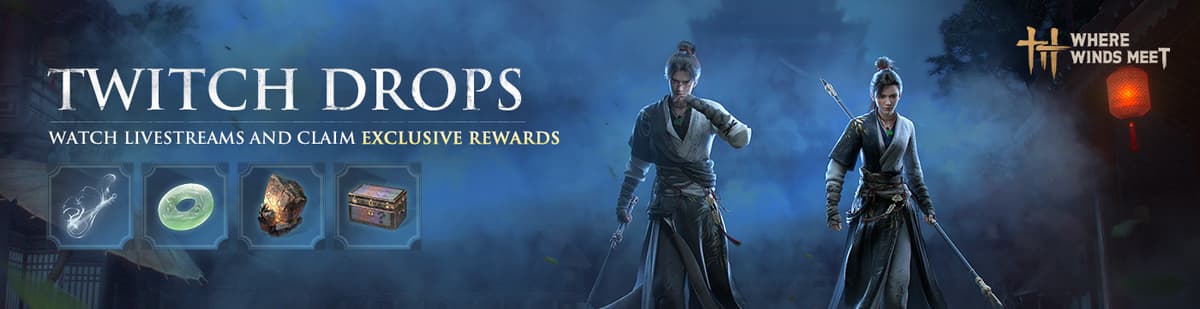
Gameplay content — main quests, bosses, minigames — is free, and that’s genuinely impressive. But Everstone’s monetization is straight out of the aggressive mobile playbook: premium currency, a purchasable battle pass, and cosmetic items aplenty. The worrying detail that keeps surfacing is a supposedly astronomical cosmetic price (Dexerto reported a skin with a price point in the tens of thousands of dollars). Whether that listing is a bug, a joke, or an intentional ultra-rare status symbol, it signals a willingness to push rarity and price far beyond normal expectations. Free-to-play should mean optional extras, not emotional manipulation via scarcity and social signaling.
What this means for players — and the industry
For players, Where Winds Meet is a wild bargain on the face of it: vast, high-skill combat and a story steeped in ancient Chinese lore that many Western players haven’t experienced in this way. It’s a cultural export with teeth. But the launch is also a case study in the growing pains of modern live services: rushed AI systems, questionable monetization, and the gamble that initial hype will convert into long-term players instead of immediate backlash.
Why now? The timing isn’t accidental. Post-pandemic pipelines and advances in generative tools let small teams ship content at scale. Western players are hungry for non-Western narratives and combat systems that reward mechanical skill. Everstone is riding both trends — and the consequences will shape how quickly other studios adopt similar AI models and monetization strategies.
TL;DR
Where Winds Meet is a surprisingly deep, free Wuxia action-RPG that’s earning millions of players and deserved attention. But its heavy use of generative-AI NPCs and eye-popping monetization choices make it as controversial as it is compelling. Play it for the combat and world — keep a skeptical eye on the chatbots and your wallet.
FinalBoss // Gear
Level up your setup
01Graphics cardson Amazon→02Gaming laptopson Amazon→03High-refresh gaming monitorson Amazon→04Discounted game keyson Kinguin→Affiliate links · As an Amazon Associate, FinalBoss earns from qualifying purchases.
Want to Level Up Your Gaming?
Get access to exclusive strategies, hidden tips, and pro-level insights that we don't share publicly.
Ultimate Gaming Strategy Guide + Weekly Pro Tips