

Steam’s Wishlist Email Bug Nuked a Decade of Work on Planet Centauri
Game intel
Planet Centauri
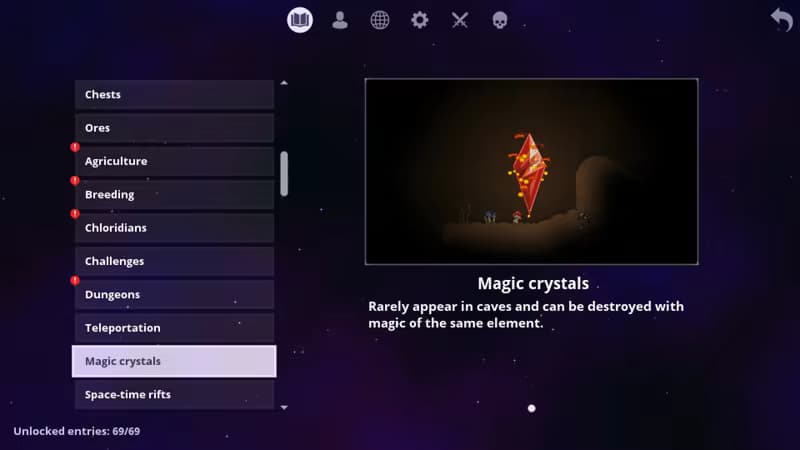
Embark on your greatest adventure to Planet Centauri! Explore hidden dungeons, capture and tame monsters, build and protect a NPC community, craft your own wea…
The Indie Nightmare You Can’t QA For
Planet Centauri should’ve celebrated a victory lap. After launching in Early Access back in 2016, building a dedicated community, crossing 100,000 sales and racking up around 140,000 wishlists, the 1.0 release was supposed to be the moment everything finally clicked. Instead, the game sold just 581 copies in five days. Why? Valve says a rare Steam bug prevented wishlist release notifications from going out. If you follow Steam discoverability even a little, you know that’s a death sentence for an indie launch.
Key Takeaways
- A “rare” Steam bug reportedly blocked release emails to 140k+ wishlisters-killing Planet Centauri’s critical launch spike.
- Wishlist notifications aren’t fluff; they’re the engine that drives day-one conversion, reviews, and algorithmic visibility.
- The result-581 sales in five days-doesn’t align with normal conversion math, even for a niche title.
- Valve owes transparency and remediation; devs need contingency plans that don’t rely on a single platform’s black box.
Breaking Down What Happened
This story caught my attention because I’ve watched countless indie launches live or die on Steam’s notification pipeline. The devs put in the years: updates, community building, showing up in wishlists during sales and festivals. The whole playbook. On launch day, Steam normally emails or notifies your wishlisters—those are your hottest leads. Conversions there fuel “New & Trending,” surface on friend activity, and kick off a virtuous cycle. No notifications means you start the race with your shoelaces tied.
Here, the studio reported 140k wishlists going into 1.0. Even conservative math would expect a minimum of 1-3% of those to convert around launch if emails fire properly and there’s a launch discount. That’s 1,400 to 4,200 sales day one, not 581 across five days. When Valve later signaled it was a rare bug that blocked sending those notices, the numbers suddenly made grim sense.
Why This Matters Beyond One Game
Steam is the oxygen for most PC indies. Over the last few years, developers have optimized everything around wishlists: festival participation to grow them, pricing and timing to activate them, and launch planning that assumes Steam will do its one essential job—tell those people your game is out. When the pipeline fails, it’s not just fewer sales. It’s a cascading collapse: fewer purchases, fewer reviews, less algorithmic placement, and less social proof. You don’t just miss day one—you miss the window where Steam decides if you’re a winner or a footnote.
I’ve seen plenty of “bad launch” autopsies blame everything from thumbnails to pricing to genre fatigue. Those can be real. But when a title with years of momentum and six-figure wishlists barely cracks 600 units in five days, that’s not normal volatility—that’s a system failure.
Could Something Else Explain the Flop?
Let’s stress test that skepticism. Yes, Planet Centauri sits in the crowded 2D sandbox space alongside Terraria and Starbound. Yes, a long Early Access run can deflate some “new release” hype when many core fans already own the game. And sure, if your launch trailer misses or your price is misaligned with expectations, you can stumble.
But even if you take a hyper-cautious 0.5% wishlist conversion over the first few days, 140k wishlists should still dwarf 581 sales. The scale of the miss only really computes if the largest engagement lever—notifications—never pulled. That aligns with Valve’s “rare bug” explanation and with how Steam’s front-page momentum works in 2025.
Want to Level Up Your Gaming?
Get access to exclusive strategies, hidden tips, and pro-level insights that we don't share publicly.
Ultimate Gaming Strategy Guide + Weekly Pro Tips
What Valve Should Do Now
- Transparent postmortem: Detail what broke, how many games were affected, and how this was verified. Vague “rare bug” language doesn’t rebuild trust.
- Make-good visibility: Front-page featuring, multiple re-send waves to impacted wishlisters, and highlighted placement during the next major sale.
- Developer controls: Let devs preview and schedule notification sends, plus trigger a one-time resend if a verified outage hits.
- Status page and alerts: A public Steamworks status dashboard and real-time alerts so studios can adjust plans when systems wobble.
- Data access: Granular notification delivery stats (sent, opened, clicked) so teams can diagnose issues fast.
If Valve wants developers to keep investing years into Steam-first strategies, it has to treat these incidents like the platform-level outages they are, not curiosities.
What Developers and Players Can Do, Practically
It shouldn’t be on creators to backstop a platform, but here we are. If you’re a dev, build redundancies: own your audience with a newsletter, Discord, and social channels; collect opt-ins early; and plan a multi-channel launch day blast that doesn’t hinge entirely on Steam’s inbox. Stage a rolling cadence—demo, “Release Soon” event, creator keys—so you have multiple bite points beyond one email wave. Consider multi-store launches and set realistic expectations for conversion if you’ve been in Early Access for years.
Players: if you’ve wishlisted a game you genuinely care about, hit “Follow,” join the Discord, or sign up for the studio’s newsletter. Steam is convenient, but it’s not infallible. And if you were waiting on Planet Centauri’s 1.0 and missed it, now’s the time to check in, leave a fair review if you’ve played it, and help the algorithm notice what a broken notification stream didn’t.
The Gamer’s Perspective
I’m not here to torch Steam; the platform gets a lot right and still delivers the lion’s share of PC gaming’s wins. But when a bug wipes out the most important moment in an indie’s lifecycle, “rare” isn’t an excuse—it’s a wake-up call. Planet Centauri’s team did the hard part: they built a game, nurtured a community, and made it to 1.0. The platform’s job was to ring the bell. It didn’t. Now it’s on Valve to make this right and on all of us to remember that platform risk is very real, even when everything else goes to plan.
TL;DR
Planet Centauri’s 1.0 launch faceplanted after a rare Steam bug blocked wishlist notifications, turning years of groundwork into a near-silent release. Valve needs transparency and meaningful remediation; devs need backup comms channels; players can help by following beyond the wishlist and showing up when launches slip through the cracks.