
Steel Artery puts RimWorld on rails — a steampunk city builder with a rolling twist
Game intel
Steel Artery
Build a living city on rails in this steampunk fantasy train-city builder. Manage multiracial colonies with thousands of autonomous citizens, balance their nee…
A rolling RimWorld? Steel Artery’s bold pitch grabbed me immediately
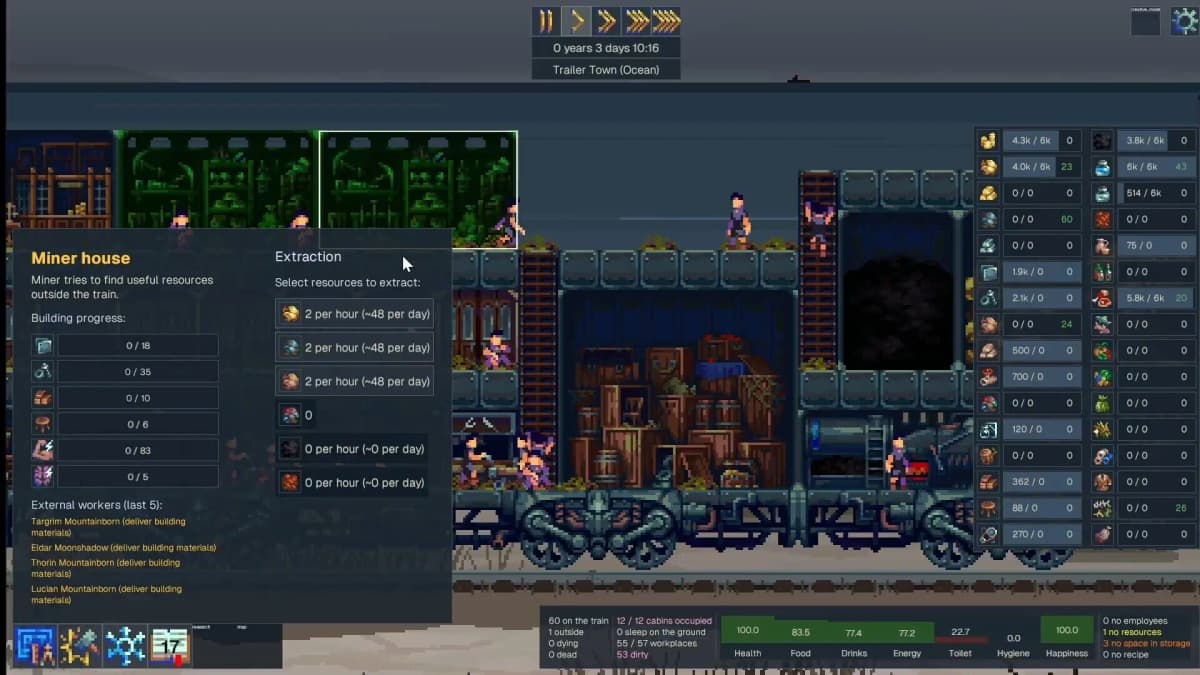
City builders are having a moment, and I’m here for it. But Steel Artery, from developer SoulAge23 and publisher Crytivo, stands out because it doesn’t just nudge the genre – it bolts the whole settlement onto a colossal train and tells you to manage a civilization while you’re barreling down the tracks. Think RimWorld or Oxygen Not Included’s systemic chaos, remixed with a resource-driven travel loop, wrapped in vibrant pixel art. That premise alone is catnip for anyone who’s sunk late nights into emergent colony sims and wants something fresh without ditching the genre’s crunchy decision-making.
Key takeaways
- A colony sim on rails: your city lives aboard “Steelpolis,” a giant train you steer between resource-rich stops.
- Hands-off citizens: workers act on needs and desires, Majesty/Dwarf Fortress-style – you provide incentives, not orders.
- Multiple species politics: humans, elves, orcs and more, with synergy and friction shaping your economy and stability.
- On-board economy: salaries, spending, production chains – everything feeds a closed-loop system constrained by limited space.
- Ambition watch: emergent AI, diverse factions, and travel systems are hard to balance — scope creep is the real boss fight.
- Published by Crytivo, planned for late 2025; you can wishlist it on Steam now.
Breaking down the promise: a train-city where space and time are resources
The hook is clean: Steelpolis is your moving metropolis, originally a flex of imperial power that’s now being repurposed as a last-hope ark. You expand car by car, juggling housing, industry, and amenities while the whole thing rattles across the world. Space is a hard cap here — every tile on a carriage matters — which forces those delicious trade-offs colony sim fans love: do you add another foundry, or reserve room for an inn that keeps morale stable?
The travel layer adds new tension. You’re not digging forever in one spot; you’re choosing when to stop for coal, food, or rare materials, then rolling on before you bleed the area dry or run into trouble. That alone could be the differentiator over more static peers. If the world map offers meaningful routing choices — risky shortcuts, faction territories, seasonal hazards — Steel Artery could scratch the same itch that keeps Against the Storm and The Wandering Village compelling: movement as a strategic resource.
Emergent workers and multi-species politics — exciting, if the AI holds up
SoulAge23 says citizens won’t take direct orders. Instead, their needs, wants, and incentives drive behavior. That’s closer to Dwarf Fortress or Majesty’s “post a bounty and pray” model than RimWorld’s micro-heavy task lists. Done right, it produces stories: an orc foreman refusing a double shift, an elf botanist retiring early after you indulge them too much, a human engineer opening a diner that stabilizes the night shift morale. Done wrong, it’s watching pawns idle while your smelter starves.
The species angle adds spice. Humans, elves, orcs — each with distinct histories, strengths, and cultural friction. If the bonuses feel unique (say, orc labor efficiency versus higher comfort demands; elf agriculture with diplomatic quirks) and the tensions are more than flavor text, you get meaningful playstyles. I also like the option to run a mono-faction city for a themed challenge — that’s a smart nod to replayability beyond just seed randomization.
The economy loop could be the star — or a spreadsheet chore
Every building consumes and produces, citizens draw salaries, then spend them at your onboard shops. That money circulates through the train, tying worker happiness directly to your industrial planning. This is where the “city on rails” premise sings: in a closed ecosystem with tight spatial limits, inefficiencies have bite. If inns, diners, and entertainment sit at the same table as workshops and foundries, you’ll be constantly balancing throughput and morale under real constraints — not just plopping another district because you found a flat field.
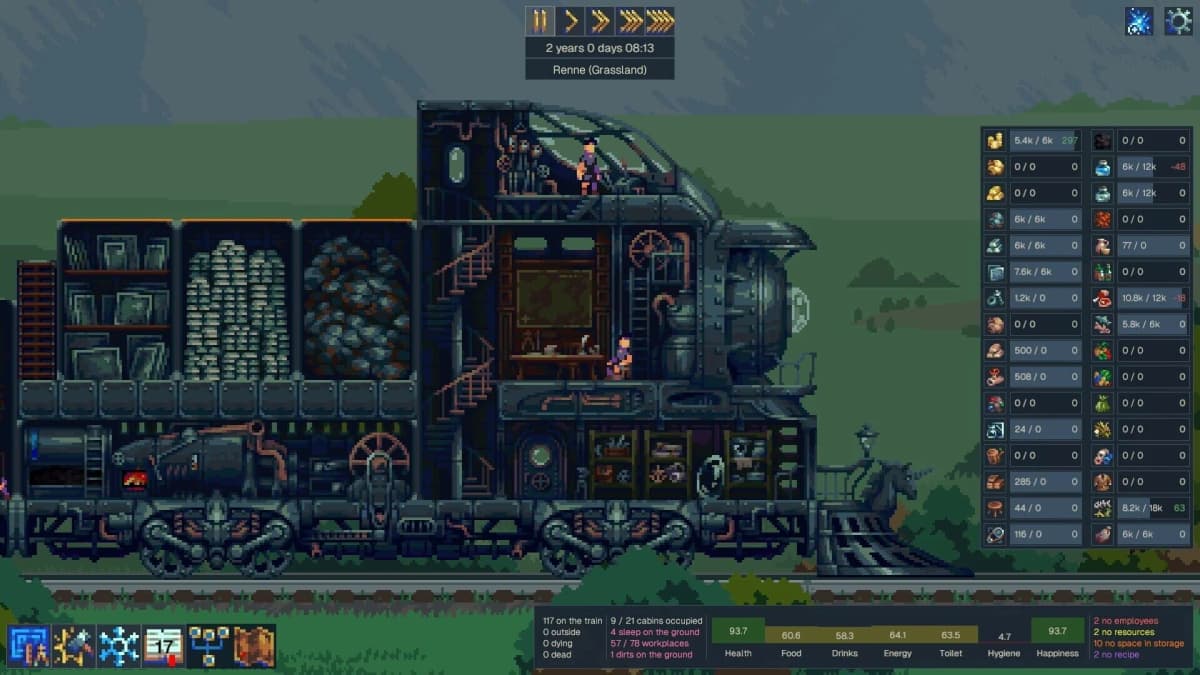
But let’s be real: UI and feedback will make or break this. Complex sims drown without clear dashboards, alerts, and filters. Ixion nailed the vibe of a moving city but fought backlash over opaque systems and harsh spirals. Steel Artery needs to show why a worker is unhappy, where a bottleneck is forming, and how a route decision ripples through salaries and supply — without forcing us to alt-tab into spreadsheets.
Want to Level Up Your Gaming?
Get access to exclusive strategies, hidden tips, and pro-level insights that we don't share publicly.
Ultimate Gaming Strategy Guide + Weekly Pro Tips
Context and cautions: we’ve seen the moving-city trend rise — execution matters
There’s a lineage here: Airborne Kingdom floated a city across deserts; The Wandering Village strapped yours to a colossal creature; Ixion sent it into space. Steel Artery’s train frame is a natural evolution with a grounded industrial vibe, and Crytivo’s catalog suggests a taste for smart, systems-driven sims. Still, this is a big swing for a small studio. Emergent AI, factional diplomacy, travel events, and a full economy in one package is the kind of scope that punishes even veteran teams.
Questions I want answered before I punch a ticket: Is there raiding, bandit ambushes, or environmental damage to the train? How deep is routing — can I choose tracks, manage fuel types, or gamble on storms for rare rewards? Will there be mod support, because the RimWorld crowd will absolutely show up if they can tinker? And how punishing is failure? A rolling roguelite meta could be brilliant, but wipe-heavy design needs careful onboarding.
Why this could be special for colony sim fans
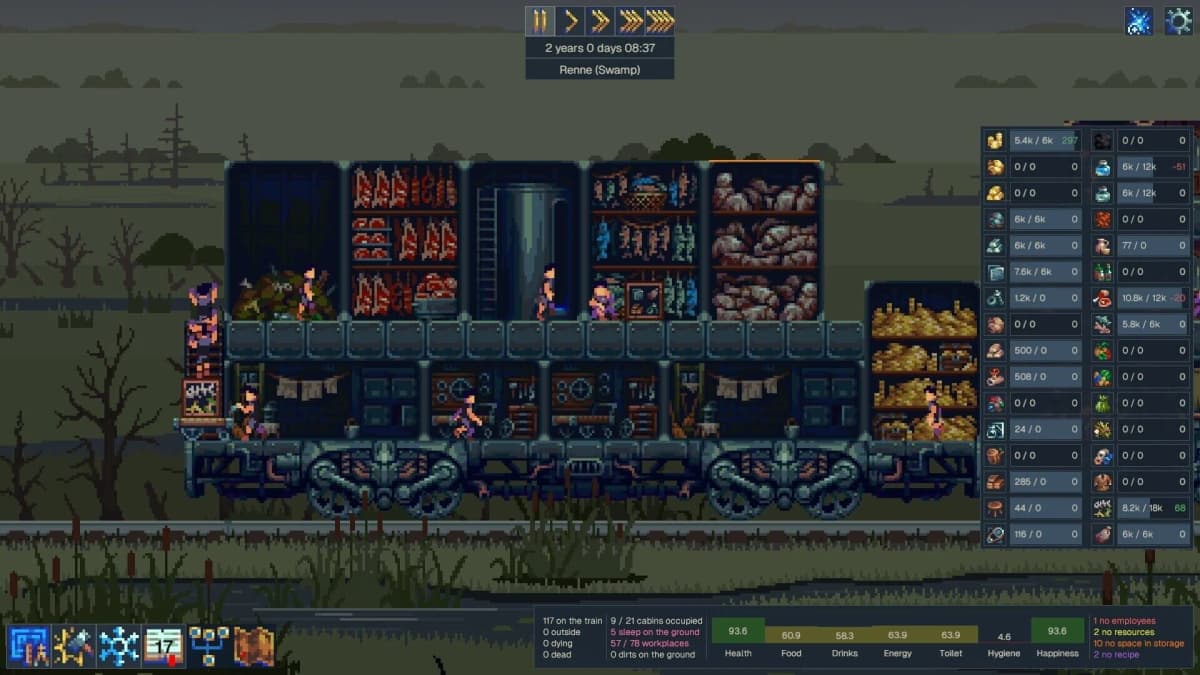
The pitch marries the best parts of the genre — emergent drama, tough resource math, and base layout puzzles — with a travel loop that forces fresh decisions. The pixel art looks inviting, and the “incentives over orders” philosophy can produce stories you actually tell your friends about. If Steel Artery lands its systems with readable UI and meaningful world choices, it could be the next great “one more cycle” time sink. It’s slated for late 2025; I’ll be watching for playtests and a real look at the travel map and AI behavior before I crown it the next big sim.
TL;DR
Steel Artery straps a full colony sim to a massive steampunk train and asks you to manage people, politics, and production while you’re in motion. The concept rules; the challenge will be AI clarity, UI readability, and making the travel layer matter. Cautiously optimistic — this one’s on my 2025 radar.