
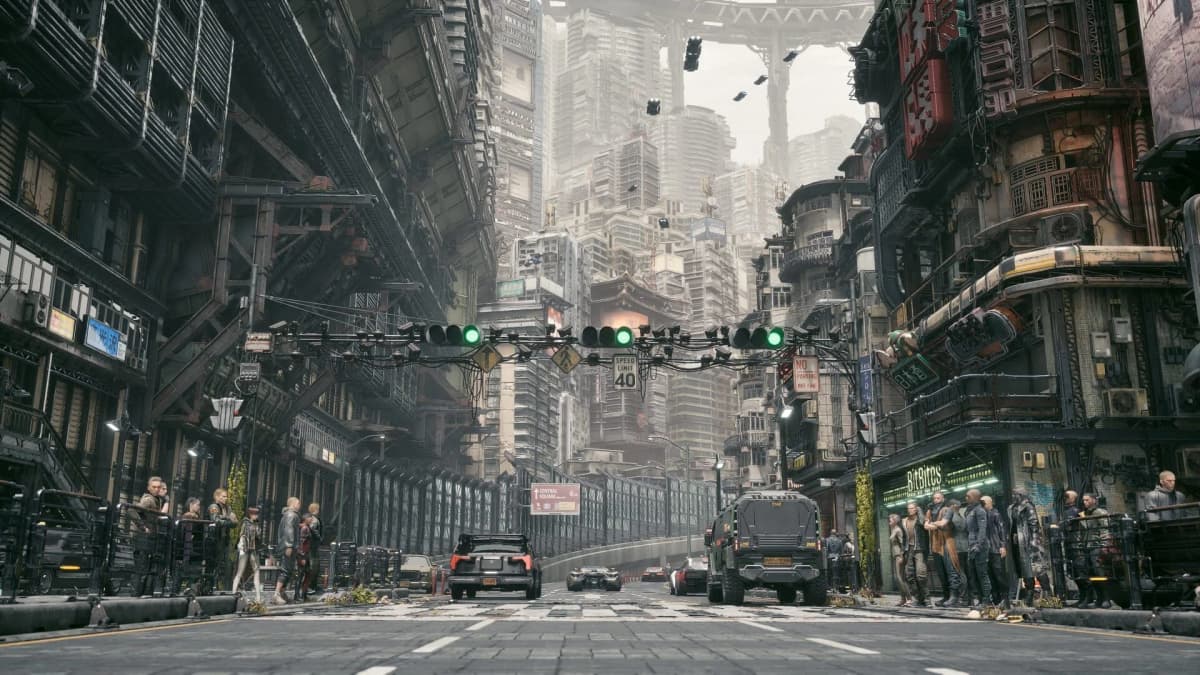
The disclosure was there. The trust was not.
Shift Up attached an AI-related disclosure to the July 31 “Wanna Be in Love” music video for Stellar Blade: Blood Rain, while YouTube reportedly labeled the footage as containing sounds or visuals that were altered or fully generated. That level of disclosure is better than quietly slipping synthetic material into a campaign and hoping nobody notices. I will give Shift Up that much.
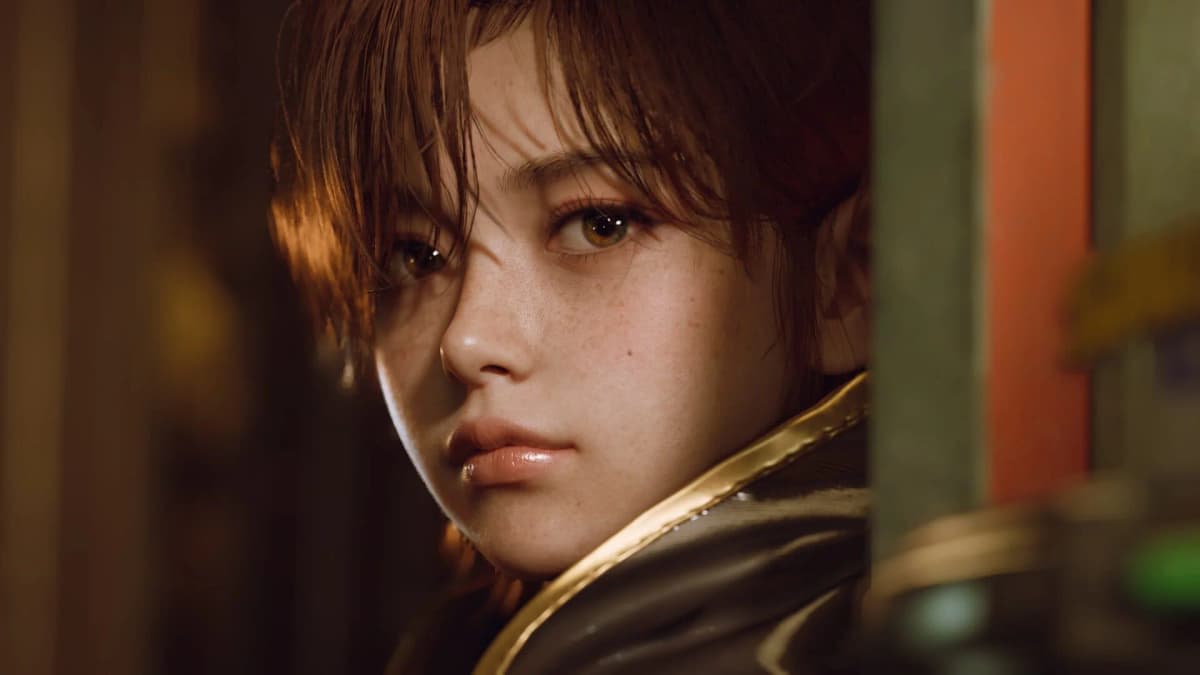
Then CEO Kim Hyung-tae answered the backlash by stressing that Evie was created “from head to toe” by the studio’s artists and modelers over more than a year, with AI used to render and present work that humans had already made. That may be true. It also answers a much narrower question than the one players are asking.
The argument was never limited to whether an AI tool invented Evie from a blank screen. The argument is about Shift Up choosing to use generative AI for a public-facing piece of Stellar Blade: Blood Rain marketing, then presenting a result that viewers read as warped, uncanny, visually inconsistent, and cheap. A studio can credit the human being who made the character model all day. Fans still have every right to look at the finished music video and decide it feels like a shortcut over the people who should have been trusted to make it.
Table of Contents (5)
Evie’s model is only one part of the creative work
This is where Shift Up’s defense loses me. A character model matters, obviously. It takes skilled artists, technical artists, modelers, riggers, texture work, iteration, approvals, and plenty of patience to create a character who can carry a game’s identity. Evie did not emerge from a prompt, and pretending otherwise would be dishonest.
But a promotional music video involves far more than the base character. Somebody has to decide the emotional tone, frame the shots, establish the rhythm, direct performance, plan transitions, synchronize the animation, clean up ugly details, shape the lighting, and make sure the final piece feels coherent. Those are creative decisions. Those are jobs. Those are the stages that turn a recognizable game character into a piece of marketing people want to watch twice instead of mock once and close.
Generative AI can flatten those decisions into a black box. A team may still provide source assets, direction, and cleanup, but the visible result can carry the unmistakable feeling that nobody owned the choices from start to finish. That feeling matters because the audience does not experience the workflow chart. We experience the video Shift Up chose to upload under its own name.
Calling the backlash “anti-AI” and moving on would be a convenient way to avoid that problem. It would also be bullshit. People are reacting to a specific piece of marketing that looks, to them, like a company took a character built through deliberate human labor and ran her through a process that made that labor feel disposable.
“AI-assisted” is disclosure, not accountability
Shift Up’s disclosure establishes one important fact: the company did use AI in connection with the video. It does not establish the scope of that use. “AI-assisted” can describe anything from modest editing support to generated scenes, synthetic vocals, altered performances, composited imagery, or a workflow where the human contribution becomes impossible to separate from the machine output.
That ambiguity is why the defense reads like PR rather than reassurance. If the studio wants players to understand the difference between human-made character work and AI-rendered presentation, it needs to show the difference with actual specifics. A vague label does not tell anyone whether the tool polished a few rough edges or did the expressive heavy lifting that an animation and video team would normally own.
For a studio that wants its audience to value its art direction, the standard should be much higher than a platform tag and a statement about the origin of one character. Shift Up should provide a clear production breakdown for any AI-assisted promotional material:
- Which visuals, audio elements, animations, edits, or effects were generated or materially altered with AI tools.
- Which artists, animators, editors, musicians, and outside vendors worked on the piece, along with meaningful credit for their roles.
- Whether anyone’s work was adapted through AI systems without direct consent, and whether contributors were compensated for that use.
- How much human review, revision, cleanup, and creative direction shaped the final release.
That is the baseline for rebuilding credibility. Fans do not need a corporate lecture about how sophisticated the pipeline is. They need enough information to judge whether Shift Up supported its artists or used them as raw material for a process designed to remove their fingerprints from the work.
The video’s quality made the ethical problem impossible to ignore
If “Wanna Be in Love” had looked polished, expressive, and tightly directed, this controversy would still deserve scrutiny. The labor question would remain. The consent question would remain. The disclosure would still be too fuzzy to settle anyone’s concerns.
Instead, the complaints focused on the finished product’s strange visual details, unstable imagery, uncanny expressions, awkward continuity, and the overall sense that the audio and visuals had been pushed through automated systems without enough human control. That is why “AI slop” caught on as the label. It is a harsh phrase, but it describes a real reaction: viewers felt they were being asked to accept a lower bar because the character was familiar and the brand was strong.
A music video is supposed to sell atmosphere. It should make a new character feel more alive, sharpen the world’s mood, and leave a memorable impression of what Stellar Blade: Blood Rain wants to be. This one became an argument about glitches, artificiality, and whether Shift Up had bothered to protect the quality associated with its own name. That is a catastrophic trade for a promotional campaign.
Every studio makes a statement with the material it places in front of players before launch. Shift Up chose to make a heavily AI-associated video part of its pitch for Blood Rain. The studio cannot then act surprised when players interpret that choice as a preview of its priorities.
Fans should avoid the weakest accusations — and keep the strongest one
There is no need to claim that Shift Up stole third-party art for this specific video. There is no basis here to declare that the finished game will be filled with AI-generated assets. There is also no proof that Kim Hyung-tae lied when he said human artists created Evie.
Those accusations reach beyond what this controversy needs in order to matter. They also give Shift Up an easy escape route: deny the largest claim, congratulate itself for denying it, and pretend every smaller concern disappeared along with it.
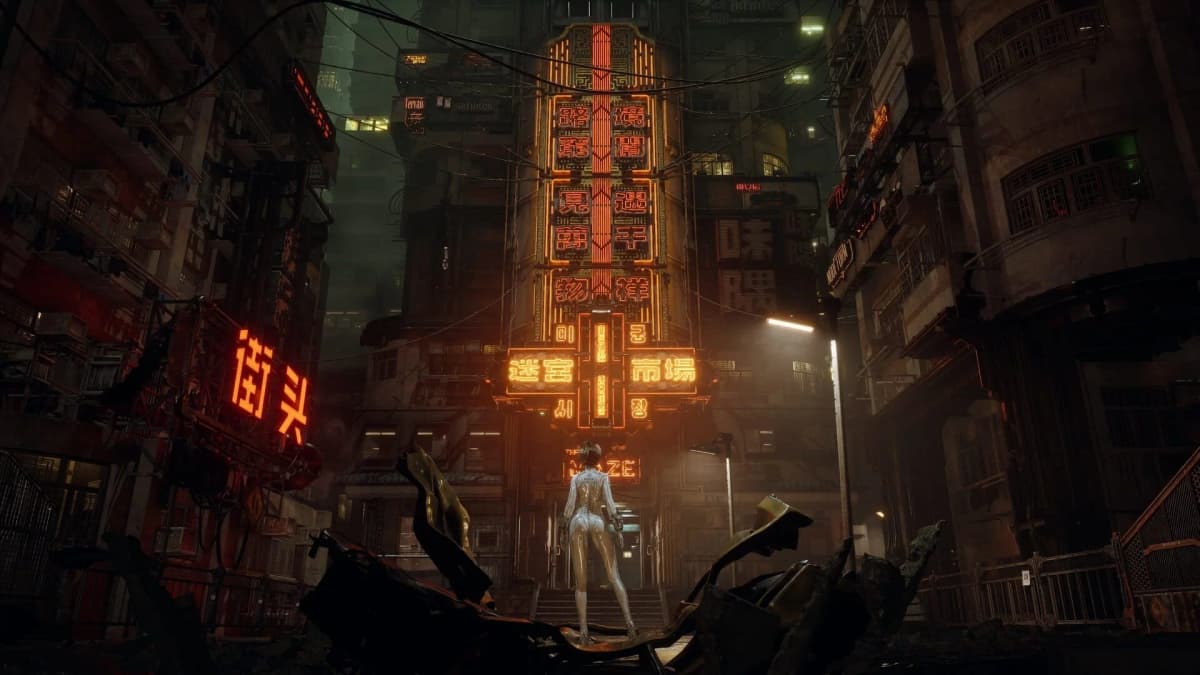
The stronger criticism is harder to dodge. Shift Up used generative AI in a major promotional video. The resulting work made a sizable part of its audience feel that the studio had weakened the value of human creative labor. Its leadership responded by defending the provenance of Evie’s character model while leaving the actual production balance, contributor protections, and degree of generated output unclear.
That is enough to justify the anger. A company does not need to commit theft before fans can reasonably conclude that it has made a creatively hollow decision. Players are allowed to care about where the polish went. They are allowed to care whether skilled artists were given the time and authority to finish their own work. They are allowed to reject a marketing asset that feels assembled instead of authored.
Shift Up’s broader AI posture makes a one-video defense less convincing
The concern also did not appear in a vacuum. Earlier in 2026, Kim argued that AI was necessary for Shift Up to remain competitive. That broader posture turns the music video from an isolated aesthetic mistake into a test case for what the studio intends to normalize.
There is a version of AI use that assists artists without replacing their judgment: tedious cleanup, technical support, accessibility work, asset management, and other narrow tasks where a human team retains control over the creative result. A studio can use tools without surrendering its taste.
But public-facing generative content raises a different standard. Once a company uses AI to create the emotional surface of its marketing — the face, voice, movement, atmosphere, and spectacle that sell the game — it has to prove that human creators remain more than inputs. Shift Up has not met that standard with “Wanna Be in Love.”
FinalBoss // Gear
Level up your setup
01Top-rated gaming headsetson Amazon→02High-refresh gaming monitorson Amazon→03Gaming chairson Amazon→04Discounted game keyson Kinguin→Affiliate links · As an Amazon Associate, FinalBoss earns from qualifying purchases.
Want to Level Up Your Gaming?
Get access to exclusive strategies, hidden tips, and pro-level insights that we don't share publicly.
Ultimate Gaming Strategy Guide + Weekly Pro Tips