
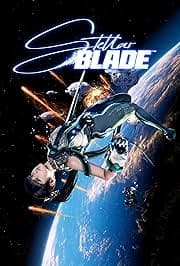
Stellar Blade Sequel Confirmed: Bigger World, Bolder Choices, and the Platform Question
Game intel
Stellar Blade
Edition includes: • Stellar Blade • Planet Diving Suit (Captain) for EVE • Fluffy Bear Pack for the Drone Bonus content: • Stargazer Suit for EVE • Half-rim G…
This Sequel Announcement Actually Matters
Stellar Blade has been a lightning rod since day one-partly for its over-the-top, platinum-style action, partly for the discourse around protagonist Eve’s design. But while the internet argued, players showed up. With PS5 momentum and a PC release pushing the game past 3 million copies, Shift Up has now confirmed what most of us expected: a sequel is in active development. That caught my attention because the studio isn’t just teasing “more,” they’re positioning Stellar Blade as a long-term franchise-and that has real implications for where and how we play it next.
Key Takeaways
- Shift Up confirms a Stellar Blade sequel with a larger world and improved gameplay.
- PC release turbocharged sales momentum, especially in markets that lean PC-first.
- Rumors point to a Switch 2 port for the original-raising big questions about optimization.
- Sequel timing looks more like a 2027 window than “soon,” given scope and tech ambitions.
Breaking Down the Announcement (and What’s Marketing)
In a financial report, Shift Up put it plainly: “We are actively pursuing the franchise development of the ‘Stellar Blade’ IP and are currently developing a sequel to ‘Stellar Blade’. This sequel will retain the original’s spectacle while offering a larger world and improved gameplay, solidifying it as a franchise. We expect this game to achieve even greater success than the original.” That’s the official promise; the translation is the standard sequel pitch—bigger, better, more confident.
What does “expanded worldview” actually mean for players? The first game was a tight, zone-based action adventure with pockets of exploration—more Nier: Automata than fully open-world. Expanding the scope could mean broader hub areas, denser side content, and more optional endgame challenges. It could also mean systems-level growth: deeper gear builds, enemy variety that forces style-switching, and quality-of-life improvements that address pain points from the first release.
The Platform Story: From PS5 Exclusive to Everywhere?
Here’s the part that matters most for your wallet. The PS5 launch gave Stellar Blade a strong identity, but the PC version supercharged sales—reportedly outpacing the PS5 launch dramatically, which tracks with how action titles can pop on Steam and in PC-first regions like China. The question is whether Shift Up goes day-one multi-platform for the sequel. The studio owns the IP, which gives them flexibility, but publishing partnerships (and money hats) complicate things.
Then there’s the rumor mill about the original coming to Nintendo’s next hardware. A Switch 2 port would be a technical magic trick: Stellar Blade leans hard on high-fidelity materials, hair and cloth simulation, dense post-processing, and fast, precise input timing. It’s doable with smart UE5 scalability—aggressive upscaling, lower material complexity, pared-back effects—but it’ll require tough compromises. If Shift Up pulls it off without gutting the feel (60 fps would be a stretch; a stable 30 with razor-sharp input would be the minimum), that’s a promising sign for a broader sequel rollout later.
What Players Actually Want Improved
“Bigger” is easy to promise. “Better” takes discipline. From talking with players and revisiting community feedback after PC release, a few asks come up consistently:
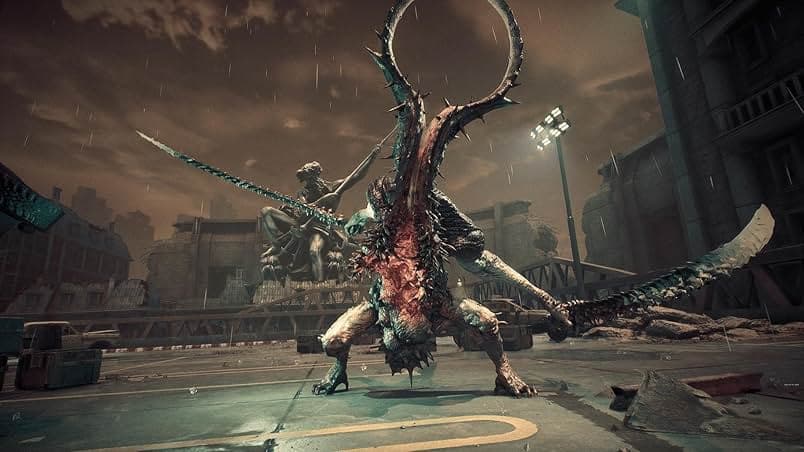
- Combat clarity: cleaner tells on late-game enemy chains, more readable lock-on behavior, and camera tweaks in tight arenas.
- Build depth: gear and skills that meaningfully change your approach, not just add damage. Let us tailor playstyles beyond perfect-dodge and parry loops.
- Side content that matters: fewer fetch errands, more bespoke encounters—think curated challenge rooms or boss remixes with unique rewards.
- Accessibility and flexibility: granular difficulty options, input remapping parity across platforms, and training tools that teach advanced tech without YouTube homework.
Stellar Blade already nails the fundamentals—responsive action, stylish finishers, and a confident visual identity. If the sequel tightens feedback loops and deepens progression, it could punch in the same weight class as Bayonetta and Devil May Cry while keeping its own flavor.
Industry Context: Korea’s AAA Moment
Shift Up isn’t a one-hit studio. Beyond Stellar Blade, they’ve teased another Unreal Engine 5 project (formerly “Project Witches,” now “Project Spirits”). Couple that with the broader rise of Korean action development—see Lies of P’s breakout—and you can feel the momentum. These teams are targeting polished combat, high-end production values, and global appeal. The risk is stretching too thin: growing a franchise while building a new IP can slow timelines and dilute focus. If the sequel really is pushing for a larger world and cross-platform ambitions, a 2027 window sounds realistic.
The Gamer’s Perspective: What Will Make or Break It
For me, the sequel hinges on two decisions. One: platform strategy. If Shift Up embraces simultaneous PS5/PC—and maybe whatever Nintendo is cooking—player trust goes up and communities don’t fracture. Two: design restraint. Resist bloat. Keep the kinetic edge of Stellar Blade’s combat, then build systems that reward mastery without gatekeeping. Deliver a campaign with momentum, make side quests feel intentional, and give the endgame legs with boss variants and leaderboard-friendly challenge modes.

Looking Ahead
Shift Up sounds confident, and the sales back them up. The sequel’s promise of a bigger world and refined gameplay is the right pitch—but execution will define whether Stellar Blade becomes a tentpole franchise or a one-hot-wonder. Keep an eye on how the studio talks about platforms over the next year; that will tell you almost everything about their ambitions.
TL;DR
Stellar Blade’s sequel is officially in development, aiming for a larger world and tighter gameplay after crossing 3M sales with help from a strong PC launch. Rumors suggest the original could hit Switch 2, which would be a technical stress test. Expect a longer wait—likely around 2027—and watch platform announcements to see how big Shift Up really plans to go.