

Is Stellar Reach the Stellaris Killer We’ve Been Waiting For?
Game intel
Stellar Reach
Stellar Reach is a 4X sci-fi strategy game where you control a faction vying for dominance across a hostile galactic frontier. Guide your empire through conque…
When a Solo Dev Takes on a Titan: Introducing Stellar Reach
When I first heard about Stellar Reach, I’ll admit I raised an eyebrow. A one-man team—James Miller, ex-Creative Assembly and Ubisoft—daring to challenge Paradox Interactive’s juggernaut Stellaris? That’s bold. Slated for October 8, this new 4X grand strategy promises a “real-scale” universe map, six interlocking tech trees, and multiple paths to victory. After years of Stellaris dominance, Stellar Reach could be the shot of adrenaline the genre desperately needs.
Developer Background: From Total War to Deep Space
James Miller isn’t a random bedroom coder. He cut his teeth at Creative Assembly, contributing to the Total War series’ epic scale, and later at Ubisoft, where he learned the art of player-driven narrative. Tackling every role—from engine programming to UI design—he’s poured over a decade into Stellar Reach. That solo ambition carries both risk and promise: risk of uneven polish, but promise of a singular vision unhampered by committee.
Real-Scale Universe Map: Charting the Cosmos for Real
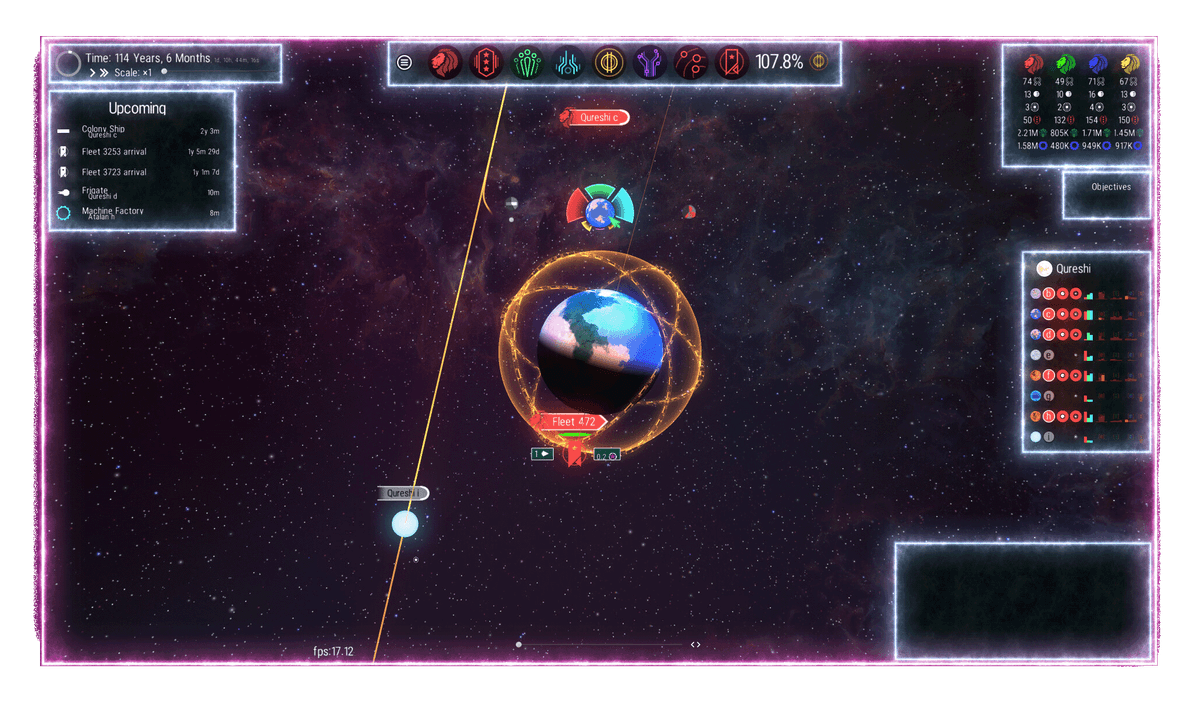
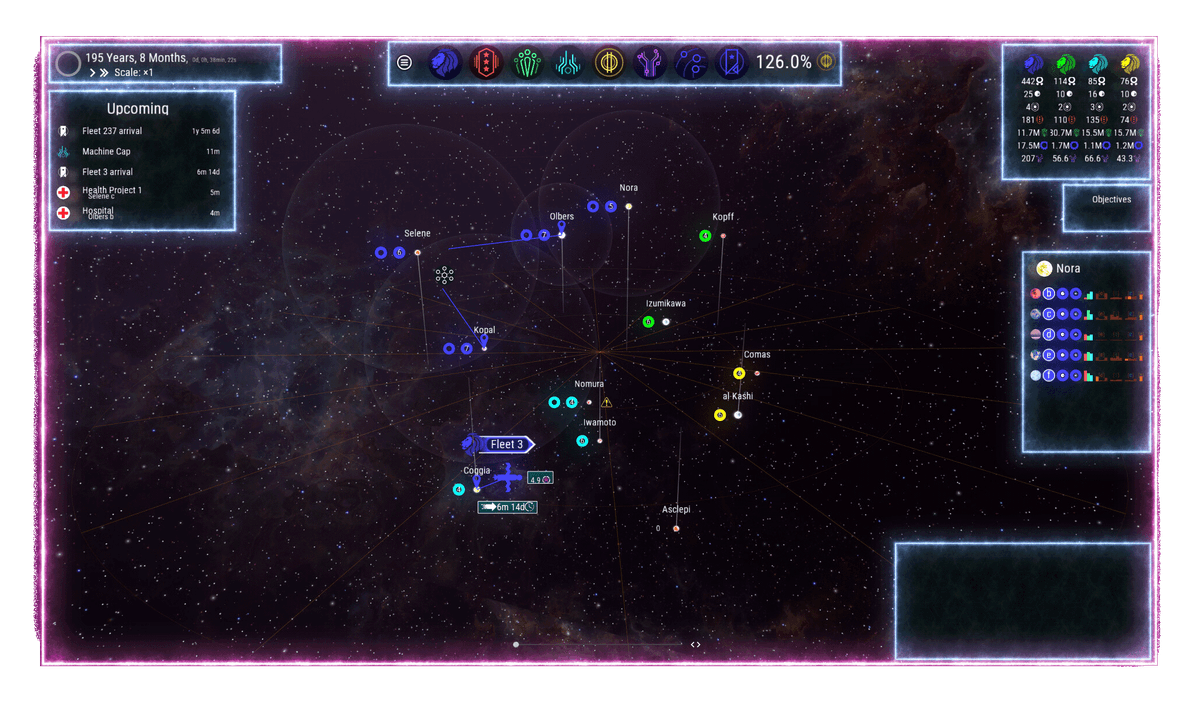
Most space 4X games give you a stylized galaxy painting. Stellar Reach aims for authenticity, mapping thousands of real star systems at correct relative distances. Early impressions call it “overwhelmingly” vast, turning routine expeditions into high-stakes logistical puzzles. Deciding whether to send a lone scout or assemble a fleet becomes a genuine strategy question—one that recalls the tense planning of the original Sins of a Solar Empire campaigns.
Six Intertwined Tech Trees: Building Synergy, Not Single-Track Power
Dumping all research into one branch is so last decade. Stellar Reach’s six trees—military, economic, exploration, diplomacy, ecology, and physics—overlap in ways that reward hybrid strategies. Discovering a breakthrough in ecology might unlock an economic bonus, while diplomatic advances could enhance fleet endurance. This design combats the “one true build” meta, pushing players to adapt on the fly rather than chase a single overpowered path.
Victory Conditions: From Prosperity to Conquest
Forget the old “destroy or be destroyed” mantra. In Stellar Reach, you can win through military might, economic supremacy, or a new “prosperity” victory that ties empire-wide wealth and influence. Economic wins hinge on trade networks and resource monopolies, recalling Civilization’s cultural victories but with an interstellar twist. This trio of goals reshapes the endgame, enticing players to experiment and keep each campaign feeling fresh.
Solo Dev Scale: Calculated Ambition with Caveats
One-person projects often stumble under their own weight—feature creep, bugs, missing polish. Starsector’s protracted development is a cautionary tale. But Miller’s industry background and a decade of iterative refinement suggest he’s aware of those pitfalls. Still, early backer feedback hints at occasional UI quirks and balancing hiccups. If he can iron those out before launch, Stellar Reach could land as a surprisingly refined solo-development triumph.
Shadowboxing with Stellaris: A New Alternative
Paradox keeps Stellaris on life support with frequent DLC and patch cycles, but some fans argue it’s trapped in perpetual early access. Stellar Reach arrives as a complete package, no need to buy into months of add-ons. It promises systemic depth from day one—meaning tech synergies, dynamic events, and tactical combat all baked in. If Miller delivers on stability and depth, players might finally have a reason to switch allegiances.
Conclusion: A High-Stakes Gamble Worth Watching
Stellar Reach might not topple Stellaris right out of the gate, but its audacious scope and solo-dev story make it one of the most intriguing strategy releases of the year. For 4X veterans yearning for fresh mechanics—realistic star maps, intertwined tech progressions, and diverse victory tracks—this October could mark a turning point. I’m ready to see if James Miller’s gamble pays off and gives the 4X cosmos a challenger worthy of the throne.